
Raised beds have become one of the most popular gardening methods for homeowners because they improve drainage, reduce soil compaction, make planting easier, and often produce healthier crops. Whether you grow vegetables, herbs, flowers, or berries, raised beds can dramatically improve your gardening success.
Unfortunately, raised beds are just as attractive to wildlife as they are to gardeners.
Many animals quickly discover that raised beds provide easy access to fresh vegetables, tender seedlings, bulbs, fruit, and soft soil. Unlike traditional garden plots, raised beds often concentrate plants into smaller spaces, making them even more appealing to hungry animals.
A single rabbit can destroy a newly planted lettuce bed overnight. Squirrels and chipmunks frequently dig up seeds and bulbs. Deer can strip leaves from vegetables and flowers in just a few minutes. Raccoons are known for flattening raised beds while searching for food.
At GardeningLovy, we have found that the most successful gardeners focus on prevention rather than waiting until damage appears. Once animals identify your raised beds as a reliable food source, they often return repeatedly.
The good news is that there are many natural ways to keep animals out of raised beds without harming wildlife or relying on harsh chemicals. Most successful gardens use a combination of physical barriers, natural repellents, companion planting, and good garden management practices.
Quick Answer
The best natural ways to keep animals out of raised beds include hardware cloth, fencing, raised bed covers, garden netting, companion planting, garlic sprays, pepper repellents, motion-activated sprinklers, and removing food sources. Combining physical barriers with natural deterrents provides the most effective long-term protection against rabbits, squirrels, chipmunks, deer, raccoons, and other garden pests.

Why Animals Love Raised Beds
Animals visit raised beds for the same reasons humans enjoy them.
Common Raised Bed Attractions
| Attraction | Animals Attracted |
|---|---|
| Fresh vegetables | Rabbits, deer |
| Seeds | Birds, squirrels |
| Flower bulbs | Chipmunks, squirrels |
| Soft soil | Squirrels, raccoons |
| Fruit | Birds, raccoons |
| Water sources | Most wildlife |
| Shelter nearby | Rabbits, rodents |
Freshly planted beds are especially attractive because the loose soil makes digging easy.

Animals Most Likely To Damage Raised Beds
| Animal | Common Damage |
|---|---|
| Rabbits | Eat leafy vegetables and seedlings |
| Deer | Browse vegetables, flowers, herbs |
| Squirrels | Dig seeds and bulbs |
| Chipmunks | Remove bulbs and seeds |
| Raccoons | Dig and flatten plants |
| Birds | Eat seedlings and berries |
| Groundhogs | Consume vegetables |
| Voles | Damage roots underground |
Understanding which animal is causing damage helps you choose the right solution.
Signs Animals Are Targeting Your Raised Beds
Watch for:
- Fresh digging
- Missing seedlings
- Bite marks on leaves
- Tracks in soil
- Animal droppings
- Flattened plants
- Missing fruit
The earlier you identify the problem, the easier it becomes to manage.
Why Prevention Is Better Than Treatment
One of the biggest mistakes gardeners make is waiting until damage appears before taking action.
Animals learn quickly.
If rabbits, squirrels, or raccoons discover a reliable food source in your raised beds, they are likely to return repeatedly.
At GardeningLovy, we have found that installing barriers and deterrents before planting season usually produces far better results than trying to stop established animal habits later.
This is especially true for deer, squirrels, and chipmunks.

1. Install Hardware Cloth Under Raised Beds
One of the most effective raised bed protection methods is installing hardware cloth beneath the bed.
Benefits include:
- Prevents rodents from entering from below
- Protects roots and bulbs
- Long-lasting solution
- Requires little maintenance
If you are building new raised beds, install hardware cloth before adding soil.
At GardeningLovy, we consider this one of the best investments for long-term pest prevention.
2. Add Raised Bed Fencing
Fencing remains one of the most reliable natural ways to keep animals out of raised beds.
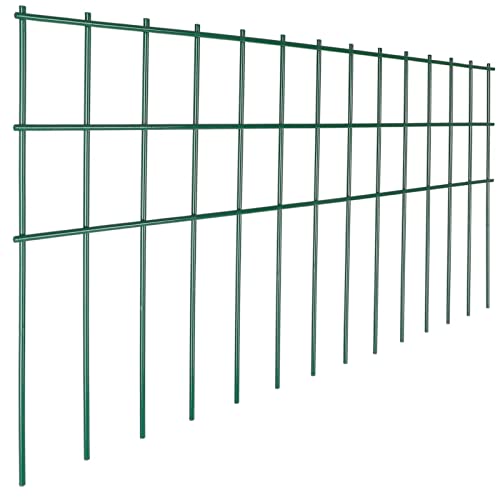
Recommended Fence Heights
| Animal | Recommended Height |
|---|---|
| Rabbits | 2 feet |
| Groundhogs | 3 feet |
| Deer | 7–8 feet |
For rabbits and groundhogs, bury several inches of fencing underground to prevent digging.
3. Use Garden Netting
Garden netting is excellent for protecting:
- Strawberries
- Blueberries
- Lettuce
- Leafy greens
- Seedlings
Netting helps reduce damage from birds, squirrels, and larger animals while still allowing sunlight and airflow.

4. Install Raised Bed Covers
Raised bed covers provide year-round protection.
Popular options include:
- Hoop tunnels
- Mesh covers
- Insect netting
- Hardware cloth covers
These structures protect crops while maintaining easy access for maintenance.
5. Apply Homemade Garlic Spray
Many animals dislike strong odors.
Garlic Spray Recipe
Ingredients:
- 2 garlic bulbs
- 1 liter water
- Few drops mild soap
Blend garlic with water, strain, and spray around raised bed borders.
Garlic sprays may help discourage:
- Rabbits
- Deer
- Chipmunks
- Squirrels
Reapply after heavy rain.
6. Use Pepper-Based Repellents
Pepper sprays remain one of the most common homemade animal repellents.
Basic Pepper Spray
- 2 tablespoons cayenne pepper
- 1 liter water
- Small amount liquid soap
Spray around the outside of raised beds.
Many gardeners use pepper sprays to discourage:
- Rabbits
- Squirrels
- Chipmunks
Always test homemade sprays carefully before widespread use.
7. Plant Companion Plants Around Raised Beds
Companion planting provides another layer of protection.
Plants That May Help Repel Animals
| Plant | Animal Repelled |
|---|---|
| Lavender | Deer |
| Rosemary | Rabbits |
| Mint | Rodents |
| Marigolds | Rabbits |
| Garlic | Multiple pests |
| Alliums | Deer and squirrels |
Companion plants work best when combined with other deterrents.
8. Remove Nearby Food Sources
Many wildlife problems begin outside the garden.
Common attractants include:
- Birdseed
- Pet food
- Fallen fruit
- Compost scraps
- Nuts and acorns
Reducing available food often decreases animal activity around raised beds.
9. Install Motion Activated Sprinklers
One of the most effective natural ways to keep animals out of raised beds is using motion-activated sprinklers.
Unlike sprays, these devices surprise animals with a sudden burst of water.
They work especially well against:
- Deer
- Rabbits
- Raccoons
- Groundhogs
- Squirrels
Many gardeners notice results within a few days because animals quickly learn to avoid the area.
Benefits include:
- Chemical-free
- Humane
- Easy to install
- Works day and night
- Covers large areas
For large raised bed gardens, this is one of the best long-term investments.
10. Add Reflective Deterrents
Animals often dislike sudden flashes of light and movement.
Try using:
- Reflective tape
- Old CDs
- Garden pinwheels
- Metallic streamers
- Reflective garden stakes
These deterrents work best when moved occasionally so animals do not become accustomed to them.
This method is particularly useful for:
- Birds
- Deer
- Rabbits
11. Protect Newly Planted Seeds
Freshly planted seeds are extremely attractive to wildlife.
Animals commonly target:
- Corn
- Beans
- Peas
- Sunflowers
- Pumpkins
Seed Protection Methods
| Method | Effectiveness |
|---|---|
| Mesh Covers | High |
| Row Covers | High |
| Netting | Medium |
| Hardware Cloth | Very High |
Protect seeds until seedlings become established.
12. Use Mulch Correctly
Mulch helps conserve moisture and improve soil health, but improper mulching can create hiding places for pests.
Best Mulch Practices
- Use moderate mulch depth
- Avoid thick piles near plants
- Inspect mulch regularly
- Remove debris buildup
Benefits include:
- Moisture retention
- Weed suppression
- Soil temperature control
- Reduced soil disturbance visibility
Freshly disturbed soil often attracts squirrels and chipmunks. Mulch helps conceal planting areas.
13. Harvest Fruits And Vegetables Promptly
Overripe produce acts like a magnet for wildlife.
Animals are attracted to:
- Tomatoes
- Strawberries
- Melons
- Corn
- Cucumbers
Frequent harvesting reduces the food reward that encourages animals to return.
At GardeningLovy, we have noticed that gardens with regular harvesting experience fewer recurring wildlife visits.
14. Keep Raised Beds Clean
A clean garden is often a less attractive garden.
Remove:
- Dead plants
- Fallen vegetables
- Rotten fruit
- Excess weeds
- Old mulch piles
Clean gardens make it harder for animals to find food and shelter.
15. Use Animal Resistant Plants
Certain plants are naturally less appealing to wildlife.
Animal Resistant Plants
| Plant | Animals Commonly Discouraged |
|---|---|
| Lavender | Deer |
| Rosemary | Rabbits |
| Sage | Deer |
| Alliums | Squirrels |
| Garlic | Multiple animals |
| Mint | Rodents |
Mixing these plants around raised beds can create a natural protective border.
16. Monitor Animal Activity Weekly
Regular inspections help prevent major damage.
Look for:
- Tracks
- Burrows
- Droppings
- Bite marks
- Digging activity
Early intervention is one of the most effective forms of garden animal control.
Common Animal Signs
| Sign | Likely Animal |
|---|---|
| Clean-cut plant stems | Rabbits |
| Large torn leaves | Deer |
| Fresh digging | Squirrels |
| Burrows | Chipmunks or voles |
| Flattened plants | Raccoons |
17. Combine Multiple Protection Methods
The biggest mistake gardeners make is relying on one solution.
The most successful raised bed gardens typically combine:
- Hardware cloth
- Raised bed fencing
- Garlic sprays
- Companion plants
- Motion sprinklers
- Garden netting
Using multiple layers of protection makes your garden much less attractive to wildlife.
Best Raised Bed Protection Methods Comparison
| Method | Cost | Difficulty | Effectiveness |
|---|---|---|---|
| Hardware Cloth | Medium | Easy | Very High |
| Fencing | Medium | Medium | Very High |
| Motion Sprinklers | Medium | Easy | Very High |
| Netting | Low | Easy | High |
| Raised Bed Covers | Medium | Easy | High |
| Garlic Spray | Low | Easy | Medium |
| Pepper Spray | Low | Easy | Medium |
| Companion Plants | Low | Easy | Medium |
Best Solutions By Animal
How To Keep Rabbits Out Of Raised Beds
Best options:
- Fencing
- Garlic spray
- Raised bed covers
- Rosemary plantings
How To Keep Deer Out Of Raised Beds
Best options:
- Tall fencing
- Motion sprinklers
- Lavender plantings
- Garlic repellents
How To Keep Squirrels Out Of Raised Beds
Best options:
- Hardware cloth
- Netting
- Mulch
- Garlic sprays
How To Keep Chipmunks Out Of Raised Beds
Best options:
- Hardware cloth
- Food source removal
- Raised bed covers
- Peppermint-based deterrents
How To Keep Raccoons Out Of Raised Beds
Best options:
- Motion sprinklers
- Raised bed fencing
- Harvesting promptly
- Removing food sources
Common Mistakes Gardeners Make
Using Only Repellents
Repellents can help, but barriers usually provide better protection.
Ignoring Food Sources
Birdseed, compost, and fallen fruit often attract animals.
Waiting Too Long To Act
Small problems become larger problems quickly.
Leaving Raised Beds Uncovered
Newly planted beds are highly attractive to wildlife.
Forgetting To Reapply Sprays
Rain can reduce the effectiveness of homemade repellents.
Expert Tip From GardeningLovy
In our experience, gardeners often rely too heavily on sprays while overlooking physical barriers. Although garlic sprays and pepper repellents can help, hardware cloth, raised bed covers, and fencing consistently provide better long-term results.
The most successful raised bed gardens usually combine:
- Physical barriers
- Companion plants
- Natural repellents
- Regular monitoring
This layered strategy creates multiple obstacles that discourage animals from returning.
Raised Bed Protection Checklist
- Install hardware cloth
- Add fencing if needed
- Use raised bed covers
- Remove nearby food sources
- Harvest produce regularly
- Monitor for animal activity
- Apply repellents when necessary
- Plant companion plants
- Keep beds clean
- Inspect weekly
Related Posts
Frequently Asked Questions
What animal causes the most damage to raised beds?
Rabbits, deer, squirrels, and raccoons are among the most common animals responsible for raised bed damage.
How do I stop squirrels from digging in raised beds?
Use hardware cloth, mulch, netting, and garlic-based repellents.
Do coffee grounds keep animals away?
Coffee grounds may discourage some animals temporarily but work best when combined with barriers.
Are raised beds safer from pests?
Raised beds reduce some problems but still require protection from wildlife.
What is the best fence for raised beds?
Wire fencing is often the most effective option for rabbits, deer, and groundhogs.
Do motion sprinklers really work?
Yes. Many gardeners report significant reductions in wildlife activity after installing motion-activated sprinklers.
What plants help repel animals naturally?
Lavender, rosemary, garlic, mint, sage, and alliums are commonly used as natural deterrents.
How often should I inspect raised beds?
Weekly inspections are usually sufficient during the growing season.
Will netting protect vegetables?
Yes. Garden netting can protect vegetables from birds, squirrels, rabbits, and other pests.
What is the best overall protection method?
Combining hardware cloth, fencing, and regular monitoring typically produces the best long-term results.
Our Experience At GardeningLovy
Over the years, we have worked with many gardeners struggling to protect raised beds from wildlife. The most successful gardens almost always use multiple layers of protection rather than relying on a single product.
In our experience, hardware cloth, raised bed covers, and motion sprinklers consistently outperform sprays alone. While garlic and pepper repellents can help reduce activity, physical barriers remain the most reliable solution for long-term success.
We have also noticed that gardeners who remove food sources and monitor beds regularly tend to experience far fewer problems than those who only react after damage appears.
Conclusion
Using natural ways to keep animals out of raised beds is one of the best ways to protect your vegetables, herbs, flowers, and fruit while maintaining a healthy garden ecosystem.
Animals such as rabbits, deer, squirrels, chipmunks, raccoons, and birds are often attracted to raised beds because they provide easy access to food and shelter. Fortunately, there are many effective solutions available.
By combining hardware cloth, fencing, raised bed covers, companion planting, natural repellents, motion sprinklers, and regular garden maintenance, you can significantly reduce wildlife damage and enjoy a healthier, more productive garden.
The most successful raised bed gardens focus on prevention first and use multiple protection strategies together. With the right approach, you can keep animals out naturally while still creating a welcoming outdoor space.

I am an enthusiast who loves plants very much and I do a lot of research online as well as outside in gardens and nurseries. I also strive to be as accurate as possible in my research and my articles. I have been involved in gardening for a long time and truly enjoy it. Know more about me About. You can also join me Here.