
Learn how to fix the most common pond lotus problems including overgrowth, algae control, and pest management for healthier blooms all season.
Pond lotus are incredibly rewarding to grow, but like all aquatic plants, they come with a few challenges. Over time, you might notice your pond becoming crowded with leaves, water turning green with algae, or pests damaging those perfect petals.
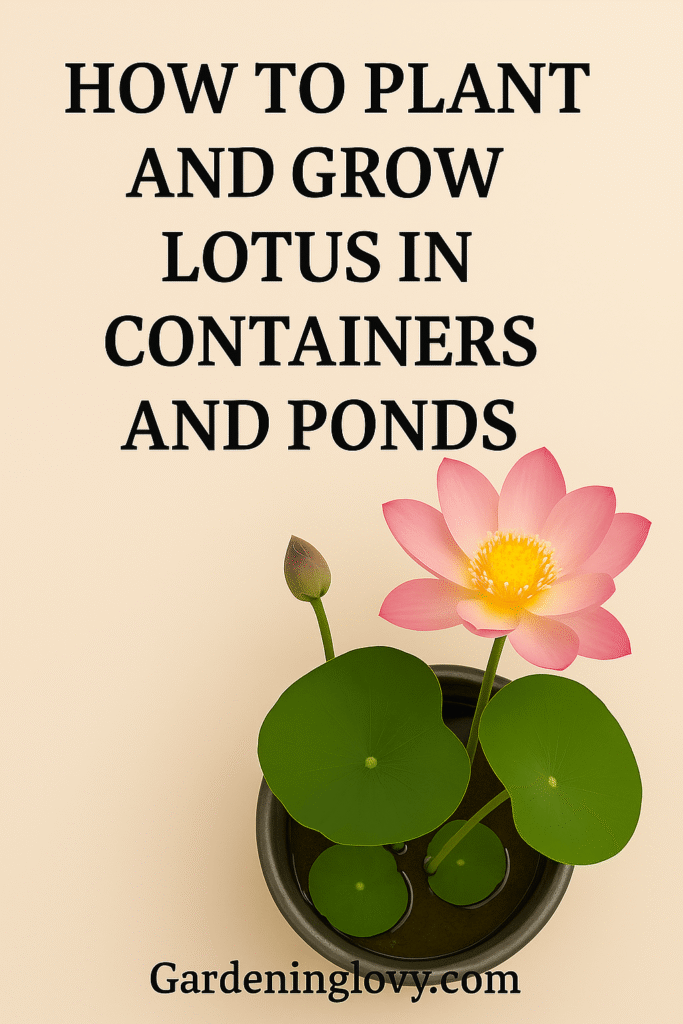
The good news is that every lotus problem has an easy fix when you understand what’s causing it.
In this guide, you’ll learn practical solutions for maintaining balance in your pond keeping your lotus healthy, your water clear, and your garden thriving.
Quick Answer
Pond lotus problems like overgrowth, algae, and pests happen due to excess nutrients, poor water balance, and lack of maintenance. Fix them by pruning regularly, controlling nutrients, adding oxygenating plants, and using natural pest control methods.
Understanding Lotus Maintenance Needs
Why Pond Lotus Problems Happen (And Why Most Gardeners Struggle)
Pond lotus plants are stunning—but they grow aggressively and can quickly disrupt pond balance if not maintained properly.
Lotus plants grow quickly during the warm months, spreading their rhizomes and producing large leaves that can take over small ponds.
Without proper care, you’ll start noticing:
- Green, murky water
- No flowers or weak blooms
- Leaves turning yellow or rotting
- Pest damage on leaves
The key is understanding that lotus care is not about control—it’s about balance.
Signs Your Lotus Pond Needs Immediate Attention
If you see any of these, act fast:
- Water turning green or cloudy
- Too many floating leaves (blocked sunlight)
- No blooming during peak season
- Visible insects or leaf damage
- Foul smell from water
Regular observation is key to preventing major issues.
Common Pond Lotus Problems & Expert Fixes
1. Lotus Overgrowth (Biggest Mistake Gardeners Make)
Why It Happens
Lotus spread rapidly through underground rhizomes and can overcrowd your pond.
Problems Caused
- Blocks sunlight
- Reduces oxygen levels
- Increases algae growth
How to Fix It (Pro Method)
- Trim yellow/damaged leaves regularly
- Keep surface coverage at 50–60% max
- Divide tubers every 2–3 years
Best Tools for Easy Maintenance
- Long-handle aquatic scissors
- Pond skimmer net
Recommended tools:
2. Algae Growth in Lotus Ponds (Water Turning Green)
Why Algae Appears
Algae thrives when:
- Sunlight is high
- Nutrients are excessive
- Water is stagnant
Quick Natural Fixes
| Solution | How It Helps |
|---|---|
| Shade from lotus leaves | Blocks sunlight |
| Add oxygen plants | Like hornwort or anacharis to compete with algae. with algae |
| Barley extract | Natural algae control |
For Severe Algae Problems
- Use UV clarifier
- Install pond filter system
Try: OASE Vitronic 18W UV Pond Clarifier
👉 Also read: improve soil drainage naturally
Recommended product: Microbe-Lift Barley Straw Extract for Ponds
Preventing Future Algae Growth
- Avoid overfeeding fish if you have them.
- Clean fallen debris regularly.
- Do partial water changes monthly (about 20%).
3. Nutrient Overload (Hidden Cause of Most Problems)
Too many nutrients = fast lotus growth + algae explosion.
Causes:
- Fish waste
- Overfeeding fish
- Decaying leaves
Fix:
- Remove debris weekly
- Do 20% monthly water change
- Add beneficial bacteria
👉 Also read: best organic fertilizers for plants
4. Dealing with Pests on Lotus
Common Lotus Pests
Lotus plants attract several small insects, especially during hot months.
- Aphids: Cluster under leaves and suck sap.
- Leaf Miners: Create brown trails on leaves.
- Snails: Chew holes in leaves.
- Spider Mites: Cause speckled or dry leaf surfaces.
Safe Organic Pest Control Methods
- Rinse Leaves: Spray affected areas with clean water using a garden sprayer.
- Neem Oil Solution: Mix mild neem oil and water to control aphids and mites.
- Manual Removal: Use pond tweezers or nets to remove snails.
Recommended products:
Introducing Beneficial Helpers
Add natural pest predators like ladybugs or dragonflies to restore balance. They feed on aphids and larvae while keeping your pond ecosystem healthy.
5. Keeping Pond Water Balanced
Maintain Oxygen Flow
Healthy lotus need oxygen-rich water. Use a small air pump or solar fountain to keep circulation going without disturbing the roots.
Ideal Water Conditions
| Factor | Ideal Range |
|---|---|
| pH | 6.5 – 7.5 |
| Oxygen | High |
| Water clarity | Clear to slightly green |
- Suggested product: Eco-Worthy Solar Pond Aerator Pump Kit
- Recommended product: API Pond Master Test Kit
Fix It Fast
- Add aerator or fountain
- Use water test kit
- Maintain water circulation
👉 Also read: how to test soil pH at home
6. Best Maintenance Routine for Healthy Lotus (Expert Strategy)
Follow this simple weekly system:
Weekly:
- Remove dead leaves
- Check for pests
- Clean debris
Monthly:
- Change 20% water
- Add beneficial bacteria
- Check water quality
Seasonal:
| Season | Action |
|---|---|
| Spring | Divide & repot lotus |
| Summer | Monitor algae & pests |
| Fall | Trim dying leaves |
| Winter | Protect tubers |
Advanced Tip (What Most Blogs Don’t Tell You)
The biggest secret to healthy lotus ponds:
👉 Control nutrients, not plants
Most people:
- Cut leaves → problem returns
- Kill algae → it comes back
Experts:
- Balance nutrients → problems disappear naturally
- Lotus vs Water Lily
- Mini Lotus for Small Ponds
- Choosing the Right Lotus Varieties
- Grow Hardy Lotus in Cold Climates
- Grow Lotus in Pots and Water Gardens
FAQs
Why is my lotus not flowering?
Usually due to low sunlight, overcrowding, or excess nutrients.
How do I keep pond water clear naturally?
Use plants, reduce nutrients, and add natural solutions like barley extract.
Can lotus survive winter?
Yes, if tubers are kept in deep water or protected from freezing.
How often should I clean my lotus pond?
Light cleaning weekly and deep maintenance monthly works best.
Conclusion
Even the most beautiful lotus ponds need a little attention to stay healthy.
By managing overgrowth, controlling algae, and preventing pests naturally, you can enjoy crystal-clear water and vibrant blooms throughout the season.
Regular maintenance isn’t complicated it’s about keeping your pond balanced.
With small weekly care, your lotus will reward you with lush leaves, peaceful reflections, and endless beauty year after year.

I am an enthusiast who loves plants very much and I do a lot of research online as well as outside in gardens and nurseries. I also strive to be as accurate as possible in my research and my articles. I have been involved in gardening for a long time and truly enjoy it. Know more about me About. You can also join me Here.