
Lemongrass is a long stalkerish plant also known as Citronella. Natural lemon scent and citrus fragrance are present in lemongrass.
In the Thai preparation of food and bug repellants, lemongrass is a major item. The natural oil from Lemongrass is often used in aromatherapy for air refreshment, stress relief, and mood raising.
if you are looking for an answer on “How To Grow Lemongrass” at home, here you will get step-by-step trips. The suitable time to plant lemongrass is the spring. As it can die in winter, so best grown in full sunlight. You can grow lemongrass in pots as well as in the garden. While planting you can maintain 24 inches gap. Once planted you need to water them frequently until fully grown.
Quick Answer
Lemongrass is an easy-to-grow tropical herb that thrives in full sun, warm temperatures, moist well-drained soil, and regular watering. Whether you grow lemongrass in pots, garden beds, or containers indoors, most plants are ready for harvest within 4–6 months and can provide fresh stalks for cooking, tea, and natural pest control.

Why I Love Growing Lemongrass
I started growing lemongrass mainly for cooking, but it quickly became one of the easiest herbs in my garden.
Unlike many herbs that struggle during hot summers, lemongrass seems to thrive when temperatures rise. Once established, a single plant can provide enough stalks for soups, teas, stir-fries, and homemade mosquito repellents.
One thing I especially appreciate is how forgiving the plant is. Even beginner gardeners can grow impressive clumps with very little effort.
“If you can grow grass, you can usually grow lemongrass.”
Is Lemongrass Easy To Grow?
Lemongrass is often found in Australia, Asia, Africa, and various tropical regions. Lemongrass is being used as cosmetics, soap, and topical fragrance in production. In the production of vitamin A and natural citrus fruits, lemongrass is also used.
LEMONGRASS is indeed among the simplest plants to cultivate while protecting it from cold weather. It gives the kitchen a lovely, luminous fragrance and smell and a lovely garden.
Lemongrass develops from the same core as a bunch and many stalks. This plant may be cultivated by vine, seed, or segment. As it is from the tropics, lemongrass grows in hot regions only as a lifelong outdoor plant.
What Are The Varieties Of Lemongrass?
If individuals are talking lemongrass, a variety of various species may be referred to. These varieties of species include-
- Eastern lemongrass (Cymbopogon flexuosus).
- Western lemongrass (Cymbopogon citratus).
These two types of lemongrass have sweet citrus fragrances. Both varieties of lemongrass are utilized for cooking purposes. Cymbopogon nardus and Cymbopogon winterianus are both closely related species.
Both are citronella grass varieties that can prevent plagues from spreading in the garden, and therefore are not usually seen in the kitchen. Their perfume is grassier and more intense than lemongrass.
Lemongrass Growing Requirements At A Glance
| Requirement | Ideal Condition |
|---|---|
| Sunlight | 6–8 Hours Daily |
| Soil pH | 6.0–7.5 |
| Watering | Consistently Moist |
| Temperature | 70–95°F |
| Fertilizer | Every 4–6 Weeks |
| Harvest Time | 4–6 Months |
When Is The Best Time To Plant Lemongrass?

This medicinal herb may be grown by planting, cuttings, or splitting. Begin in spring if you plan to replicate the seed of lemongrass. When planting seed directly, it is ideal to wait for all the dangers in winter to pass.
When you start lemongrass seeds inside seedlings or pots, lemon grass seeds are planted a month before the last date of expected frost or winter season. Cuttings from a mature lemongrass plant can be embedded for future planting.
It is in the spring where we can better divide mature plants like lemongrass.
How Long Does Lemongrass Take To Grow?
Growing lemongrass plants are incredibly straightforward. If the plants are grown, they will spread themselves, and by the existing stalks, new plants will begin to develop.
- In around 4-6 months Lemongrass can become a heavy shrub and be prepped to be harvested.
- If you begin lemongrass plants out of the seed, 75-100 days after the seed is sown they will be ready for harvest.
- When you end up leaving the plants behind, they flourish and display ornamental appeal in the garden season-round in warm climates without cutting off their crop.
How To Grow Lemongrass At Home
As established, lemongrass plants originate from the tropics, it only survives in areas with plant toughness between 10 and 11. If you reside in an area with plant toughness below 9, you can plant lemongrass in the winter for good.
If the enclosed seed in seedlings or pots is begun, sow seed a month prior to your last expected frost date. Growing lemongrass in pots, you will need to get a pot that is a foot wide and has a depth of one foot.
Load the pots and sow the seeds six inches apart with nutrient thick soil. When young plants are a few inches tall, you can decide to separate the plants.
Maintain the soil moisture but do not let it get waterlogged. Spray the leaves for moisture in a tropical season.
How To Grow Lemongrass From Stalk
For growing Lemongrass From Stalk, extract cuttings from mature lemongrass may be cultivated.
- To get a cut, trim the tree smoothly from the soil with a knife. This allows the remaining stalk to replenish.
- Remove the top section of the stalk, only leaving 3 to 4 inches from the lower part.
- Cut the leaves off and utilize them in your kitchen, make sure you have a decent 3-4 inch stalk to ensure the root forming is effective.
- Then place the plant in a pot of water with the stalk’s root immersed to root the chopping. Check the water every day.
How To Grow Lemongrass From Seeds
Commence in the spring, if you would like to cultivate lemongrass from seed. Sit tight for all risk of frost to steer away before growing lemongrass from seed.
- Plant 6 centimeters separate seeds.
- Choose a healthy, well-soaked spot, rich in direct sunlight and nitrogen.
- Just sprinkle the soil over all the seeds, and they require a lot of sunlight to sprout.
- Shrubs can require up to 3 weeks, during that time, you must ensure the soil stays damped.
- After just a few inches tall, small single plants are separated into 2 feet. The seedlings you cut can be transplanted to another place you like.
How To Grow Lemongrass From Leaves
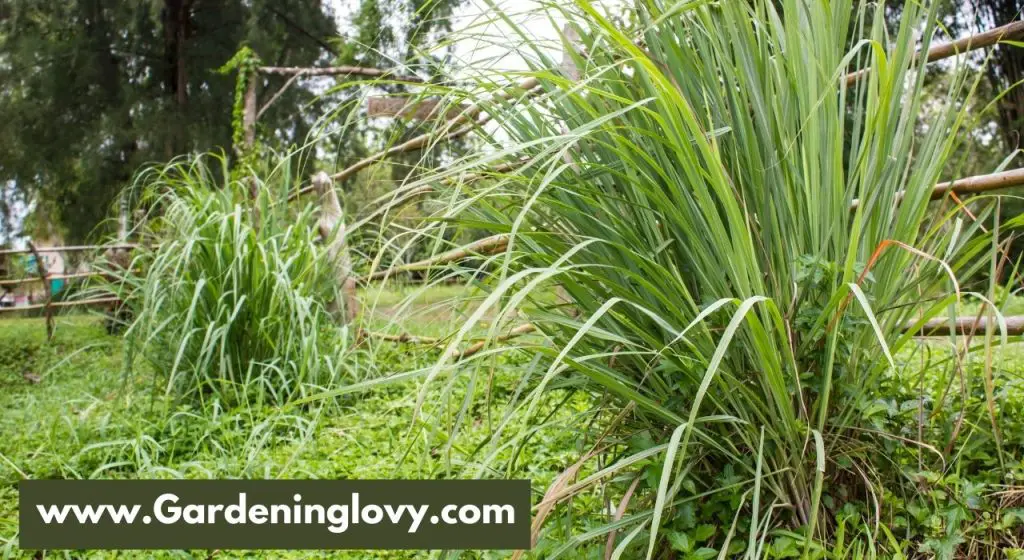
For Grow Lemongrass From Leaves rip an outer stem out in late summer, trim the leaves to 8 cm (3 inches) and cultivate it into a small pot.
Plant the leaves in a sunny spot over winter with just a limited quantity of water and start planting the plant in the next spring outside.
To split lemongrass, a number of twigs from the main pile must be gently separated.
One method is to grab and drag a leaf tightly until it splits from the entire plant.
When the roots are very distorted and intertwined, you will have to use a blade to divide them carefully to hold those roots for replanting on every stalk of the plant.
How To Grow Lemongrass Indoors
LEMONGRASS is a sensitive, perennial plant, which means that in colder regions it can die.
When lemongrass has been planted, it requires less attention. It is a stress-free plant to cultivate. So this is the best plant to grow indoors.
The best approach is to grow lemongrass in pots for indoor planting. This enables you to bring your containers indoors as frost attempts to set them against collapsing temperatures.
Both in the soil or in pots, lemongrass demands sun exposure and well-drained, damp soil rich in nutrients. Find below top picks for you on pots for indoor planting.
No products found.
benefits of growing lemongrass indoors
Growing lemongrass indoors offers several benefits:
- Year-Round Growth: Indoors, you can maintain a controlled environment that allows lemongrass to thrive year-round, regardless of outdoor weather conditions.
- Pest Control: Lemongrass is a natural mosquito repellent due to its citronella content, which can help keep your indoor space free from mosquitoes and other pests.
- Easy Access: Having lemongrass indoors means you have easy access to fresh leaves for cooking, tea, or medicinal purposes whenever you need them.
- Air Purification: Lemongrass can help improve indoor air quality by releasing oxygen and absorbing toxins.
- Aesthetic Appeal: Lemongrass adds a touch of greenery and a tropical feel to your indoor space, enhancing the overall aesthetic.
- Aromatic Benefits: The pleasant, lemony fragrance of lemongrass can freshen up your home and provide a calming, uplifting atmosphere.
- Health Benefits: Indoor-grown lemongrass retains its medicinal properties, such as aiding digestion, reducing inflammation, and boosting immunity, making it a convenient addition to your home remedy arsenal.
How To Grow Lemongrass From Supermarket
To Grow Lemongrass From Supermarket– Begin with brand new lemongrass and the whole stalk untouched.
Cut off some aged, yellowing leaves. Cut the rigid top leaves off, to begin with, where they begin to break up.
Put the stem of lemongrass in the water. Switch the water a few days a week and you can see fresh leaves growing from above within a week.
How To Grow Lemongrass In Pots?

GROWING lemongrass is so quick and easy that the rooted plant is removed from the water, placed within a pot of all-nutrient soil, and contained under the ground.
- Place the pot on your window or out on your porch in a dark, sunny area. On a regular basis, you must water the potted lemongrass plant.
- Give a constant moisture supply for the proper growth of lemongrass in pots. Do not allow the plant’s roots to drought out.
- It enhances your lemon herbs’ health and nutrition environment by nourishing the useful organisms in the soil and your plants, which leads to good, rapid development.
How To Grow Lemongrass From Cuttings
For future cultivation, cuttings from older lemongrass plants may be planted.
- Split the stalk smoothly from the plant, you can do that with a knife to make a smooth trim.
- Slice off the top section of the stalk and leave just a 3 to 4-inch bottom.
- After that, put it in a pot of water and put the stalk base into it, to root the slicing.
- Day after day, adjust the water. In less than a week, the plant will start to grow roots.
- The roots are sufficiently wide to sustain the plant at two to three weeks.
Growing Lemongrass From Seed
Companion planting can improve garden health.
Basil
Shares similar growing requirements.
Mint
Creates a fragrant herb garden.
Marigolds
Help deter garden pests.
Peppers
Enjoy warm growing conditions.
Tomatoes
Benefit from nearby pest-repelling herbs.
Avoid planting lemongrass too close to small herbs that may become overcrowded.
How To Care For A Grown Lemongrass Plant
As we have discussed a Lemongrass plant is the less maintenance plant , with little care it can grow well. Lets find few tips to grow and care Lemongrass plant.
- Give lemongrass plants enough space to expand. You can protect the plant against frost and icy conditions by taking them inside your home.
- Retain the soil moisture but not fully waterlogged and you should damp the leaves in dry regions for moisture.
- Water whenever the soil is dried to one inch under the soil, whether you grow it in pots.
- When the leaves are about a foot high they can be picked. To chop off what you like, utilize the use of a knife or a scissor.
- When cutting the stalks, try to ensure that the plant continues to grow, at least one inch down to the bottom.
Is Lemongrass Safe Around Pets?
If you share your home or garden with pets, it’s natural to wonder whether lemongrass is safe for dogs and cats. While many pet owners successfully grow lemongrass without issues, curious pets that chew large amounts of the plant may experience digestive discomfort. Before placing containers near pet play areas, it’s worth understanding the potential risks. Learn more in our guide on Is Lemongrass Safe For Dogs And Cats?
Common Diseases And Pests Associated With Lemongrass
A common fungal disease found in lemongrass is Rust. Rust has a scientific name, Puccinia nakanishikii.
Rust symptoms in lemongrass include light yellow stain on leaves; brown stripes on the base of the plant, dark brown pustules on the base of the foliage.
Encourage robust plant growth by the use of manures and fertilizer for growth stimulation.
To allow safe replantation, trim out infected plant parts; avoid aerial watering where possible.
Find other remedies to cure common gardening bugs below.
- How To Remove Tree Sap From Car Without Damaging Paint- [19] Ways
- Ants In Garden: [21 Cheap Ways] To Get Rid Of Ants In Garden Naturally
- How To Get Rid Of Powdery Mildew [15] Easy Yet Effective Ways
- How To Get Rid Of Mealybug Eggs In Soil [21 Affordable Ways]
- How To Control Thrips Within (24 Hrs) Naturally [Without Toxic Sprays]
How To Grow Lemongrass In Water
Put lemongrass plants in a container of one inch of water down on the base to allow your lemongrass stems to develop fresh roots. The water will take about 3 weeks to root lemongrass.
Over that period, fresh leaves are to emerge at the edge of the stems and new roots are to begin to sprinkle on the underside of the bulbs.
Check the water in the container daily or more to discourage fungal growth. Your roots should have been an inch (approximately 3.5 cm) deep, within 2 to 3 weeks.
Common Lemongrass Growing Mistakes
Growing In Too Much Shade
The most common reason for weak growth.
Letting Soil Dry Out Completely
Young plants need consistent moisture.
Overcrowding Plants
Maintain at least 24 inches spacing.
Using Small Containers
Lemongrass develops extensive root systems.
Leaving Plants Outdoors During Frost
Cold temperatures can kill plants quickly.
How To Harvest Lemongrass Properly
Many gardeners harvest incorrectly.
When To Harvest
Harvest once stalks are about ½ inch thick.
How To Harvest
Cut stalks at soil level using a sharp knife.
Which Stalks To Harvest
Always remove outer stalks first.
Leave The Center Growth
The center continues producing new shoots.
Getting The Most From Your Harvest
Knowing how to grow lemongrass is only half the journey. Harvesting the stalks correctly helps the plant continue producing fresh growth throughout the season. Proper storage is equally important if you want to preserve the flavor and fragrance for cooking, herbal teas, and homemade remedies. For detailed instructions, check out our guide on Harvest Lemongrass The Right Way + How To Keep It Fresh Longer.
These placements feel natural, improve internal linking, and keep visitors reading related content instead of looking like forced links.
How To Store Fresh Lemongrass
Refrigerator
Store for up to 2 weeks.
Freezer
Store chopped stalks for several months.
Drying
Suitable for tea and herbal blends.
Powdering
Great for seasoning blends.
How To Use Lemongrass In The Kitchen
- Thai Soups
- Curries
- Herbal Tea
- Stir Fries
- Marinades
- Seafood Dishes
Is Lemongrass Annual Or Perennial?
One of the most searched questions.
In USDA Zones 10–11, lemongrass is a perennial and returns every year.
In colder climates, it is usually grown as:
- An annual
- A container plant
- An indoor herb during winter
Our Experience Growing Lemongrass
At GardeningLovy, we have found that lemongrass is one of the most reliable herbs for beginner gardeners.
The healthiest plants are usually those grown in full sun with consistent watering and occasional feeding. In our experience, gardeners who harvest regularly often end up with thicker, bushier plants than those who leave stalks untouched all season.
FAQs- How To Grow Lemongrass At Home
Q1: Benefits Of Dried Lemongrass?
Below are the different benefits of dried lemongrass:
Dried or fresh lemongrass can be used for green herbal tea and other beverages.
You may use fresh, dried, or processed leaves when preparing food with lemongrass.
It is common in several Asian dishes and gives soups and stews an enticing taste.
A herbaceous extract or tincture can be made from fresh or dried lemongrass. The herb has a peppery, aromatic, and sweetly fragrant taste, which complements both delicious and healthy foods and drinks.
Q2: Is Lemongrass Poisonous To Animals?
Lemongrass citrate plants are suitable for use in gardens with easy accessibility to pets like dogs. However, canines are not herbivores, so they are not equipped to consume large volumes of plants in their digestive tracts.
Lemongrass is typically a non-toxic plant. However, extreme consumption of plant tissue can induce harmful bowel blockages in canines. It is unlikely that your dog will be harmed if it occasionally snacks on lemongrass from your backyard.
Nevertheless, if enough foliage is eaten, lemongrass can lead to hazardous intestinal obstructions. Signs of an allergic reaction or intestinal blockage typically appear within 24 hours when the insoluble fiber is consumed.
Q3: How Much Water does lemongrass Need?
A tropical herb, lemongrass seedlings require plenty of water to thrive.
The more you can emulate the plant’s native environment in your greenhouse, the better the prospects for a healthy and vibrant lemongrass plant.
Proper irrigation of lemongrass plants is crucial for successful cultivation. Daily watering is advisable.
Lemongrass plants cultivated in containers must be irrigated periodically to maintain soil humidity. Ensure that the pot used for planting has sufficient drainage holes to avoid waterlogged soil.
Q5: Do Lemongrass Keep Mosquitoes Way?
The majority of products designed to protect against natural insects like mosquitoes are made from natural ingredients such as lemongrass, cedar, eucalyptus, citrus fruit, and even soya.
Inactive repellents against mosquitoes often contain citronella oil derived from lemongrass. Citronella is approved by the FDA and is one of the volatile oils present in lemongrass.
It is the most commonly used antimicrobial for natural mosquito repellents found in candles, sprays, and ointments. Growing lemongrass in large plantations can help control mosquito populations and serve as an effective pest control measure.
Q6: Will Lemon Come Back Every Year?
A frequently asked question is, “Is lemongrass a perennial?” Lemongrass is a sturdy, perennial herb that can survive regular freezes in certain areas of Mississippi.
However, in northern Mississippi, it is more practical and profitable to plant lemongrass annually or in containers.
Lemongrass may not survive in the wild in colder zones, but it can come back yearly as a perennial when grown under suitable conditions.
Q7: Can you grow lemongrass in cold climates?
Yes, you can grow lemongrass in cold climates by planting it in containers and bringing it indoors during the colder months.
Q8: Does Lemongrass Need Full Sun?
Yes. At least 6–8 hours daily.
Q9: How Often Should I Water Lemongrass?
Whenever the top inch of soil becomes dry.
Q10: Can Lemongrass Grow In Pots?
Absolutely. It performs very well in containers.
Q11: Is Lemongrass Safe Around Pets?
Generally yes, but excessive consumption should be avoided.
Q12: How Long Does Lemongrass Live?
Several years in warm climates.
Q13: Why Is My Lemongrass Turning Yellow?
Usually due to poor drainage, overwatering, or nutrient deficiencies.
Conclusion
Lemongrass is a common plant for cooking purposes. It is really quick to cultivate in a home and also common in South-East Asian cuisine. Lemongrass spreads from the bottoms you will purchase at the supermarket with a very good performance rate.
I hope you have found all the answers on How To Grow Lemongrass!

I am an enthusiast who loves plants very much and I do a lot of research online as well as outside in gardens and nurseries. I also strive to be as accurate as possible in my research and my articles. I have been involved in gardening for a long time and truly enjoy it. Know more about me About. You can also join me Here.