
Deer can feast on a variety of things, but beautiful flora especially. Find out in this article do deer eat Marigolds and how to safeguard plants from them.
Many locations around the world, notably North America, Europe, and Asia, frequently witness Deer. These elegant and beautiful animals are renowned for their kind nature, unique brown fur, and antlers.
They are renowned for eating an array of plants; thus, they may also be an annoyance to gardeners and homeowners.
On the contrary, Marigolds are well-liked annual flowers that are planted for their cheery, vibrant flowers and simple maintenance.
Due to their capacity to deter insects and pests, in addition to their brilliant colors and prolonged flowering period, they are a favorite of many gardeners.
However, a lot of individuals are unsure if Deer are drawn to Marigolds and if Deer damage might occur to these flowers just like Poppies, Zinnias, Dahlias, Gladiolus.
Here learn all about Deer and whether they eat Marigolds or not, along with the ways to prevent Deer damage.
Quick Answer
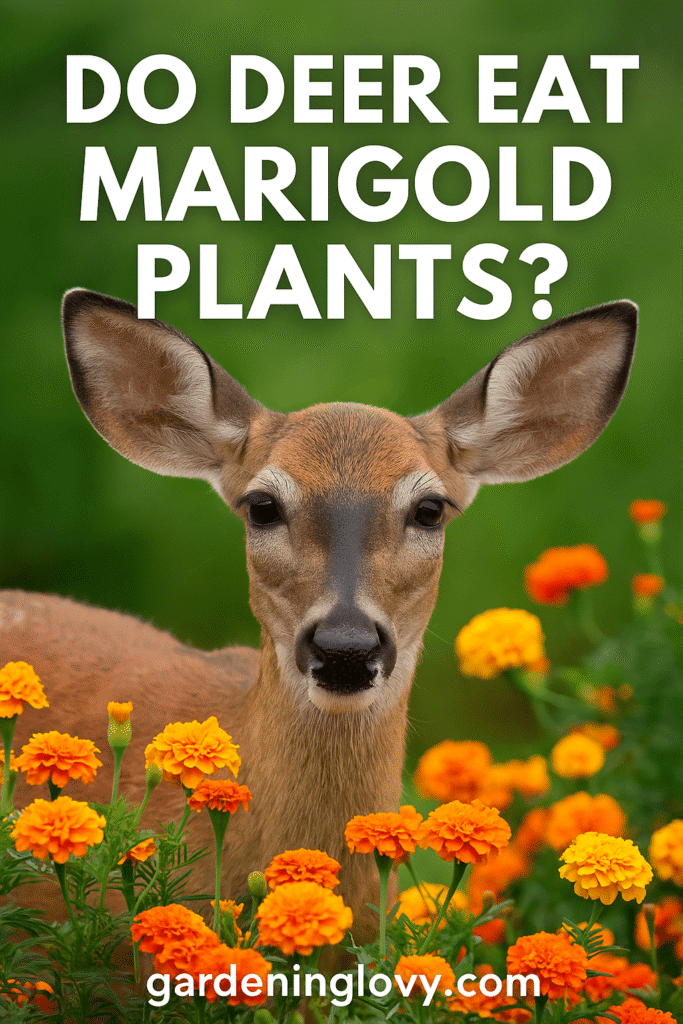
Deer usually avoid marigolds because of their strong smell (thiophene compound), but they may still eat them when food is scarce. To protect marigolds, use fencing, natural repellents, and companion planting strategies.
Why Gardeners Are Confused About Deer & Marigolds

Marigolds are often called “deer-resistant”—but not “deer-proof.”
That’s where most gardeners get it wrong.
Deer behavior changes based on:
- Food availability
- Season
- Population pressure
So even plants deer normally avoid can become food in tough conditions
Do Deer Actually Like Marigolds?
There is no clear-cut answer; however, some data point to Deer not being overly drawn to Marigolds also Geraniums and Ranunculus.
Thiophene, a chemical molecule found in Marigolds, is what gives them their distinctive scent. Marigolds may act as a natural deterrent because it is believed that Deer and other animals find this aroma repulsive.
The Real Answer (Expert Insight)
| Situation | Deer Behavior |
|---|---|
| Plenty of food available | Avoid marigolds |
| Food scarcity | May eat marigolds |
| High deer population | More likely to eat anything |
| Young/tender plants | More vulnerable |
👉 Key Insight:
Marigolds are deterrent plants—not protection guarantees

Why Deer Avoid Marigolds (Science Explained)
Marigolds contain a compound called thiophene.
What thiophene does:
- Produces a strong scent
- Repels insects
- Makes plant unappealing to deer
However…
👉 If deer are hungry enough → they ignore smell completely
Factors That Influence Deer Feeding Behavior
Several factors, such as the following, affect the way Deer feed, including:
1. Season
According to the time of year, Deer may have various dietary preferences.
They might like delicate, succulent plants in the spring and summer, whereas in the fall and winter, they would prefer heartier meals like nuts and acorns.

2. The Density of Population
Food sources may be limited in places with high Deer populations, leading Deer to be more opportunistic and consume a wider variety of plants.
3. Existence of Alternative Food Sources
Deer may be less likely to eat Marigolds or other plants in your garden if alternative food sources are easily accessible.
4. Age and Condition of the Deer
Elderly or ill Deer may find it more difficult to obtain food and may be more inclined to consume plants that they would ordinarily avoid.
Different plants are more and less appealing to Deer. Deer may not choose Marigolds as a food source, but if there aren’t many other options, they might.
Gardeners may safeguard their plants and reduce the chance of Deer damage by being aware of the elements that affect Deer eating habits.
Signs Deer Are Eating Your Marigolds
Watch for these:
- Leaves torn (not clean cuts)
- Missing flowers overnight
- Hoof marks around plants
- Deer droppings (pellet-shaped)
Plants Deer Love vs Plants Deer Avoid
Deer Favorite Plants
| Plant | Risk Level |
|---|---|
| Hostas | Very High |
| Roses | High |
| Daylilies | High |
| Azaleas | High |
Deer-Resistant Plants
| Plant | Effectiveness |
|---|---|
| Marigolds | Medium |
| Lavender | High |
| Rosemary | High |
| Daffodils | Very High |
Deer Damage Prevention Methods for Marigolds
Gardeners can use a variety of tactics to keep animals away from Marigolds along with other plants, like:
1. Employ Natural Repellents
Lavender, rosemary, and thyme are among the plants that have a reputation for keeping Deer away.
By growing these plants next to your Marigolds, you might be able to stop Deer from nibbling on them.
As natural Deer repellents, some individuals also use soap shavings, predator urine, or human or animal hair.
2. Employ Chemical Repellents
You may prevent Deer from eating your plants by using a range of chemical sprays and repellents.
These substances either create an offensive taste or odor or cause a minor irritating feeling on the Deer’s tongue to work.
When using these goods, make sure you carefully follow the manufacturer’s directions.
3. Install Fence
One of the ideal ways to make sure that the Deer stay out of the garden is to fence it off physically.
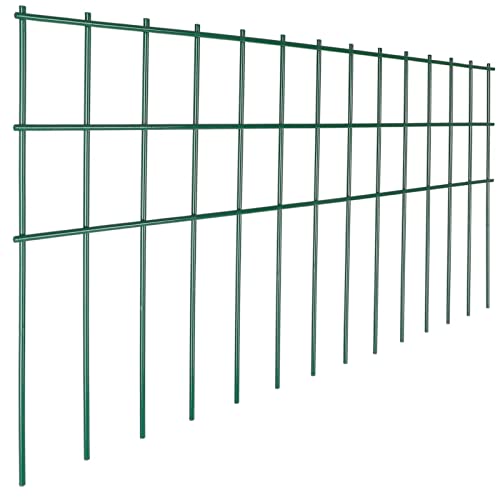
Electric fences, Deer netting, and Deer-resistant fencing are a few of the fencing options that can be used. Make sure to pick a fence that is high enough to discourage Deer from scaling it.
4. Sensors
Some homeowners have had luck scaring Deer away with the use of noise or motion sensors.
As Deer approach, these gadgets make a loud noise or flash a bright light, which might shock them and make them flee.
5. Plant Species That Resist Deer
Choosing plants that have been proven to be resilient to Deer damage may be a good idea if you reside in an area with a large Deer population. Daffodils, alliums, and snapdragons are a few examples.
Gardeners can successfully prevent Deer damage to their Marigolds and other plants by using one or more methods.
Advanced Strategy (What Experts Do)
Instead of protecting just one plant…
👉 Design your entire garden as deer-resistant
Example Layout:
- Outer layer → strong scent plants
- Middle layer → moderate resistance
- Inner layer → sensitive plants
This reduces overall risk significantly.
When Deer Still Eat Marigolds (Reality Check)
Marigolds and other plants can suffer a variety of damages at the hands of Deer. Deer may consume Marigold leaves and petals, leaving them looking ragged or partially eaten.
Even after all precautions:
- Deer may still eat marigolds
- Especially during drought or winter
👉 That’s why layered protection works best
Are Marigolds Ever Beneficial to Deer?
Surprisingly, yes.
- Provide minor nutrients
- Act as insect repellent in ecosystem
- May support biodiversity
But they are not a primary food source.
Complete Deer Protection Strategy
| Method | Effectiveness | Cost | Best For |
|---|---|---|---|
| Fencing | Best | High | Long-term |
| Repellents | Average | Low | Small gardens |
| Companion planting | Fair | Low | Natural gardens |
| Sensors | Best | Medium | Temporary use |
Common Mistakes Gardeners Make
❌ Assuming deer won’t eat marigolds
❌ Using only one protection method
❌ Ignoring seasonal changes
❌ Not checking plants regularly
FAQs: Do Deer Eat Marigolds
Are marigolds completely deer-proof?
No, they are deer-resistant but not guaranteed safe.
What smell do deer hate the most?
Strong herbs like lavender, garlic, and rosemary.
Will deer eat marigolds at night?
Yes, deer are most active at dawn and dusk.
What is the best permanent solution?
Installing a proper fence.
Conclusion: Do Deers Eat Marigolds
Marigolds can help reduce deer damage—but they are not your only defense.
The real strategy is:
👉 Combine multiple methods
👉 Understand deer behavior
👉 Design a smarter garden
Once you do that, deer damage drops dramatically.

I am an enthusiast who loves plants very much and I do a lot of research online as well as outside in gardens and nurseries. I also strive to be as accurate as possible in my research and my articles. I have been involved in gardening for a long time and truly enjoy it. Know more about me About. You can also join me Here.