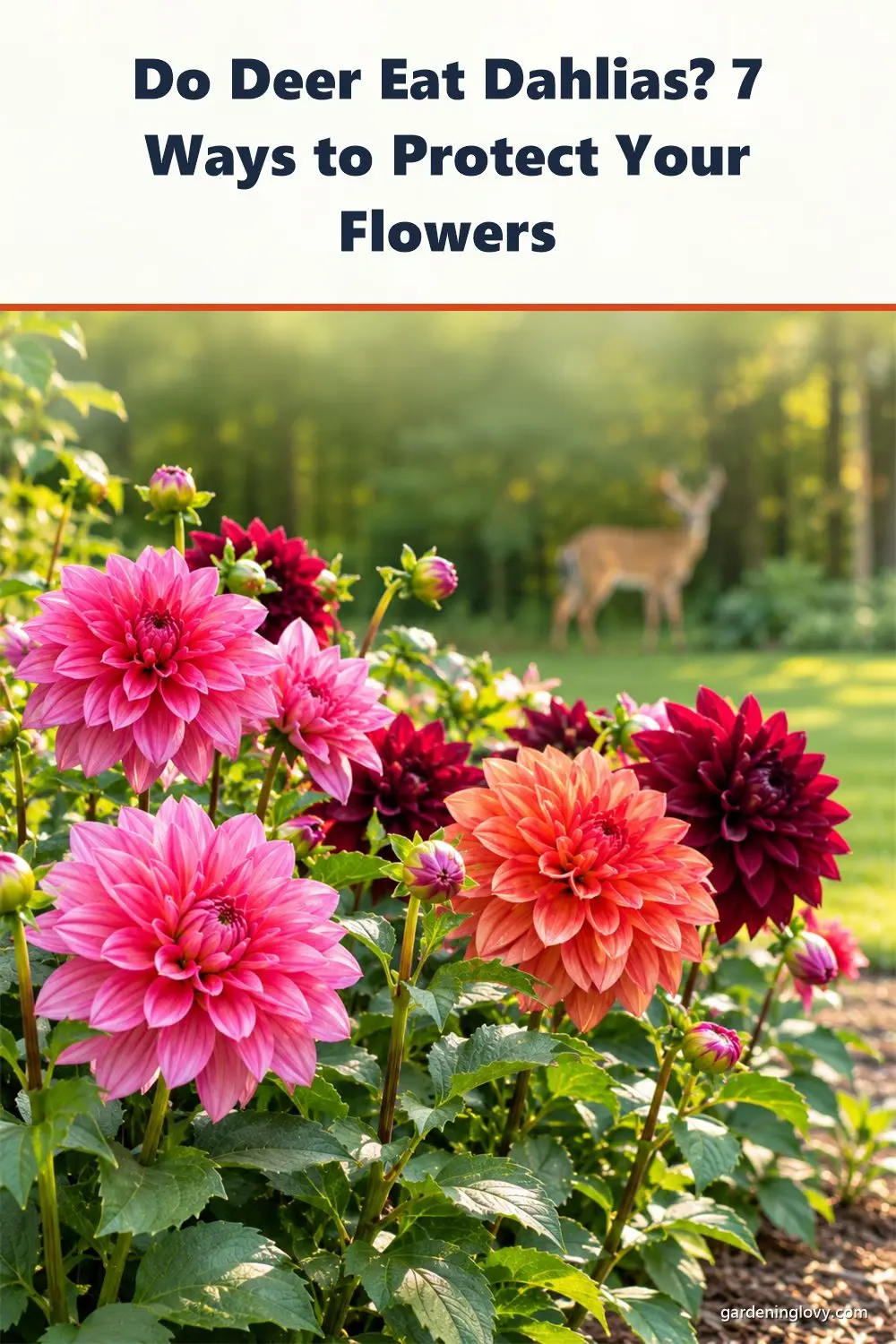
Do deer eat dahlias? Yes, mostly the soft new shoots and the flower buds. Plenty of gardens never see a nibble, but where deer are hungry, a bed can be stripped to bare stems overnight.
The good news: a few simple steps keep most of the damage away. If you’re still choosing between summer flowers, our zinnia vs dahlia comparison helps too.
Further down you’ll also find straight answers for roses, hydrangeas, geraniums, coneflowers and poppies, the other flowers people most often find chewed.
This post contains affiliate links. As an Amazon Associate, Gardening Lovy earns from qualifying purchases.
Quick fix while you plan: drape black polypropylene deer netting over hoops or stakes tonight. It’s cheap, nearly invisible and stops most browsing straight away.

Why the deer-resistant lists disagree about dahlias
Look up dahlias and you’ll find three different answers. Rutgers rates them C, “occasionally severely damaged”. Cornell Cooperative Extension lists them as rarely damaged. The University of Washington’s Miller Library says plainly that deer do eat dahlias.
They’re all right for their own patch. Lists come from different regions, different deer (white-tailed deer in the US, roe deer and muntjac in the UK) and different surveys.
So read any list as “how likely,” not “never.” The University of Arizona adds that young, well-fed plants are more tempting, and that diets change with weather and food supply.
The same split shows up for other garden favorites. Here’s how the three lists compare:
| Flower | Rutgers (NJ) | Cornell CCE (NY) | RHS survey (UK) | Our take |
|---|---|---|---|---|
| Dahlia | C, occasionally severely damaged | Rarely damaged | Not on the resistant list | Protect it |
| Rose | C (hybrid tea and rugosa) | Frequently damaged | Very susceptible | Protect it |
| Hydrangea | C (all five types listed) | Occasionally damaged | On the “plants to try” list | Guard the buds |
| Annual geranium (Pelargonium) | C, occasionally severely damaged | Rarely damaged | Very susceptible | Pots near the house |
| Hardy geranium (cranesbill) | B to D, by species | Occasionally damaged | Very susceptible | Pick G. macrorrhizum |
| Purple coneflower (Echinacea) | B, seldom severely damaged | Rarely damaged | Not rated | Usually safe |
| Oriental poppy | B, seldom severely damaged | Rarely damaged | Very susceptible | Safe in the US, risky in the UK |
| Peony | A, rarely damaged | Occasionally damaged | Low damage | Good choice |
| Marigold | B, seldom severely damaged | Rarely damaged | Not rated | Usually safe |
| Gladiolus | B, seldom severely damaged | Not listed | Not rated | Usually safe |
| Ranunculus | A, rarely damaged | Not listed | Not rated | Good choice |
Is it deer, or something else?
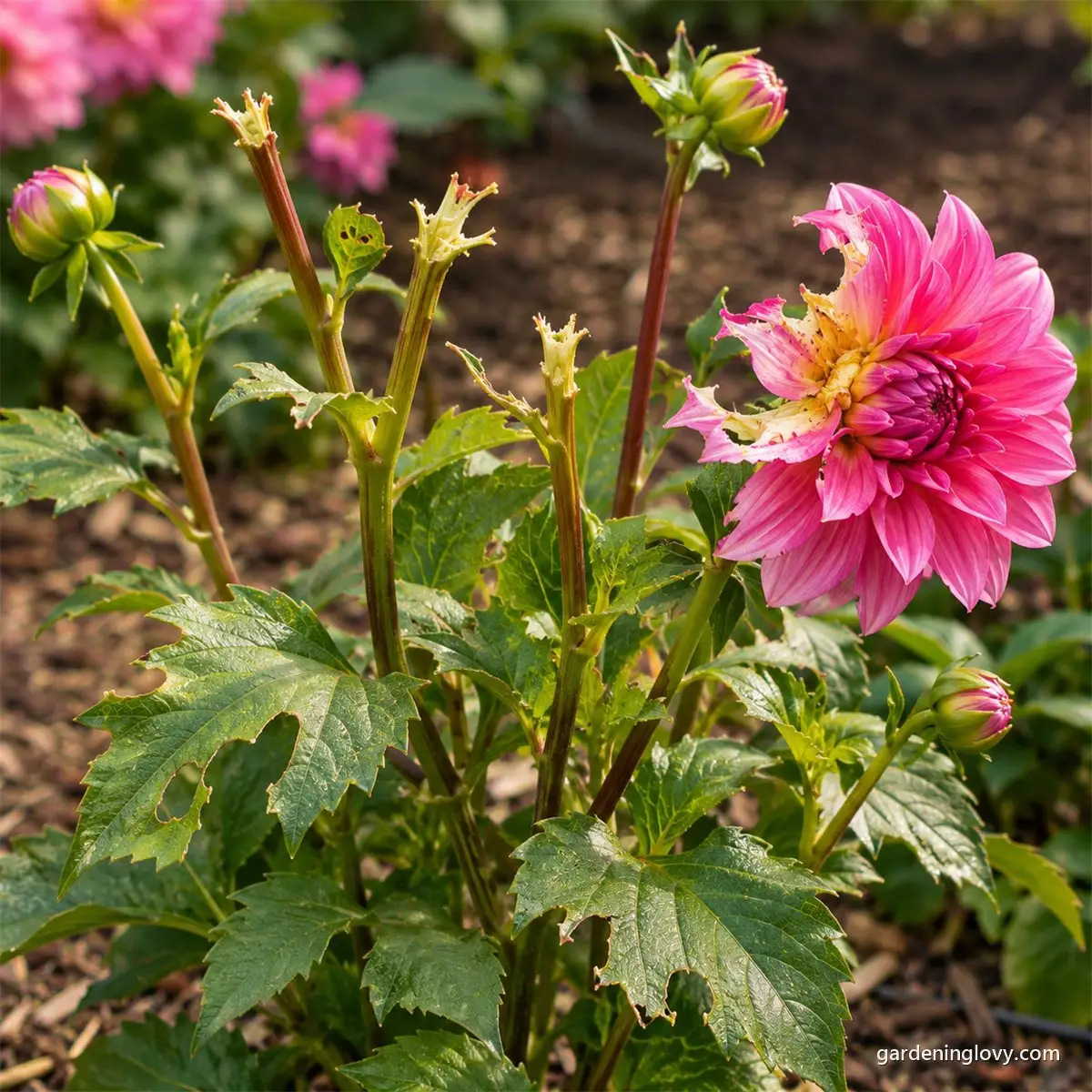
Deer have no upper front teeth, so they tear rather than cut. The Miller Library notes deer leave a jagged edge higher on the plant, while rabbits and rodents make a clean cut.
| What you see | Likely culprit |
|---|---|
| Ragged, torn stems and buds, knee height or higher | Deer |
| Clean, angled cut close to the ground | Rabbits |
| Holes in leaves and a slime trail | Slugs or snails |
| Chewed, ragged petals, damage overnight | Earwigs |
| Plant wilts, tuber chewed underground | Voles or gophers |
Deer rarely dig up dahlia tubers. If tubers vanish or are gnawed, look for small burrows instead.
7 ways to protect dahlias from deer
The University of Minnesota suggests using several methods together and starting early, before deer learn your garden is a buffet. The same steps work for every flower in this guide.
1. Fence the bed or the garden
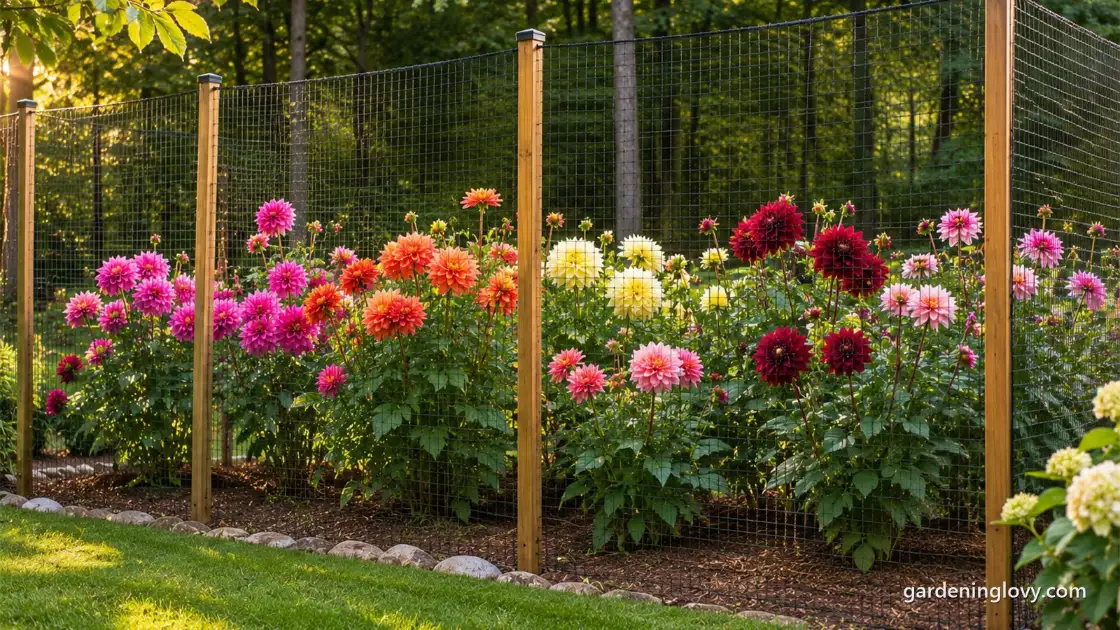
Fencing is the only sure fix. In the US, aim for about 8 feet around a whole garden.
In the UK, the RHS suggests 1.5 m (5 ft) for muntjac and 1.8 m (6 ft) for other deer, with the bottom edge pegged down.
2. Cage or net single plants
For a few dahlias, a wire cage or deer netting over hoops works well. Cover new shoots in spring, when they’re most tempting, and pin the edges down.

3. Try a fishing-line fence
Run heavy monofilament fishing line tightly around a small bed, about 30 to 36 inches high and 2 feet out from the plants. Deer bump into what they can’t see and back off.
It’s a short-term trick for light deer traffic.
4. Spray a repellent and rotate it
Spray before damage starts, then again after rain and on new growth. Switch products every few weeks so deer don’t get used to one smell. The University of Arizona calls repellents useful but not dependable on their own.
5. Add a motion-activated sprinkler
A sudden burst of water startles deer at night. They get used to it, so move it every week or two.
6. Plant a deer-resistant border
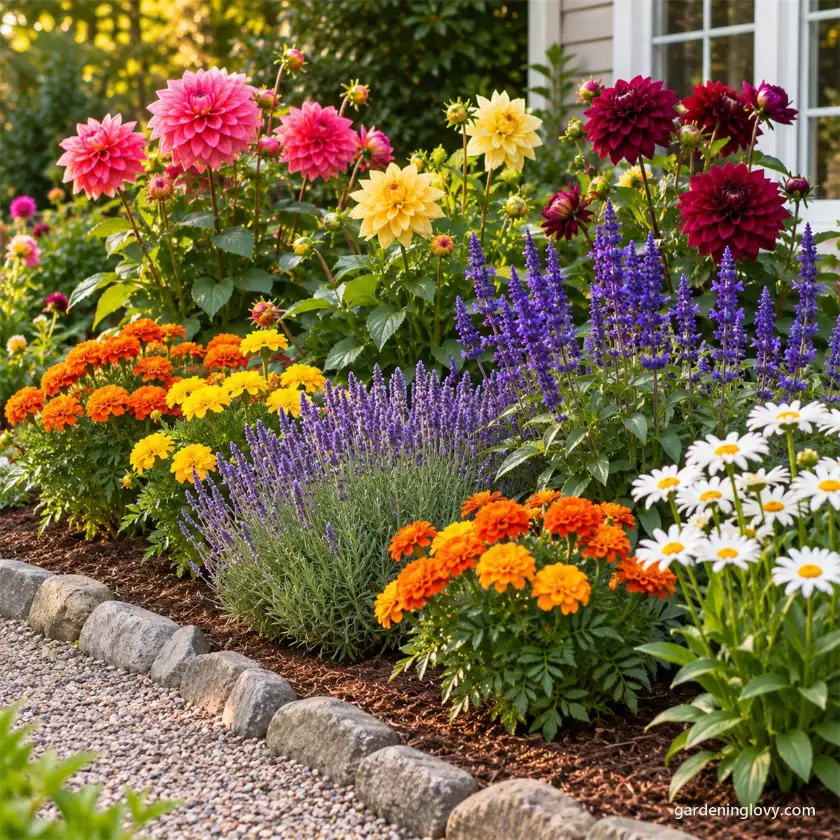
Ring dahlias with plants deer tend to skip, like marigolds, salvia, lavender and daffodils. It won’t stop a determined deer, but it makes the bed less inviting. See our best companion plants for pairings.
7. Grow them close to the house, or in pots
The RHS survey found plants near the house get less damage. Compact dahlias grow well in large pots on a patio or deck, where deer rarely come. And never feed deer, which teaches them to visit.
For other critters, see how to keep animals out of raised beds.
Do deer eat roses, hydrangeas and other garden flowers?
Some of the most-loved flowers are also deer favorites. Here’s what to expect from each, and the one change that helps most.
Do deer eat roses?
Yes, and often. Deer pick off buds, open flowers and soft new canes, and the thorns barely slow them down. Cornell lists roses among the plants frequently damaged by deer.
Rugosa roses are the toughest bet. The RHS puts Rosa rugosa on its list of plants to try, though Rutgers still rates it C. Treat every rose as a plant to protect.

Net shrub roses from bud break, and spray repellent on the buds after every rain.
Starting new plants from rose cuttings is a cheap way to replace browsed bushes. Compact roses also do well in pots by the house; see our mini rose care guide.
Do deer eat hydrangeas?
Yes. Rutgers rates every hydrangea it lists, from bigleaf to oakleaf, as occasionally severely damaged. Deer go for the leaves, the tender tips and the flower buds.
Whether you lose the flowers depends on the type. Smooth and panicle hydrangeas bloom on new wood, so they regrow and flower the same summer.
Bigleaf, oakleaf and climbing hydrangeas flower on last year’s stems. Deer browsing in winter or early spring can remove a whole season of blooms.
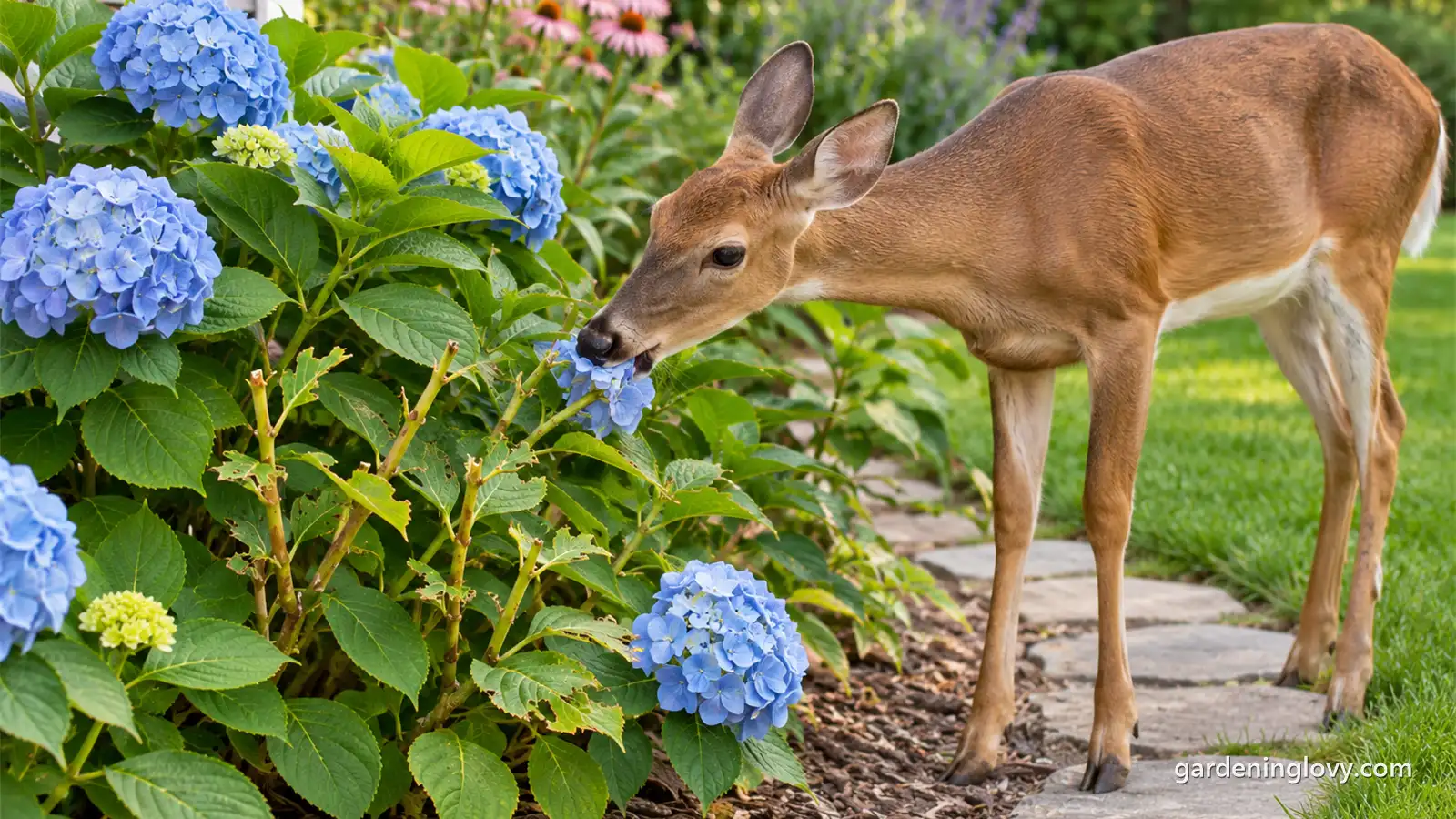
Cage young shrubs through winter. Hydrangeas in containers can move closer to the house, as our guide to potted hydrangea care explains.
Do deer eat geraniums?
It depends which “geranium” you mean. The annual bedding and patio geraniums are Pelargonium. Hardy geraniums, or cranesbills, are perennial Geranium species.
US lists give annual geraniums mixed marks: rarely damaged at Cornell, C at Rutgers. Their fuzzy, strongly scented leaves put many deer off.
Hardy geraniums vary by species. Rutgers rates Geranium macrorrhizum B but G. endressii D. In the UK, the RHS survey found both kinds very susceptible.
The simplest fix is placement. Keep geraniums in window boxes, hanging baskets or pots by the door, where deer rarely browse.
Do deer eat echinacea (coneflowers)?
Not often. Rutgers rates purple coneflower B, and Cornell lists it as rarely damaged. The rough, hairy leaves aren’t a deer’s first choice.
Young spring growth and fresh flower buds are the parts most at risk. A hungry deer in a dry summer may still nip a few flower heads.

Leave the seed heads standing in fall. Goldfinches love them, and the stems mark where your plants are in spring.
Do deer eat poppies?
In North America, rarely. Rutgers rates annual poppies A and oriental and California poppies B. Poppies contain bitter, toxic alkaloids, which helps explain why deer tend to pass them by.
The UK is the surprise. The RHS survey rates oriental poppies as very susceptible, likely because muntjac and roe deer browse differently. Gardeners in Britain should net them early.
Gladiolus, marigolds, peonies and ranunculus
- Gladiolus: not often. Deer may bite off a spike in a dry summer, but they rarely flatten a planting.
- Marigolds: usually not. The strong-smelling leaves put deer off, which is why marigolds make a good border.
- Peonies: one of the safest bets, rated low-damage in the RHS survey. If yours won’t bloom, see how to encourage flowers on peonies.
- Ranunculus: rarely eaten, though a hungry deer in early spring may still take a bite.
When deer damage is worst
- Spring: new dahlia shoots are tender and deer are hungry. Cage or net from the day shoots appear.
- Midsummer: buds form on dahlias and roses. Keep repellents fresh and move the sprinkler.
- Late summer drought: watered gardens become a magnet. Check fences and nets.
- Fall: lift and store tubers where winters are cold, and clear old stems.
- Winter: deer browse hydrangea and rose stems when little else is green. Cage bigleaf hydrangeas to save next year’s buds.
Tools that help
Each of these works for dahlias, roses and hydrangeas alike. Look for netting with small mesh (under 1 inch) and UV-stabilized plastic so it lasts more than one season.
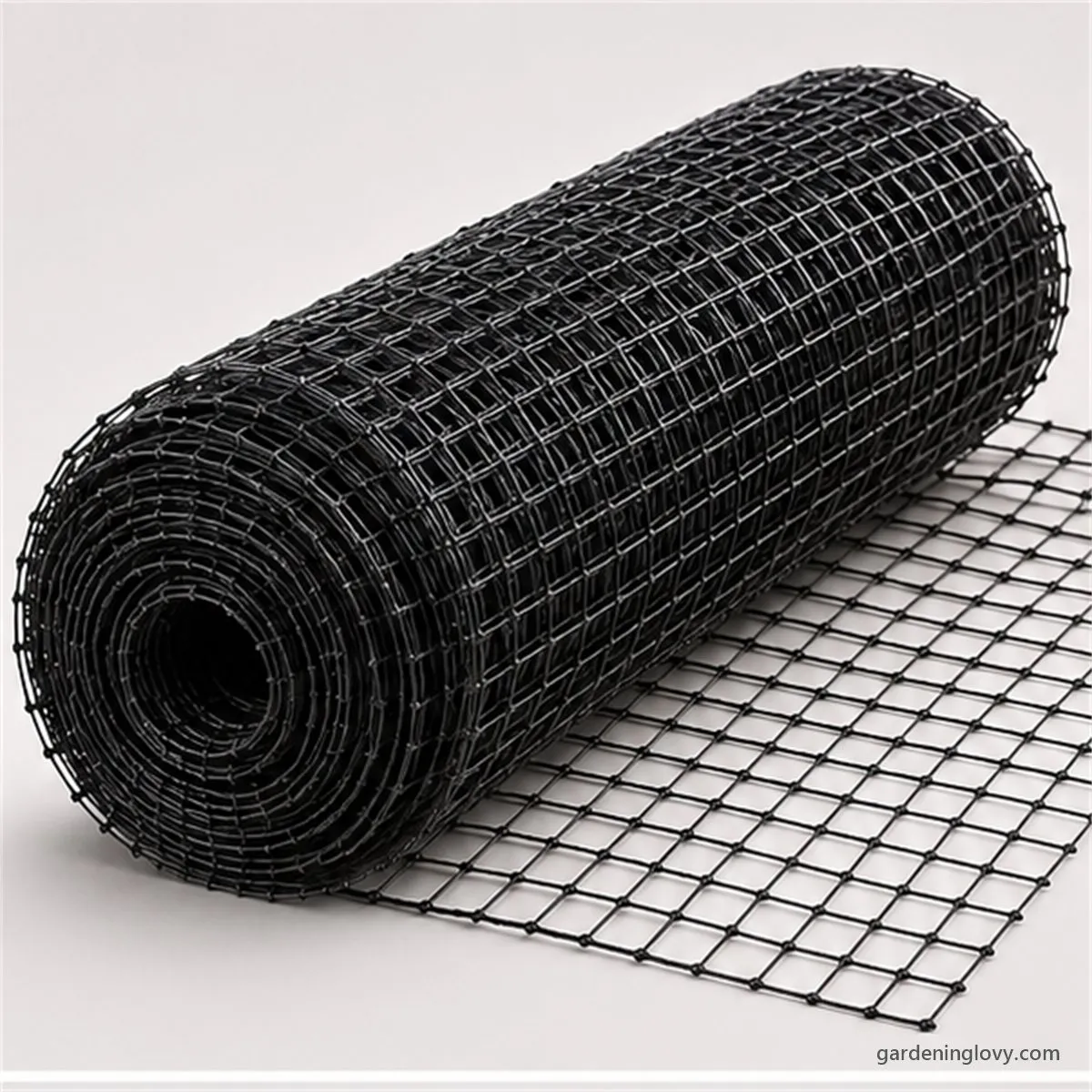
7-foot deer netting
For fencing a bed on posts or draping over hoops and rose bushes.
Check price on Amazon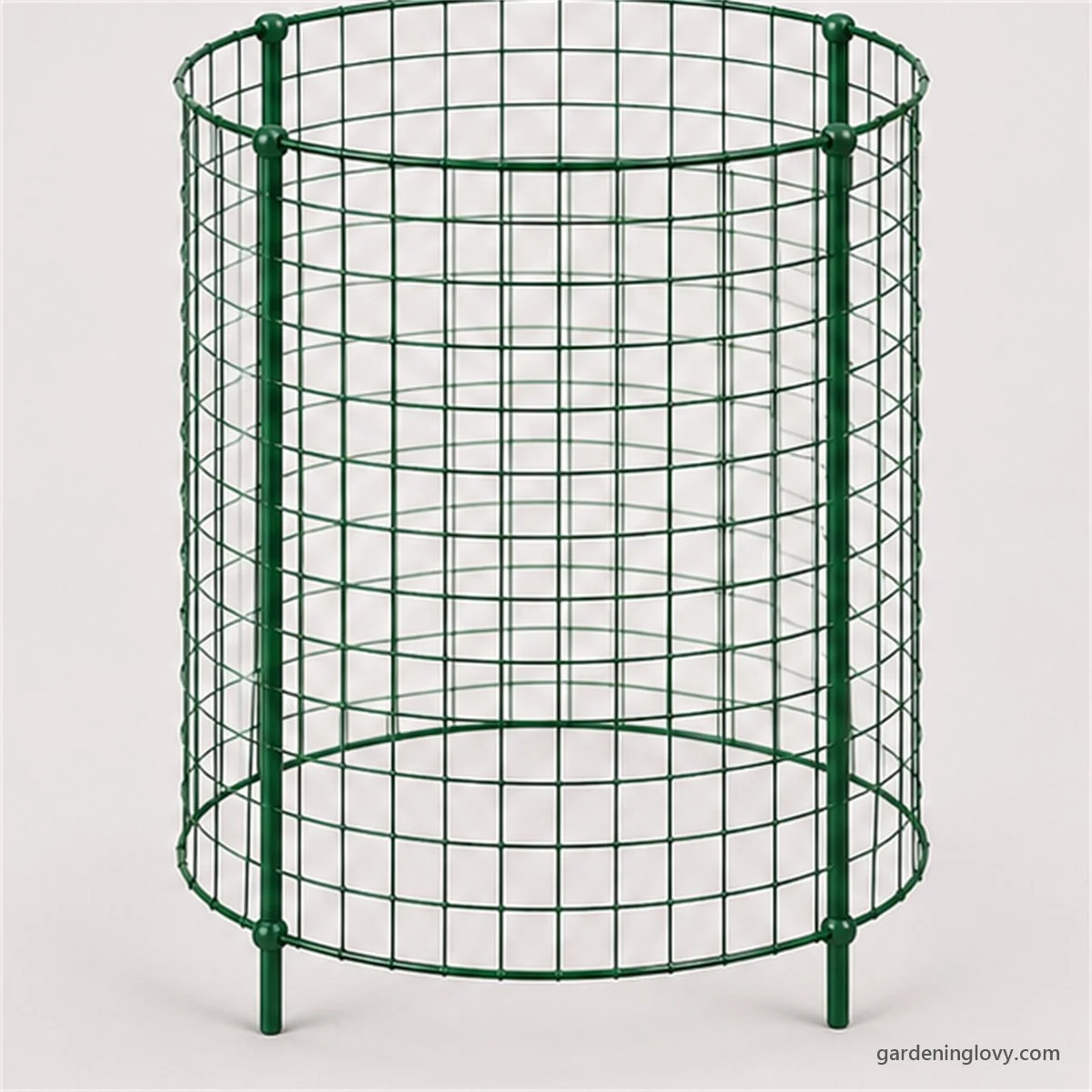
Wire plant cages
Guard young dahlia shoots in spring and small hydrangeas over winter.
Check price on Amazon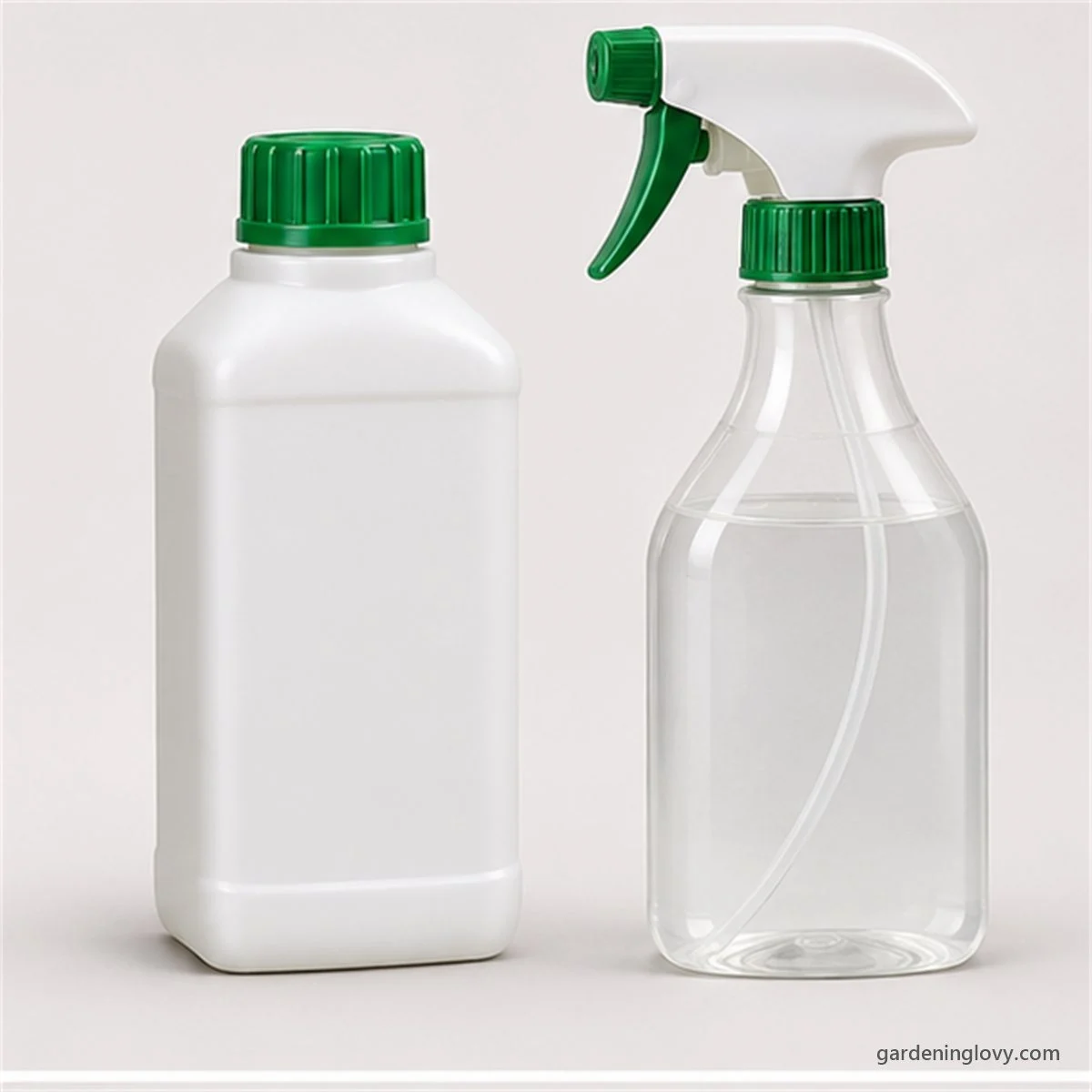
Deer repellent concentrate
Mix and spray on foliage and rose buds. Reapply after rain and on new growth.
Check price on Amazon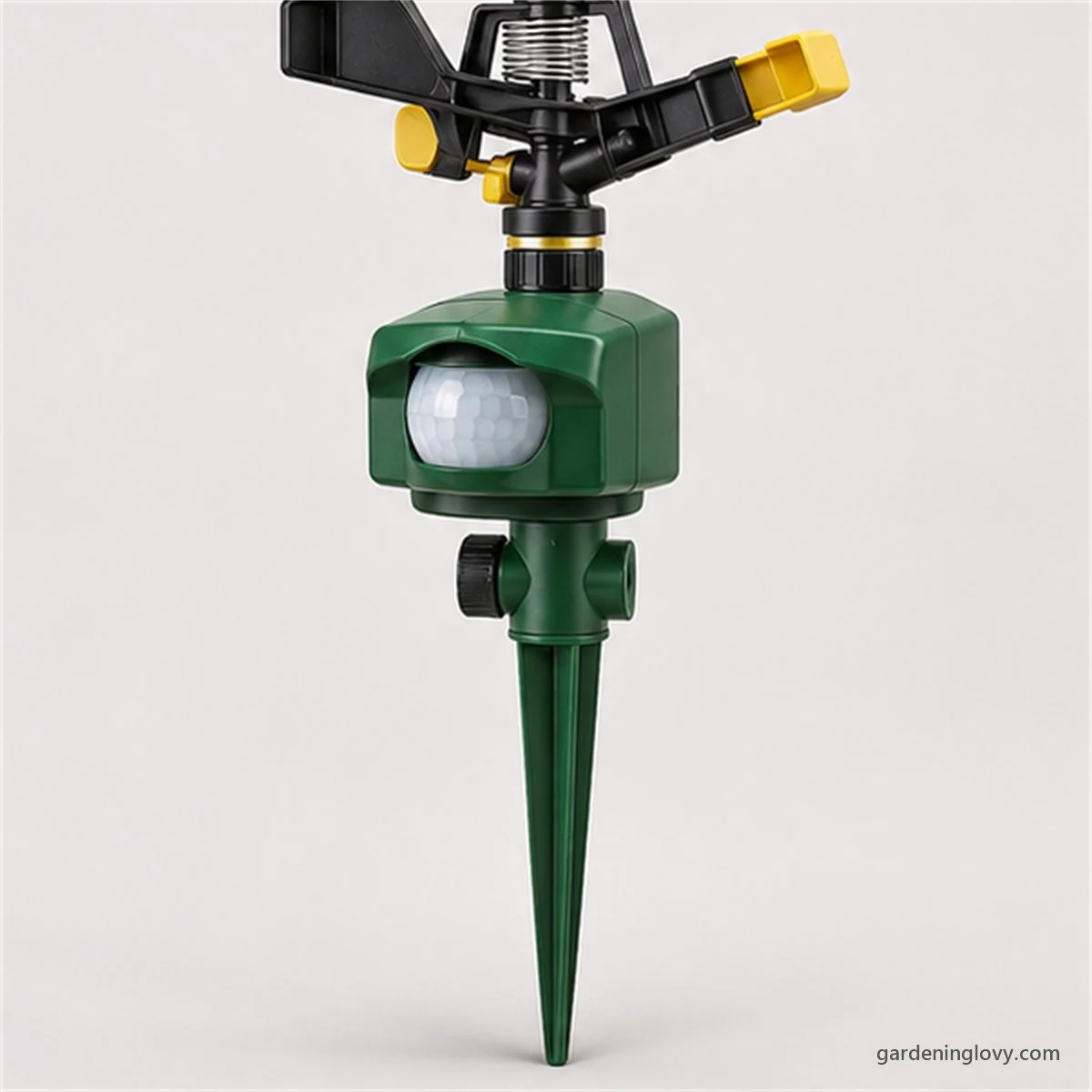
Motion-activated sprinkler
A burst of water when an animal comes near. Move it often.
Check price on AmazonFrequently asked questions
Will dahlias grow back after deer eat them?
Often, yes. If the tuber is healthy and deer took only leaves and buds, new shoots usually appear within a few weeks. Water the plant, protect it straight away with a cage or netting, and expect flowers a little later than usual.
Will hydrangeas grow back after deer eat them?
Yes, if the roots are healthy. Smooth and panicle hydrangeas flower on new wood, so they usually bloom the same summer. Bigleaf, oakleaf and climbing hydrangeas flower on last year’s stems, so heavy browsing can cost you a season of blooms.
Are any roses deer resistant?
Not really. Deer eat buds, flowers and new canes, and thorns don’t stop them. Rugosa roses appear on the RHS list of plants to try, but Rutgers still rates them occasionally severely damaged. Plan on netting or repellent for any rose.
What animal is eating my dahlias?
Check the damage. Deer leave ragged, torn stems from knee height up. Rabbits make clean, angled cuts low down. Slugs leave holes and slime, earwigs chew petals overnight, and voles or gophers attack the tubers underground.
What smell do deer hate the most?
Repellents built on rotten egg, garlic, hot pepper and strong mint scents are the usual choices. Deer get used to any single smell, so switch products every few weeks and reapply after rain.
Do coffee grounds or Irish Spring soap keep deer away?
There is no good evidence they work. Extension services describe home remedies like soap and hair as unreliable or untested. A fence or a labeled deer repellent gives far more dependable results.
Conclusion
Deer do eat dahlias, but how much depends on your local deer, not on any single list. Treat ratings as odds, protect new shoots early, and layer two or three fixes.
- Ragged, torn stems at knee height mean deer; clean low cuts mean rabbits.
- Spring shoots, rose buds and winter hydrangea stems are the most at risk.
- Rotate repellents and move scare devices so deer don’t get used to them.
- Coneflowers, peonies, marigolds and (in the US) poppies are safer neighbors.
If you only do one thing: cage or net your dahlias from the day the shoots appear.
Recommended reading
- How to get rid of botrytis in flowers
- What to plant with zinnias
- Balloon flower care
- Marsh marigold care guide
- Natural garden pest control methods

I am an enthusiast who loves plants very much and I do a lot of research online as well as outside in gardens and nurseries. I also strive to be as accurate as possible in my research and my articles. I have been involved in gardening for a long time and truly enjoy it. Read more about me and how I research my guides, or join me on Facebook.