
But were you aware that you can grow chia seeds hydroponically? It’s a breeze, and a few stages are involved in the process.
Chia seeds are a superfood that is becoming more and more popular. They have many health benefits, and they are easy to grow hydroponically.
Chia seeds are a fantastic way to get a nutrient-rich Microgreens start to your day.
Add them to your smoothie, oatmeal, or yogurt for a nutritional boost. You may even let them sprout and then use the sprouts to garnish salads or soups.
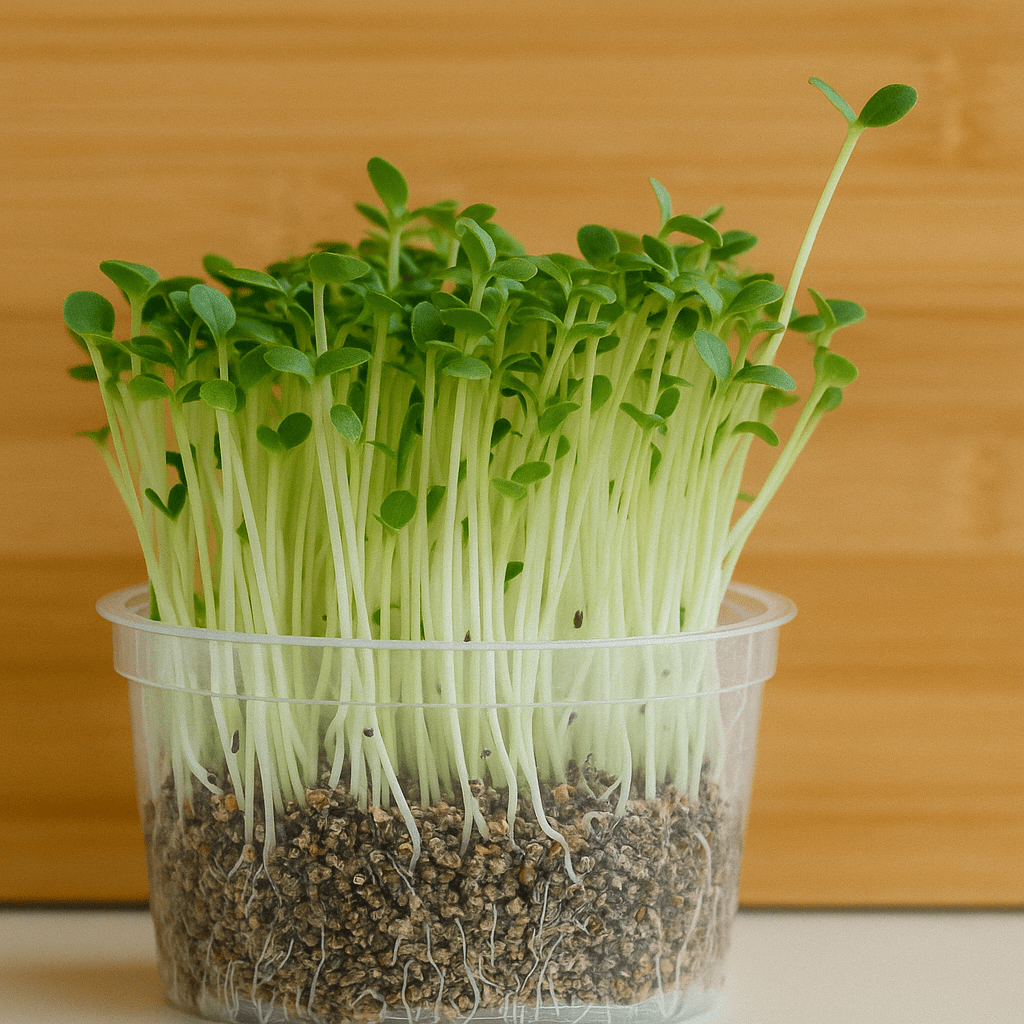
1. Soaking
Growing plants hydroponically is a great way to start gardening, as it doesn’t require soil and can be done indoors. Chia seeds are a good option for hydroponic gardening, as they are easy to care for and don’t require much space.
It is recommended to soak the chia seeds for at least 12 hours before planting them in a hydroponic system. This helps the seed coat relax, and the plant germinates more rapidly.
After being submerged in water for some time, the seeds are ready to be planted in a growing media such as vermiculite or coco coir.
The seeds require a consistent moisture level, so it is essential to check on them daily and spritz them with water as necessary.
If you are patient, you will soon notice that the seeds are beginning to produce little shoots. After that, all that is left to do is provide proper care for your new plants and observe their development.
2. Planting
Planting chia seeds is the next step in the hydroponic growing process. An inexpensive pot or vessel with drainage holes on the base is required.
Fill the pot with a hydroponic growing medium, such as coco coir or perlite. Coco coir is popular because it is made from recycled coconut husks and is very effective at holding moisture.
Once you have filled the pot with your chosen growing medium, place the chia seeds on top of the soil and gently press them into the soil.
It shouldn’t take more than a few days before you notice the first indications of growth.
3. Watering
The third step in growing chia seeds hydroponically is watering. Chia seeds need lots of water to germinate, so keep them moist. A spray bottle works well for this purpose.
After the seeds have started growing, you can reduce how frequently you water the soil, but it should still be kept moist.
Chia seeds are ready to harvest when the leaves are green and the plant is about 6 inches tall. Cut the plant at the base and enjoy your homegrown chia!
4. Growing
Now that the chia seeds have germinated and the seedlings have grown a few inches tall, it’s time to grow them hydroponically.
Hydroponic systems can be simple or complex, but the basic principle is to provide the roots of plants with a constant supply of water and nutrients.
There are many different ways to set up a hydroponic system, but one of the simplest is to use a wick system.
A wick system consists of a container of water, a growing medium, and a wick that runs from the water to the growing medium.
The plant’s roots will eventually grow into the wick, which will allow the plant to receive more water and nutrients. Since they are simple to install and take care of, wick systems are an excellent choice for people just starting.
5. Harvesting
The last step in growing chia seeds hydroponically is harvesting. After the seeds have matured, they can be harvested by cutting the stalk at the base and then drying them in an airtight container.
After the seeds have been dried, you can germinate them or plant them immediately in the ground. Due to the high output of chia seeds, even a modest planting can bring in a substantial crop.
When grown hydroponically, chia seeds can be harvested year-round, providing a constant supply of fresh sprouts or greens. With little effort, anyone can enjoy the benefits of hydroponically growing their chia seeds.
Benefits Of Growing Chia Seeds Hydroponically
For a good reason, chia seeds have become the current superfood trend. You can reap multiple health benefits from these tiny seeds.
The fact that chia seeds are loaded with beneficial nutrients, such as omega-3 fatty acids, antioxidants, and fiber, makes them a nutritional powerhouse.
In addition to that, they are simple to incorporate into your diet and have a wonderful flavor. The following is a short list of the numerous advantages that eating chia seeds can bring you.
1. Bone & Cardiovascular Health
Chia seeds are an excellent source of essential nutrients, including calcium and phosphorus.
This makes them ideal for bone and cardiovascular health. They are also high in fiber, which helps to regulate cholesterol levels.
Additionally, Protein and heart-healthy omega-3 fatty acids can be found in abundance in chia seeds.
When grown hydroponically, chia seeds can also provide a valuable source of oxygen to the roots of plants.
This can help to improve growth and yield. As a result, hydroponically grown chia seeds can offer significant benefits for bone and cardiovascular health.
2. Promote Brain Health
Growing chia seeds hydroponically has several benefits, one of which is promoting brain health. Chia seeds are a good source of omega-3 fatty acids essential for cognitive function.
Chia seeds have mucilage, a soluble fiber. This chemical can slow sugar absorption, maintaining blood sugar levels stable and minimizing insulin spikes.
This is significant because studies have found a correlation between changes in blood sugar levels and a deterioration in cognitive function.
3. Boost Blood Health
Chia seeds are rich in protein, calcium, fiber, and antioxidants, making them an ideal food source. In addition, they are a rich source of essential fatty acids, the consumption of which is beneficial to the heart’s health.
One of the unique benefits of chia seeds is their ability to boost blood health. Chia seeds’ soluble fiber helps reduce cholesterol and stabilize blood sugar levels.
In addition, the omega-3 fatty acids in chia seeds can help to improve blood circulation and decrease inflammation.
Consequently, consuming chia seeds can be an exceptionally efficient means of preserving normal blood pressure levels and lowering the chance of developing heart disease.
4. Improved Blood Sugar Control
Chia seeds offer a host of benefits, including improved blood sugar control. These little seeds are loaded with fiber, which delays the rate sugar is absorbed into the bloodstream.
In addition, chia seeds contain a type of soluble fiber known as mucilage, which has been shown to improve insulin sensitivity and help manage blood sugar levels.
Moreover, chia seeds are a good source of protein and healthy omega-3 fatty acids linked to better blood sugar control.
So if you’re looking for a way to stabilize your blood sugar levels, consider adding chia seeds to your diet.
5. Increased Fiber Intake
Chia seeds are an excellent addition to a fiber-rich diet. Chia seeds include 11 grams of fiber packed into only one ounce of the seed.
That’s more than a third of the recommended daily intake for fiber, and because chia seeds are so high in fiber, they can help you stay regular and prevent constipation.
But that’s not all. Fiber is also known to lower cholesterol levels, regulate blood sugar levels, and promote weight loss.
So, chia seeds are a great option to increase your fiber intake. Just be sure to drink plenty of water when you eat them, as they can cause digestive issues if you don’t stay hydrated.
FAQS: Grow Chia Seeds Hydroponically
Here are a few frequently asked questions about chia seeds:
Q: What Is The Healthiest Option Between Sprouts And Microgreens?
There is no definitive answer to this question. Some people believe that sprouts are healthier because they are unprocessed, while others believe that microgreens are healthier because they contain more nutrients.
Q: How Much Longer Does It Require Chia Seeds To Grow Into Their Full Potential?
Allowing chia seeds to sprout reduces their nutritional value, but they are still a rich source of fiber, nutrition, and omega-3 fatty acids.
Q: How Long Does It Take For Chia Microgreens To Mature?
Depending on the cultivar, chia microgreens can mature in as little as five days. Harvest them when they reach a height of 2 to 3 inches.
Q: How To Properly Store Chia Seedlings And Microgreens?
It is important to remember to keep chia seedlings and microgreens in a cold, dark environment when storing them. They can be stored in the refrigerator for up to 7 days or in the freezer for up to 2 weeks.
Q: Are Chia Seeds Able To Germinate In Water?
Chia seeds can sprout when submerged in water. However, they do not develop into plants. When you combine chia seeds with water, a substance similar to a gel will be produced.
Read also useful hydrophonic growing tips
- Top 7 Hydroponic Plant Pairings for Maximum Growth
- how to grow tomatoes hydroponically
- How To Grow Hydroponic Kale
- 15 Steps For Growing Mason Jar Hydroponic Herb
- How To Grow Hydroponic Cucumber
- How To Grow Butter Lettuce Hydroponically
Conclusion
Now that you understand how to grow chia seeds hydroponically, give it a try! Not only is it a fun and easy project, but you’ll be able to enjoy the nutritional benefits of fresh chia seeds all year.
Growing your food is a rewarding experience, so why not start with something small and quickly grown, like chia seeds?

I am an enthusiast who loves plants very much and I do a lot of research online as well as outside in gardens and nurseries. I also strive to be as accurate as possible in my research and my articles. I have been involved in gardening for a long time and truly enjoy it. Know more about me About. You can also join me Here.