
Simple Errors That Slowly Destroy Even Healthy Gardens
Many gardens don’t fail because of pests or bad seeds. They fail because of small, repeated mistakes that gardeners don’t even realize they are making.
Plants rarely die overnight. Most of the time, they weaken slowly. Leaves turn yellow. Growth slows down. Flowers drop early. Vegetables remain small. And then one day, the plant simply stops growing.
In this guide, you’ll discover small garden mistakes killing your plants silently, why they are so damaging, and how to fix them before it’s too late. These are mistakes even experienced gardeners make, especially in home gardens, balconies, and containers.
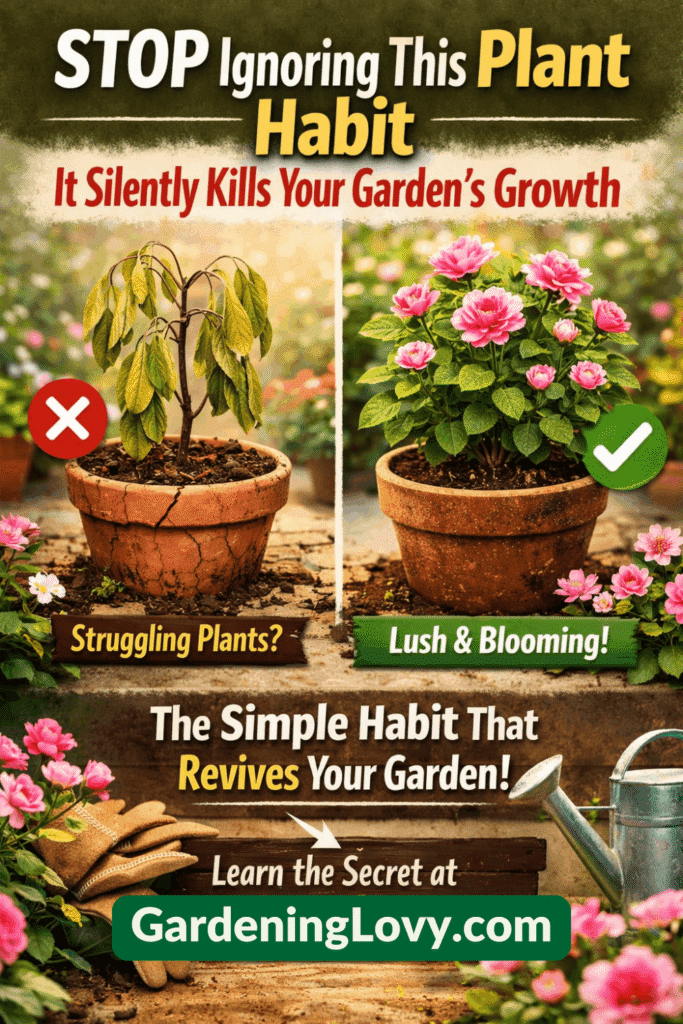
1. Overwatering “Just to Be Safe”
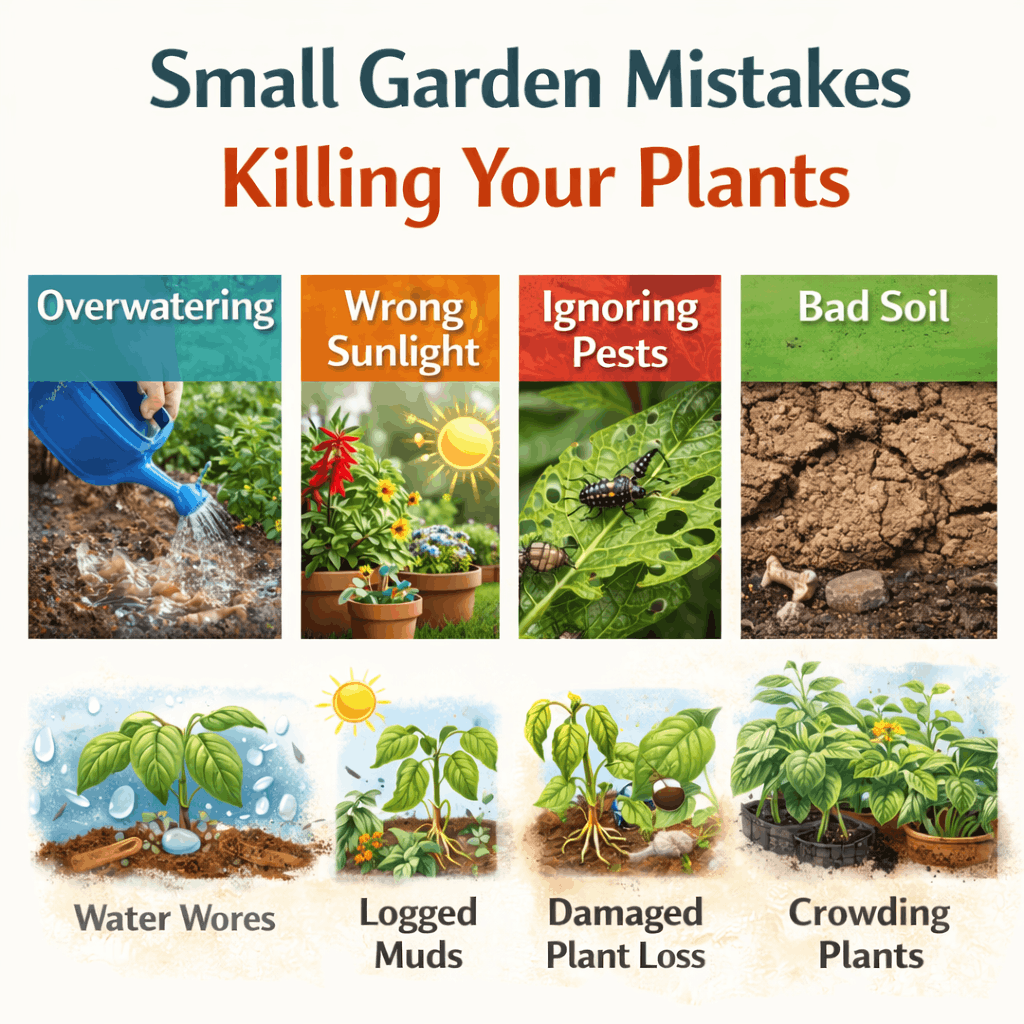
One of the most common gardening mistakes is watering too much.
Many people think: “If the soil is wet, the plant must be happy.”
In reality, excess water suffocates roots.
Why overwatering kills plants
- Roots need oxygen
- Waterlogged soil pushes air out
- Roots begin to rot instead of grow
- Nutrient absorption stops
Signs of overwatering:
- Yellowing leaves
- Soft, drooping stems
- Mold or algae on soil surface
How to fix it:
Water only when the top layer of soil feels dry. Always ensure pots have drainage holes, especially when growing vegetables in containers.
Gardeners growing in pots should first understand container gardening basics for beginners
to prevent drainage mistakes.
2. Using the Wrong Container Size
A container that is too small stresses roots constantly.
Small roots mean:
- less water storage
- poor nutrient absorption
- stunted plant growth
Plants grown in undersized containers often:
- dry out quickly
- flower too early
- produce weak stems
Vegetables and leafy greens grow better in breathable containers like fabric grow bags for vegetables because roots can expand naturally and excess water drains easily.
3. Ignoring Sunlight Requirements
Every plant has a specific sunlight need, but many gardeners place plants wherever space is available.
This mistake quietly kills plants.
Examples:
- Sun-loving vegetables kept in shade
- Shade plants placed under harsh sunlight
- Indoor plants placed far from windows
Without enough light:
- Photosynthesis slows
- Growth becomes leggy
- Leaves turn pale
Leafy vegetables thrive when gardeners understand growing leafy greens in small spaces
and position pots where light is strongest.
4. Cutting Plants the Wrong Way
Improper harvesting weakens plants permanently.
Common cutting mistakes:
- cutting too close to the soil
- tearing leaves instead of clean cuts
- harvesting everything at once
These errors damage the growing point and stop regrowth.
For leafy vegetables, learning how to harvest spinach so it keeps growing dramatically improves plant lifespan.
Using clean tools like micro-tip pruning scissors prevents tissue damage and infection.
5. Poor Soil Quality
Plants cannot grow well in exhausted soil, no matter how much water you add.
Bad soil causes:
- weak root development
- nutrient deficiencies like calcium, iron, magnesium, copper, phosphorous
- reduced disease resistance
Many gardeners reuse old potting soil without refreshing it.
Soil should be:
- loose
- well-draining
- rich in organic matter
Adding compost made through how to make compost at home naturally restores life to dead soil.
6. Not Feeding Plants After Harvesting
Harvesting removes energy from plants.
If nutrients are not replaced:
- regrowth becomes slow
- leaves become smaller
- flowering stops early
Light feeding after harvesting supports healthy recovery, especially for leafy vegetables and herbs.
7. Keeping Plants Too Crowded
Crowded plants compete for:
- sunlight
- nutrients
- airflow
This leads to:
- weak stems
- fungal disease
- pest infestations
Plants need breathing space. Proper spacing improves airflow and strengthens stems.
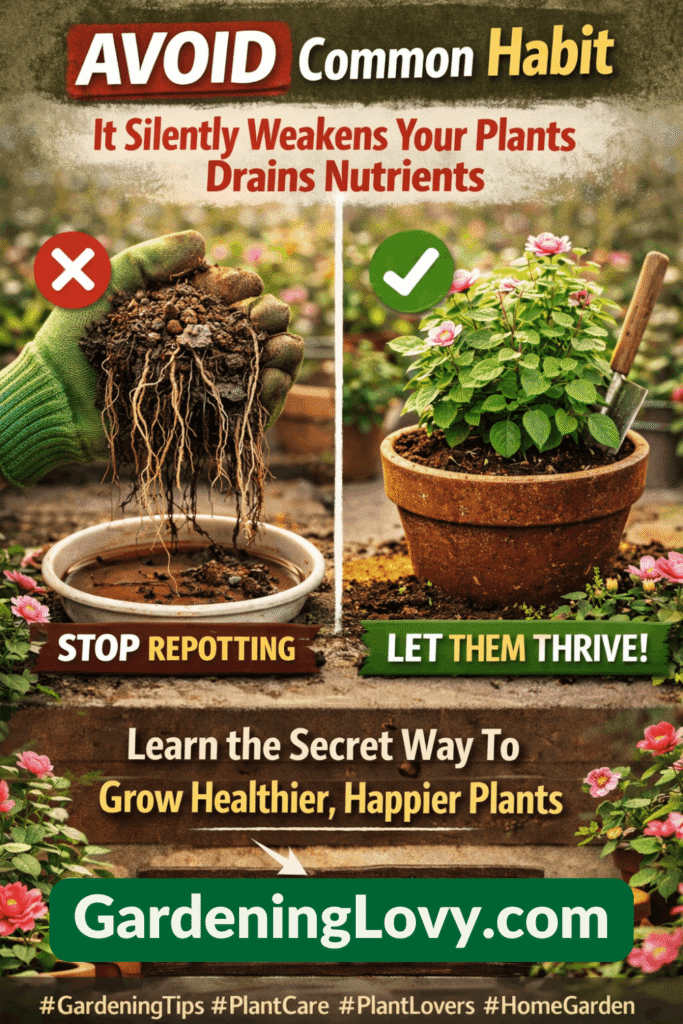
8. Forgetting About Root Health
Roots are hidden, so they are often ignored.
Common root mistakes:
- compacted soil
- poor drainage
- constant wetness
Healthy roots mean healthy plants. This is why breathable containers and loose soil are so important.
9. Skipping Regular Pruning
Unpruned plants waste energy on:
- dead leaves
- weak shoots
Pruning redirects energy to healthy growth.
Herbs respond especially well when gardeners follow herb pruning techniques instead of random trimming. Also read how to harvest thyme so it keeps growing.
For controlled pruning, a stainless-steel hand pruner helps make precise cuts.
10. Growing the Wrong Plants Indoors
Not all plants thrive indoors.
Common indoor gardening mistakes:
- growing sun-hungry vegetables inside
- poor airflow
- inconsistent watering
Plants suitable for indoor conditions perform better when grown using indoor vegetable gardening ideas instead of outdoor methods.
11. Ignoring Seasonal Changes
Plants slow down or speed up growth based on seasons.
Mistakes include:
- overwatering during winter
- heavy feeding in low light
- planting warm-season crops late
Understanding seasonal behavior prevents stress and plant failure.
12. Repeating the Same Mistakes Daily
Small gardening mistakes become deadly when repeated daily.
Over time:
- roots weaken
- soil becomes compacted
- plant immunity drops
Successful gardeners observe plants closely and adjust care instead of following rigid routines.
How Stress Builds Up When Mistakes Happen Together
Most gardeners look at problems individually. They see yellow leaves and think it’s just watering. They see slow growth and think it’s fertilizer. In reality, garden problems stack up slowly.
A plant can tolerate one small mistake. But when several small mistakes happen together, stress builds quietly underground.
For example:
- slightly compacted soil
- a container that is just a bit too small
- light watering every day
- mild shade instead of full sun
Individually, none of these seems fatal. Together, they slowly weaken the plant’s immune system.
Over time, roots stop growing properly, nutrient uptake slows, and the plant becomes vulnerable to pests and disease.
This is why fixing one problem rarely saves a struggling plant. The entire care pattern must be adjusted.
Why Containers Magnify Gardening Mistakes
Container gardens fail faster than ground gardens because errors have nowhere to escape.
In the ground:
- excess water drains away
- roots can grow deeper
- soil organisms rebalance naturally
In containers:
- water stays trapped
- roots hit hard walls
- nutrients are depleted quickly
That’s why learning container gardening basics for beginners is essential before blaming plants or seeds. Even experienced gardeners struggle with containers if spacing, drainage, and soil renewal are ignored.
Using breathable options like fabric grow bags for vegetables reduces multiple risks at once:
- better drainage
- cooler root zones
- healthier root expansion
The Silent Damage Caused by Daily “Checking”
One of the most overlooked habits is over-handling plants.
Daily habits that harm plants:
- touching soil constantly
- moving pots repeatedly
- checking moisture by digging fingers deep
- trimming leaves “just a little”
Each disturbance disrupts root hairs and soil structure. Roots grow best when left undisturbed (read how to fix root rot). Checking too often leads to compacted soil, broken root tips, and slowed growth.
Instead of touching soil daily:
- observe leaf posture
- check pot weight before watering
- look for color changes
This is especially important for leafy greens grown using growing leafy greens in small spaces, where root zones are already limited.
Harvesting Stress Is Real (But Fixable)
Many gardeners don’t realize harvesting itself is stressful for plants.
Problems occur when:
- too many leaves are removed at once
- cuts are uneven or torn
- harvesting is done during heat
This stops regrowth and weakens the plant permanently.
That’s why learning how to harvest spinach so it keeps growing transforms not just spinach, but every leafy vegetable in the garden.
Using sharp tools like micro-tip pruning scissors or a stainless-steel hand pruner prevents tissue damage and speeds recovery. Clean cuts heal faster, reducing disease risk.
How Weak Roots Invite Pests
Pests are often a symptom, not the cause.
Healthy plants can tolerate minor pest activity. Weak plants cannot.
Root stress leads to:
- softer leaves
- slower growth
- higher sugar concentration in sap
These conditions attract pests like aphids,Bacterial Diseases, Earwig,Weevils.
This is why gardeners who focus only on sprays never solve the problem. Fixing root health through:
- loose soil
- proper container size
- correct watering
- organic matter
is far more effective.
Regular soil renewal using how to make compost at home naturally strengthens roots and improves natural resistance.
The Emotional Mistake: Trying to Save Everything
One of the hardest lessons in gardening is knowing when to let go.
Keeping a severely stressed plant:
- drains time
- spreads disease
- exhausts soil
Signs a plant should be replaced:
- repeated yellowing despite corrections
- no regrowth after pruning
- woody, hardened stems
- constant pest infestations
Removing one struggling plant often saves nearby healthy ones. Gardening improves dramatically when decisions are based on observation, not emotion.
Why Indoor Plants Suffer from Outdoor Thinking
Indoor gardening fails when outdoor rules are applied blindly.
Indoors:
- light intensity is lower
- airflow is limited
- evaporation is slower
Common indoor mistakes:
- overwatering
- growing sun-hungry vegetables
- placing plants far from light
Plants chosen and managed correctly perform far better when gardeners follow indoor vegetable gardening ideas instead of outdoor schedules.
Small Adjustments That Prevent Big Failures
Healthy gardens come from tiny corrections, not drastic changes.
Effective small fixes include:
- watering deeply but less often
- rotating containers weekly for even light
- loosening topsoil gently instead of digging deep
- refreshing soil every few months
These small habits prevent the slow decline that ruins otherwise healthy gardens.
Are These Mistakes Really That Serious?
Yes.
Most plant problems in home gardens are caused by environmental stress and improper care rather than disease.
Fixing small issues early prevents total plant loss later.
Final Thoughts
Plants don’t ask for perfection. They ask for understanding.
By correcting small garden mistakes:
- plants live longer
- harvests increase
- gardens stay healthy
- effort reduces
Gardening becomes calm, predictable, and rewarding when you work with nature instead of against it.

I am an enthusiast who loves plants very much and I do a lot of research online as well as outside in gardens and nurseries. I also strive to be as accurate as possible in my research and my articles. I have been involved in gardening for a long time and truly enjoy it. Know more about me About. You can also join me Here.