
Grow Once, Harvest Many Times and Make Your Garden Truly Productive
Most home gardeners unknowingly limit their harvest. They plant vegetables, care for them patiently, harvest once, and then pull the entire plant out.
This cycle repeats again and again, creating extra work, higher seed costs, and far less food than the garden is capable of producing.
What many people don’t realize is this simple truth: several vegetables are designed by nature to grow again after harvest.
When these vegetables are harvested the right way, they continue producing fresh leaves, stems, or greens from the same roots. This allows you to harvest repeatedly from a single planting, save money, and keep your garden productive for a much longer time.
This guide explains vegetables that grow back after harvest, the correct harvesting methods, common mistakes that stop regrowth, and how to naturally encourage strong, healthy production over many weeks.
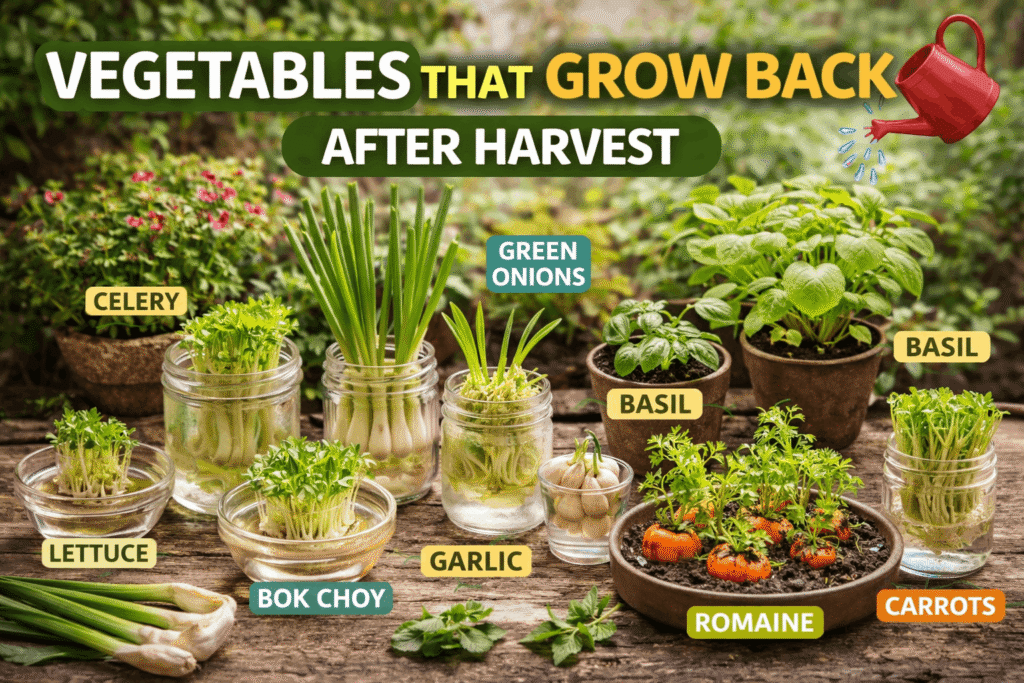
Why Some vegetables that grow back after harvest
Vegetables that regrow share one important feature: their central growing point remains alive after harvesting.
Instead of putting all their energy into forming one final head, these plants keep producing new growth from:
- a central crown
- basal growth nodes
- inner leaf centers
When only mature outer leaves are removed, the plant simply replaces them. This natural system is often called:
- cut-and-come-again gardening
- regenerative harvesting
- continuous vegetable production
This method works especially well in:
- small home gardens
- raised beds
- container gardens
- balcony and terrace gardens
Understanding spacing and root depth is important when using this method, which is why following container gardening basics for beginners helps prevent stress that can stop regrowth.
Green Onions (Spring Onions / Scallions)
Green onions are one of the easiest and most forgiving vegetables that grow again after harvest.
How to harvest
Cut the green tops about one inch above the soil. Never pull out the bulb if you want regrowth.
How fast they regrow
Fresh shoots usually appear within 5–7 days and can be harvested again in about two weeks.
Green onions are also popular for regrowing vegetables from kitchen scraps and grow well on sunny windowsills.
For neat, damage-free cutting, many gardeners prefer micro-tip pruning scissors for frequent harvests.
Lettuce (Loose-Leaf Varieties)
Loose-leaf lettuce is one of the best vegetables for repeated harvesting.
Best lettuce types for regrowth
Loose-leaf, romaine, butterhead, and oakleaf lettuce varieties regrow well.
Correct harvesting method
Remove only the outer leaves and always leave the center crown untouched.
How many times lettuce grows back
In cool weather, a single lettuce plant can produce three to four harvests before slowing down.
Lettuce prefers mild temperatures and grows best with other cool-season crops. For containers and raised beds, fabric grow bags for vegetables help maintain good drainage and root health, supporting repeat harvests.
Spinach
Spinach is a fast-growing leafy green that regrows beautifully when harvested properly.
Proper harvesting method
Cut outer leaves close to the base while keeping the central crown intact.
Spinach usually regrows within 7–10 days if watered immediately after harvesting.
Many gardeners accidentally stop regrowth by cutting the center, which is why learning how to harvest spinach so it keeps growing is essential.
For longer harvest periods, varieties discussed in how to grow perpetual spinach continue producing leaves well beyond traditional spinach types.
Kale
Kale is one of the most reliable vegetables that grow again after harvest.
How to harvest kale
Harvest older leaves from the bottom first and allow the plant to grow upward. Never cut the top growing point.
Why kale keeps producing
As long as the central crown remains healthy, kale continues producing fresh leaves for several months.
Kale performs exceptionally well for gardeners growing leafy greens in small spaces, including raised beds and pots.
Swiss Chard
Swiss chard is extremely forgiving and produces for a long season.
Harvesting method
Cut outer stalks one to two inches above the soil while leaving inner leaves intact.
Swiss chard tolerates heat better than most leafy greens. Gardeners who enrich soil using how to make compost at home naturally often notice faster regrowth and thicker leaves.
Celery
Celery regrows more slowly than leafy greens but remains productive with patience.
How to harvest celery
Remove outer stalks first and protect the inner heart.
Celery prefers deep containers and consistently moist soil. Those growing celery in pots benefit from revisiting container gardening basics for beginners to avoid shallow rooting problems.
Bok Choy (Pak Choi)
Bok choy is an excellent regrowing vegetable in cool weather.
How to harvest
Remove outer leaves or cut the plant slightly above the soil line.
Regrowth time
New leaves appear within two to three weeks, especially during spring and fall.
Mustard Greens
Mustard greens grow quickly and recover rapidly after harvest.
How to harvest
Remove mature outer leaves while letting the center continue growing.
Light feeding and steady watering after harvest encourage tender, continuous regrowth.
Collard Greens
Collard greens behave similarly to kale and offer long harvest windows.
Harvesting method
Pick lower leaves first and allow the central stem to grow upward.
With proper care, collards remain productive for months.
Basil (Regrows Like a Vegetable)
Although basil is technically an herb, it regrows like leafy vegetables.
Correct cutting method
Always cut just above a leaf node to encourage branching.
Learning herb pruning techniques helps basil grow bushier and more productive. For clean, precise cuts, many gardeners rely on a stainless steel hand pruner.
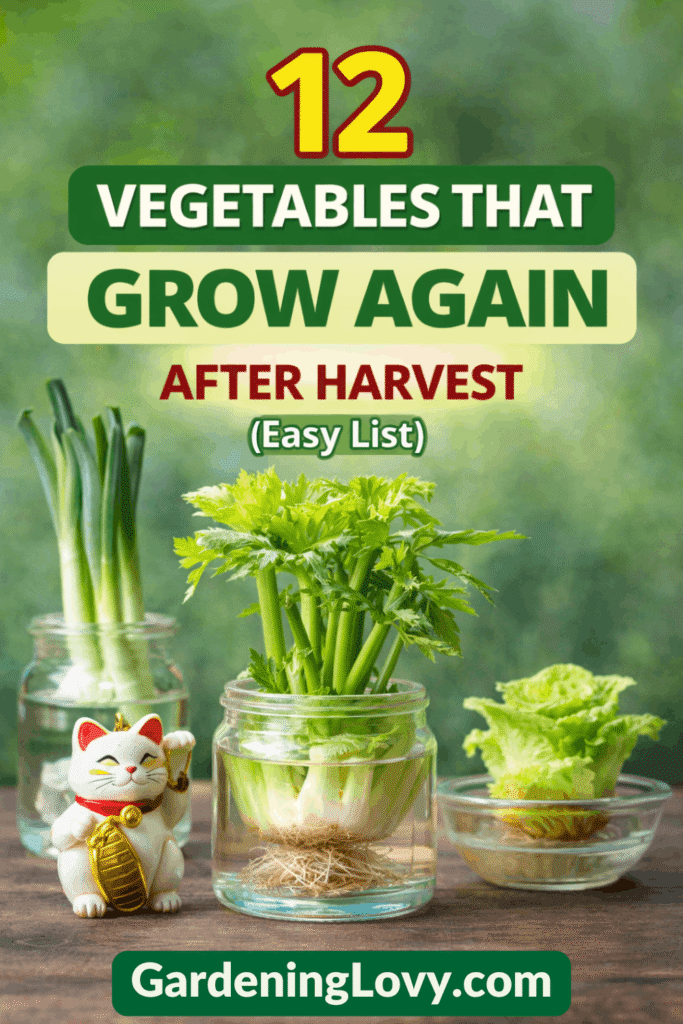
Additional Vegetables That Regrow After Harvest
Beet Greens
Harvest outer leaves only and leave the center intact. The root stores energy, allowing repeated leaf growth.
Turnip Greens
Cut mature leaves while preserving the crown. Turnip greens regrow quickly in cool weather.
Fenugreek (Methi)
Cut stems two inches above the soil. New shoots emerge rapidly and are ideal for container gardening.
Common Mistakes That Stop Vegetables from Growing Again
Many gardeners unintentionally stop regrowth by:
- cutting too close to the soil
- harvesting all leaves at once
- skipping watering after harvest
- ignoring soil nutrition
Plants need enough healthy leaf area to rebuild energy and continue producing.
How to Encourage Faster Regrowth Naturally
To keep vegetables producing longer:
- harvest lightly but regularly
- water immediately after cutting
- mulch to protect roots
- replenish soil nutrients
Healthy soil and consistent care matter more than heavy fertilizers.
Can These Vegetables Grow Back Indoors?
Yes. Many vegetables regrow indoors if they receive:
- bright indirect light
- well-draining containers
- moderate, consistent watering
Green onions, lettuce, spinach, and basil perform especially well when following indoor vegetable gardening ideas.
Harvest Scheduling: When to Cut for Maximum Regrowth
One of the most overlooked aspects of cut-and-come-again gardening is timing. Even regrowing vegetables can slow down if harvesting is done too early or too aggressively.
Best time of day to harvest
Early morning is ideal. Leaves are fully hydrated, temperatures are lower, and plants recover faster after cutting. Harvesting during hot afternoons increases stress and slows regrowth.
How often to harvest
Most regrowing vegetables follow this rhythm:
- fast growers (spinach, lettuce, mustard greens): every 7–10 days
- medium growers (kale, Swiss chard, collards): every 10–14 days
- slow growers (celery, bok choy): every 14–21 days
Sticking to a consistent harvest schedule trains the plant to keep producing instead of preparing to flower.
How Much to Harvest Each Time (The One-Third Rule)
A simple rule keeps regrowth strong: never harvest more than one-third of the plant at a time.
Why this matters:
- plants need remaining leaves to photosynthesize
- removing too much forces the plant into survival mode
- repeated overharvesting leads to bitterness and early bolting
For leafy greens like lettuce and spinach, harvesting smaller amounts more frequently is far better than large single harvests.
Using sharp, precise tools like micro-tip pruning scissors or a stainless steel hand pruner ensures clean cuts that heal quickly and reduce disease risk.
Watering After Harvest: The Most Critical Step
Many gardeners forget that harvesting itself is a form of stress.
Immediately after cutting:
- water deeply at the base
- avoid overhead watering if weather is hot
- ensure soil drains well
Plants regrow fastest when water reaches roots quickly. This is especially important for container-grown vegetables.
Gardeners using fabric grow bags for vegetables often notice faster recovery because excess water drains while roots stay oxygenated.
Feeding Regrowing Vegetables Without Overfertilizing
Regrowing vegetables need nutrients, but heavy feeding can backfire.
Best feeding approach
- light compost top-ups every 2–3 harvests
- diluted liquid compost or vermicompost tea
- avoid high-nitrogen chemical fertilizers
Soil enriched gradually using how to make compost at home naturally supports consistent regrowth without forcing weak, watery leaves.
Flavor Improvement in Cut-and-Come-Again Crops
Repeated harvesting does more than increase yield—it often improves taste.
Why flavor improves:
- younger leaves are more tender
- bitterness is reduced when plants are harvested early
- stress-free plants accumulate better nutrients
This is why baby kale, young spinach, and freshly cut mustard greens taste sweeter than mature leaves.
To maintain flavor:
- harvest before leaves become oversized
- avoid letting plants dry out between cuts
- maintain consistent light exposure
Using Regrowth Vegetables in Meal Planning
One major benefit of growing vegetables that regrow is predictability.
Instead of harvesting everything at once, regrowth allows:
- fresh greens every week
- smaller, more frequent meals
- less food waste
Examples:
- spinach and lettuce for weekly salads
- kale and chard for stir-fries and soups
- green onions and basil as daily toppings
This system makes small gardens far more practical for everyday cooking.
Regrowing Vegetables in Small and Balcony Gardens
Balcony and terrace gardens benefit the most from regenerative harvesting.
In limited spaces:
- grow fewer plants
- harvest more often
- focus on regrowth rather than volume
Leafy greens, herbs, and green onions are ideal choices. Planning sunlight, container depth, and spacing using how to set up garden in apartment balcony prevents crowding and weak growth.
Indoor gardeners can apply the same method year-round by following indoor vegetable gardening ideas, especially for greens and herbs near windows.
When to Stop Harvesting and Replant
Even regrowing vegetables have a natural limit.
Signs it’s time to replace the plant:
- leaves become consistently bitter
- regrowth slows dramatically
- plant starts flowering heavily
- stems become woody
At this stage, remove the plant, refresh soil with compost, and replant. Healthy soil ensures the next cycle is even more productive.
Long-Term Benefits of Grow-Once-Harvest-Many Gardening
Over time, gardeners who practice regenerative harvesting notice:
- fewer pest problems
- lower seed costs
- better soil structure
- stronger root systems
- more consistent yields
Gardens become easier to manage and far more rewarding, especially for busy home gardeners.
Are Regrown Vegetables Safe to Eat?
Yes. When grown in healthy soil and harvested properly, regrown vegetables are safe and nutritious.
Leafy vegetables regrow best when the central growing point remains intact during harvesting.
Final Thoughts
Vegetables that grow again after harvest completely change how you garden.
- You plant less.
- You harvest more.
- You reduce waste.
- You save money.
- You enjoy fresh produce for longer.
Whether you grow in a backyard, raised beds, containers, or a small balcony, regenerative harvesting allows every plant to reach its full potential.
Plant once. Harvest again and again.

I am an enthusiast who loves plants very much and I do a lot of research online as well as outside in gardens and nurseries. I also strive to be as accurate as possible in my research and my articles. I have been involved in gardening for a long time and truly enjoy it. Know more about me About. You can also join me Here.