
Are you looking for quick methods to learn how to grow hydroponic strawberries? Then read all about it here, the best methods and seeds you need.
Strawberry is everyone’s favorite fruit because of its distinct fragrance, vibrant red color, and delectable flavor.

They are crimson in color, tasty, and conical in shape. Growing them using hydroponics is more enjoyable than stressful!
To reap the most health benefits from strawberries, we must learn how to grow Hydroponic Strawberries in our farming field, as they are high in antioxidants, and vitamins, particularly vitamin C and fiber.
Strawberries can be grown using most Hydroponics techniques, and many farmers prefer Aeroponics and DWC.
But we will discuss NFT and Ebb and flow in detail to grow strawberries using them on our farms due to their wide popularity and simple approach.
Quick Answer
Hydroponic strawberries are grown without soil using a nutrient-rich water solution. The best methods include NFT and Ebb & Flow, with harvest possible in 90–120 days.
Why Grow Strawberries Hydroponically?
Let me keep this real — hydroponics is not just “modern gardening,” it actually solves many common problems.
Key Benefits
- Faster growth compared to soil
- No soil pests or weeds
- Uses less water (recycled system)
- Cleaner, healthier fruits
- Perfect for small spaces & indoor growing
Hydroponics vs Soil Growing (Quick Comparison)
| Feature | Hydroponics | Soil Growing |
|---|---|---|
| Growth Speed | Fast (3–4 months) | Slow (6–12 months) |
| Water Usage | Low (recycled) | High |
| Pest Issues | Minimal | Common |
| Space Required | Less (vertical possible) | More |
| Maintenance | Technical | Simple |
Why is NFT a Better Approach to Grow Hydroponic Strawberries?
Why I Like NFT
- Low cost setup
- Continuous nutrient flow
- Great for beginners
How It Works
- Plants sit in channels or pipes
- Nutrient solution flows continuously
- Excess drains back to tank
👉 Think of it like a loop system.
NFT System Overview
| Component | Purpose |
|---|---|
| Reservoir Tank | Holds nutrient solution |
| Pump | Circulates water |
| Grow Channels | Holds plants |
| Net Pots | Supports roots |
Pros & Cons
Pros:
- Efficient water usage
- Faster growth
- Easy to scale
Cons:
- Requires monitoring pH & EC
- Pump failure risk
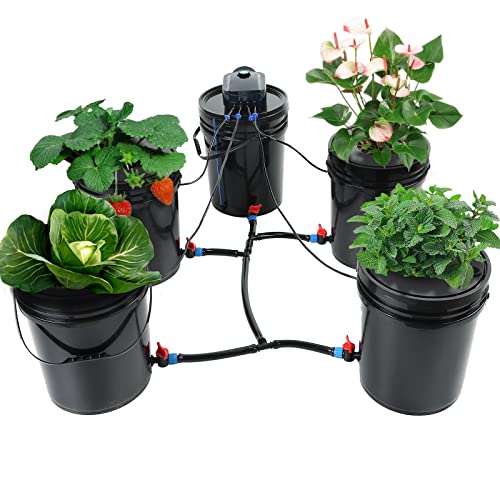
Why Ebb and Flow is a Better Approach to Grow Hydroponic Strawberries?
This is actually one of the most flexible systems.
Why Many Growers Prefer It
- Better oxygen supply to roots
- Controlled nutrient cycles
- Lower risk of root rot
How It Works
- Tray floods with Nutrient water
- Roots absorb nutrients
- Water drains back
Ebb & Flow Setup
| Component | Purpose |
|---|---|
| Grow Tray | Holds plants |
| Timer | Controls flooding |
| Pump | Moves water |
| Reservoir | Stores nutrients |
Pros & Cons
Pros:
- Easy to automate
- Strong root growth
- Less constant monitoring
Cons:
- Slightly higher setup cost
- Needs timer accuracy
Also, read- How To Get Rid Of Strawberry Bugs
Best Growing Medium for Hydroponic Strawberries
This part matters more than people think.
Top 3 Growing Mediums
| Medium | Best For | Benefits |
|---|---|---|
| Hydroton Clay Pebbles | NFT & Ebb Flow | pH neutral, reusable |
| Coco Coir | Beginners | High water retention |
| Rockwool | Seed starting | Excellent aeration |
My Recommendation
👉 If you’re starting:
- Use coco coir or Hydroton
They’re the easiest to manage.
Benefits of Freshly Grown Hydroponic Strawberries
You will not have to worry about any soil-based bugs or flying pests because it is grown in a nutrient solution rather than soil, making it healthier for consumers.
Hydroponics Strawberries are grown in vertical and horizontal ways over each other in different growing pots; thus, it saves a lot of space than other methods of farming it.
These strawberries are cultivated with less water but are still juicy, as they are grown in a water-efficient way because farmers recirculate the same nutrient-rich water rather than wasting fresh water by continuous supply like traditional farming.
Best Strawberry Varieties for Hydroponics
Not all strawberries grow well in hydroponics.
Top Varieties
| Variety | Facts | Best For |
|---|---|---|
| Albion | Sweet & large | High yield |
| Seascape | All-season fruiting | Beginners |
| Quinault | Self-pollinating | Easy setup |
| Camarosa | Heat tolerant | Warm climates |
| Tribute | Fall harvest | Continuous supply |
Limitation of Freshly Grown Hydroponic Strawberries
They are costly compared to traditionally grown strawberries as the cost setup is more, but when they provide more nutritious strawberries, it’s not that big an issue.
They need dedicated and educated personnel to control and monitor operations, as it seems to be an automatic way of farming.
But in farming, we have to be alert, either in modern or traditional methods, to secure our crops from unknown and known dangers.
Basic Requirements for Growing Hydroponic Strawberries
Before selecting a method to grow hydroponic strawberries, we must arrange a few basic things for its farming. These are as follows.

We Need to Select Best Growing Medium
Three types of growing medium are believed to be best for Hydroponic farming strawberries:
- Hydroton Clay pebbles: They appear as small clay balls and are famous due to their expanding properties. They can retain nutrient water which strawberries’ plant roots can easily absorb.
They can provide airflow to our strawberry plants. They are also balanced in p.H, so they don’t affect the p.H of the nutrient solution in the draining process.
- Coco coir: They are naturally fibrous and lighter in weight than other mediums. They have excellent water retention ability, which makes them a suitable medium for growing our juicy strawberries. They are costly and help aerate the soil, promoting root growth.
- Rockwool: They are produced when at very high temperatures, basaltic rock is melted and then turned into fine fiber by spinning. As they are made with rock, they don’t spoil quickly and can be reused again.
Rockwool drains excess water fast and stores sufficient water due to its unique fibrous structure. As water is at the bottom of the medium, our strawberries’ plant roots can quickly obtain oxygen and promote their growth.
We Need to Germinate Strawberries Seeds
Start germination by soaking your Rockwool cube or slab with water, then place 1 strawberry seed in each cube. Keep them covered in a well-lighted room or near your windows so sunlight can reach them.
They take 1 week to 6 weeks, depending on climate, to germinate. You can also purchase them from the market or online from a reasonable vendor for quicker harvesting.
Best Strawberry Seeds or Seedlings Available in the Market for Hydroponic System

| Quinault: they are self-pollinated and bloom in spring |
| Mara de Bois: they are sweeter in taste and bloom in spring/summer |
| Seascape: they are juicy, firm strawberries and bloom throughout the season |
| Tribute: they are medium to large size strawberries harvested in the fall |
| AC Wendy: fresh and tasty strawberries famous for higher yield |
| Camarosa: medium to large size, best to grow in warmer countries |
| Albion: they have high sugar content and are very big in size |
We Need to Prepare Nutrient Solution
Liquid fertilizer with Nitrogen, Phosphorus, and Potassium as major nutrients in a ratio of 4:3:6 or 10:10:10 is preferred with trace minerals like magnesium, calcium, sulfur, etc. to grow the best hydroponics strawberries. p.H of the nutrient solution needs to be 5.5 to 6.5.
Mix the liquid fertilizer like 10 milliliters in 4.5 liters of water or, as suggested by the supplier, prepare nutrient water in your nutrient tank.
Oxygenate the water by bubbling air through it by placing air pumps inside nutrient reservoirs.
The flow of nutrient water to our growing field using a water pump and timer needed to be 1.6 l/m.
1. Sunlight Requirement
Make sure your seedling receives sunlight for 8 to 10 hours every day.
2. The Temperature of the Hydroponics System and Nutrient Solution
The ideal temperature for this is 18 to 27 degrees centigrade.
3. Pollination
As the strawberry plant is also a flowering plant, we need to pollinate its flowers so they can develop into plants.
Naturally, this task is done by pollinators, and some strawberry varieties are self-pollinated.
We can optimize this process in hydroponics by shaking strawberry plant flower stamen so pollen can reach the plant ovary and fertilize it into fruit.
Steps of Hydroponic Strawberries Farming using NFT
Once your seedlings are developed, transfer them to the grow tray containing your chosen medium in net pots. I prefer Hydroton Clay pebbles as they are p.H neutral and retain water for a longer duration.
- Start supplying your nutrient-rich water in continuous cycles.
- Plant roots after absorbing water will drain excess, which will recycle into the nutrient tank.
- Change your nutrient solution every 2 to 3 weeks or every 5 to 6 days and keep their p.H under 6.5 for optimum growth.
Steps of Hydroponic Strawberries farming using Ebb and Flow
Hereafter transferring the seedlings into grow tray, we will set the timer to flood our strawberries’ seedling roots with nutrient-rich water.
I prefer Hydroton Clay pebbles for Ebb and flow as well as they are p.H neutral and absorb nutrient water as much as it is required by strawberry seedlings to grow.
A timer is mandatorily used here along with pumps to regulate the periodic flow of our solution.
Nutrient-rich water is directly supplied to roots to absorb the desired nutrients and drain excess nutrients from their roots.
Weekly or bi-weekly, change your nutrient solution and maintain their p.H under 6.5 for optimum growth. Ensure air is mixed in our nutrient solution, so our strawberries can grow quickly.
How I Grow Hydroponic Strawberries (generic Way)
Step 1: Germinate Seeds or Buy Seedlings
You have 2 options:
- Seeds (cheaper but slower)
- Seedlings (faster results)
👉 Personally, I prefer seedlings for faster harvest.
Step 2: Prepare Nutrient Solution
This is where most beginners mess up.
Ideal Nutrient Mix
| Element | Role |
|---|---|
| Nitrogen (N) | Leaf growth |
| Phosphorus (P) | Root & fruit |
| Potassium (K) | Overall health |
👉 Recommended ratio:
- 10:10:10 OR 4:3:6
Key Parameters
| Factor | Ideal Range |
|---|---|
| pH | 5.5 – 6.5 |
| EC | 1.2 – 1.8 |
| Water Temp | 18–27°C |
Step 3: Set Up Your System
- Place plants in net pots
- Add growing medium
- Start nutrient flow
Step 4: Light & Temperature
- 8–10 hours sunlight
- Or use grow lights indoors
Step 5: Pollination (Important)
Since no bees indoors:
👉 Gently shake flowers or use a brush
Step 6: Maintain System
- Check pH regularly
- Replace nutrient solution every 2–3 weeks
- Ensure oxygen (air pump)
Harvest Time
Here’s the exciting part.
| Stage | Time |
|---|---|
| Germination | 1–6 weeks |
| Growth | 60–90 days |
| Harvest | 90–120 days |

Common Problems (And How I Fix Them)
1. Yellow Leaves
👉 Cause: Nutrient deficiency
👉 Fix: Adjust solution
2. Root Rot
👉 Cause: Poor oxygen
👉 Fix: Add air pump
3. No Fruits
👉 Cause: No pollination
👉 Fix: Manual pollination
FAQS of How to Grow Hydroponic Strawberries
Q: How Are Hydroponic Strawberries Better Than Soil-Based Strawberries?
Yields are greater and faster when we use hydroponics to grow strawberries.
Q: Are Hydroponic Strawberries Taste Differently?
They have the same taste as traditional strawberries but are healthier for us because of their high nutrient value.
Q: Do Strawberries Grow Faster In Hydroponics?
Yes, they grow in 3-4 months using hydroponics compared to the 9-12 months of harvesting time of traditional farming of strawberries.
Q: Which Growing Medium Is Best For Growing Hydroponic Strawberries?
We can use Rockwell cubes, Hydroton Clay pebbles, and Coco coir for growing the best hydroponic strawberries.
Q: Do strawberries grow faster in hydroponics?
Yes, they grow faster (3–4 months vs 9–12 months in soil).
Q: Are hydroponic strawberries healthy?
Yes, they are rich in nutrients and free from soil contaminants.
Q: What is the best hydroponic system for strawberries?
NFT and Ebb & Flow are the most effective and beginner-friendly.
Q: Can I grow strawberries indoors hydroponically?
Yes, with proper lighting and temperature control.
Final thoughts:
Hydroponics strawberries are free from soil and pest diseases.
To grow full of nutrition and tasty strawberries, we must know how to grow Hydroponic strawberries to make your gardening valuable and successful in less time.

I am an enthusiast who loves plants very much and I do a lot of research online as well as outside in gardens and nurseries. I also strive to be as accurate as possible in my research and my articles. I have been involved in gardening for a long time and truly enjoy it. Know more about me About. You can also join me Here.