Green lemons not turning yellow are usually waiting on one thing: cool weather. Citrus peel changes color when nights turn cold, and that has little to do with sweetness. A full-sized green lemon can already be juicy inside.
The other common reasons are time (lemons can take up to a year to mature), a warm or humid climate, and a stressed tree. If the leaves are yellowing too, start with our guide to Meyer lemon leaves turning yellow.
As an Amazon Associate, Gardening Lovy earns from qualifying purchases. This doesn’t change what we recommend.
If your tree needs feeding: a slow-release citrus food such as Espoma Citrus-tone supplies nitrogen plus the minor nutrients citrus leaves need. It won’t color fruit by itself, but a healthy tree ripens its crop on time.
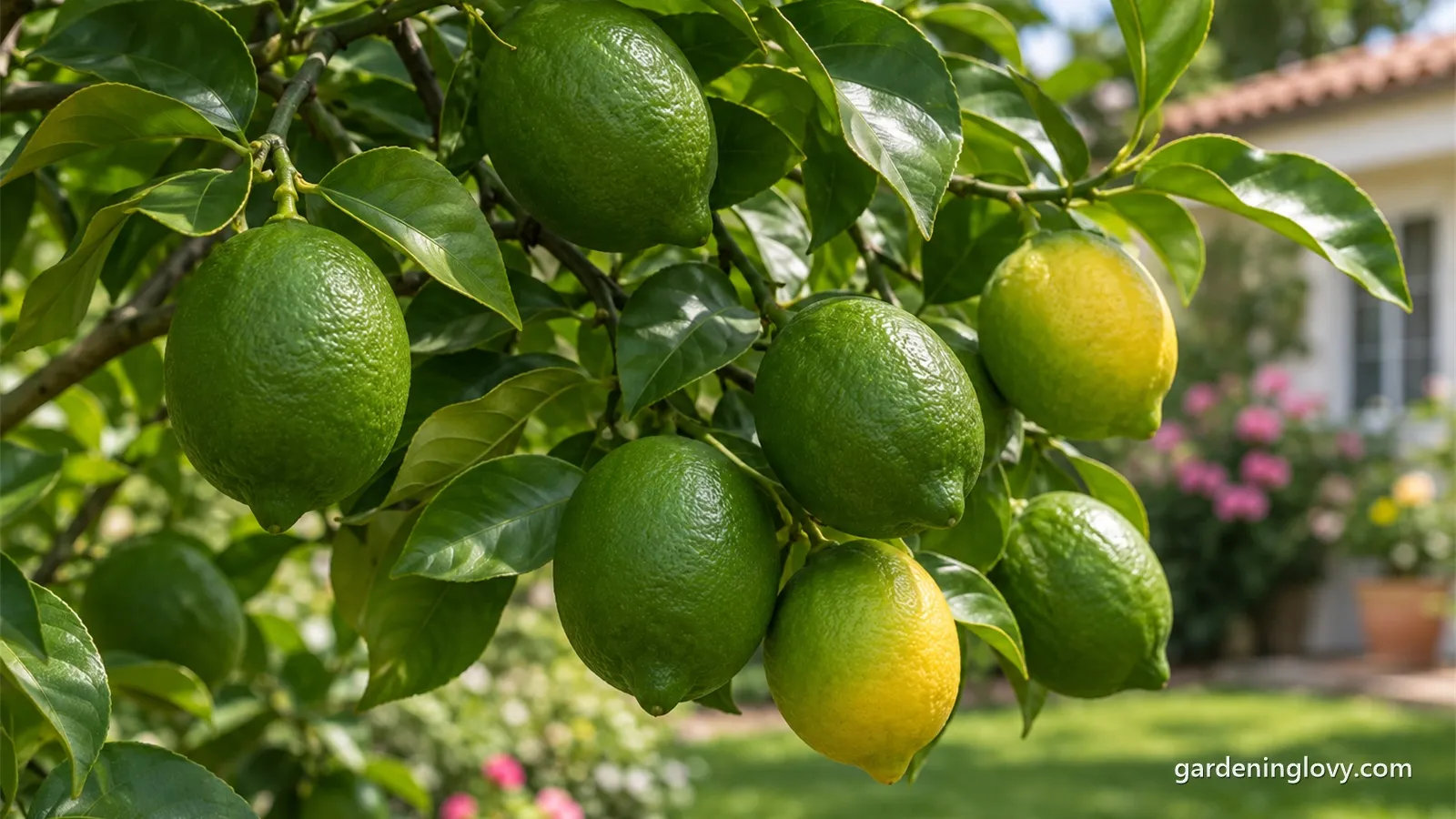
Why your lemons are still green: quick diagnosis
| What you notice | Most likely reason | What to do |
|---|---|---|
| Fruit small and hard | Simply not mature yet | Wait; lemons can take 4 to 12 months from flower |
| Full size, slight give, still green | Nights not cool enough | Pick and use, or wait for cooler weather |
| Fruit dull and greenish every year | Warm, humid climate | Judge by size, feel and juice, not color |
| Yellow fruit turning green again in summer | Regreening of ripe fruit | Harvest; the inside is still good |
| Indoor tree, fruit stuck green | Steady warmth, low light | Give bright light; a cooler room in fall helps |
| Huge crop, slow ripening | Heavy crop load | Be patient; thin tiny fruit next spring |
| Yellow leaves, small fruit | Water or nutrient stress | Fix watering and feed with a citrus fertilizer |
7 reasons green lemons don’t turn yellow
1. They aren’t mature yet
Lemons are slow. The time from flowering to harvest ranges from 4 to 12 months, depending on the variety, crop size, temperature and care.
Small, rock-hard green fruit is just young fruit. There is nothing to fix except your expectations.
2. The nights haven’t been cold enough
This is the big one. The green in lemon peel is chlorophyll, and it fades when the fruit feels cool night temperatures in fall and winter. Without that chill, a lemon can be fully grown and still green.
Extension citrus specialists put it simply: citrus turns color in fall when it is exposed to cold, and that color change does not make the fruit sweeter.
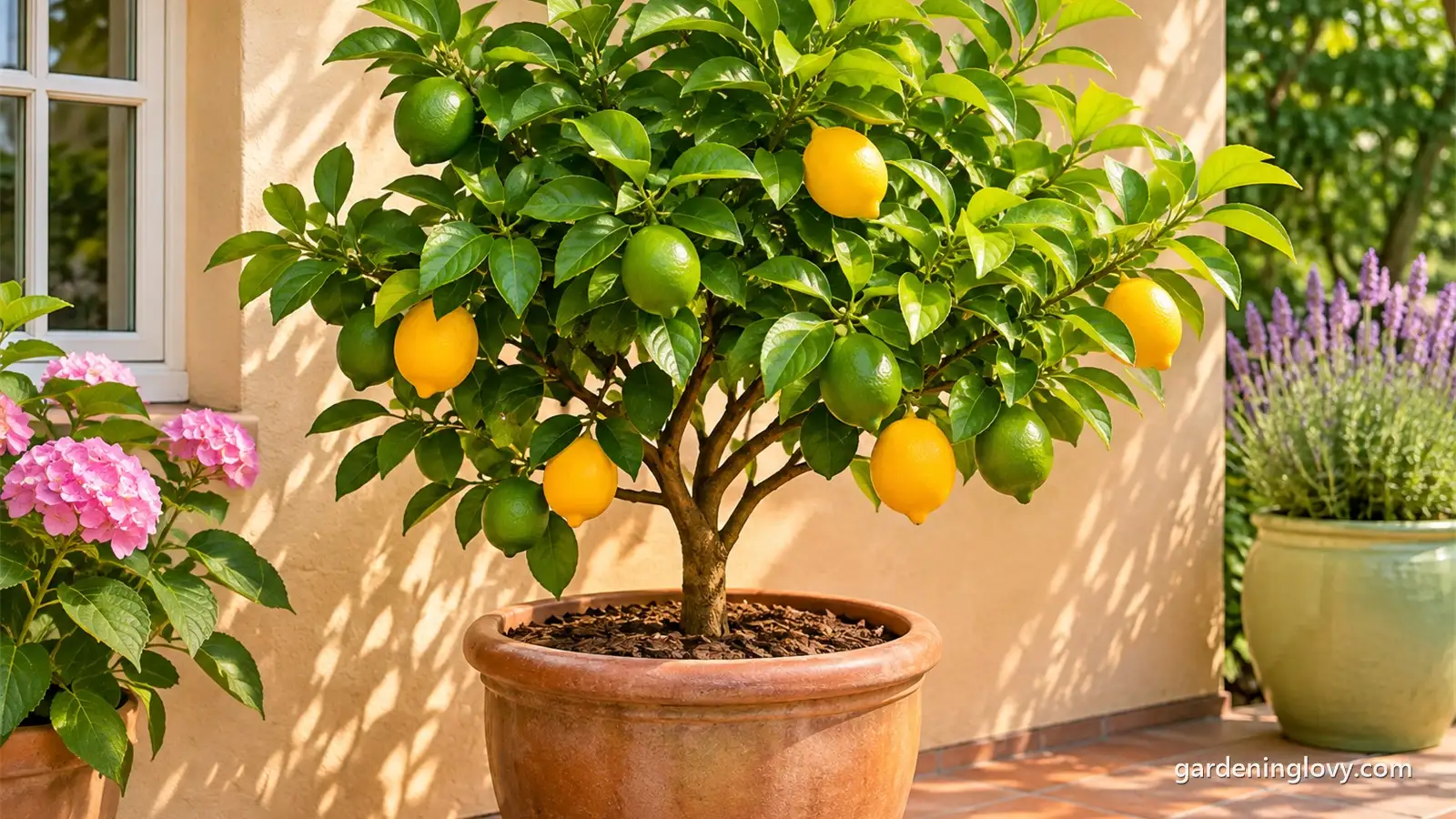
3. You live somewhere warm and humid
In Florida, the Gulf Coast, Hawaii or tropical Queensland, lemons may never get bright yellow. Fruit grown in humid areas often has duller color and a thicker, puffier peel than fruit from dry, Mediterranean-type climates like California’s.
In those places, treat color as a bonus. Size, feel and juice tell you more.
4. The tree is indoors or in a warm spot
A potted lemon kept in a heated living room never gets the cool nights it needs. It may also be short on light, which slows everything down.
Give it the brightest window you have. If your fall nights stay above freezing, a few weeks outdoors on a patio can help the color along. Our container gardening basics cover pot size and drainage.
5. The tree is carrying a heavy crop
Crop load is one of the factors that stretches ripening time. A branch bent with fruit shares the same water and nutrients among many lemons, so each one takes longer.
6. Water or nutrient stress
Drought, soggy roots or hungry soil slow fruit development. Signs include pale or yellow leaves, leaf drop and small fruit. Check whether you’re overwatering or underwatering before adding anything.
Lemons are heavy nitrogen feeders. If the soil is poor, see how to add nitrogen to soil or use a fertilizer made for citrus.
7. Ripe fruit is turning green again
Citrus left hanging well into summer can regain some green. UC IPM explains that in regreening, chlorophyll returns to the rind of ripe fruit. It’s mostly seen on Valencia oranges, and the fruit inside stays good.
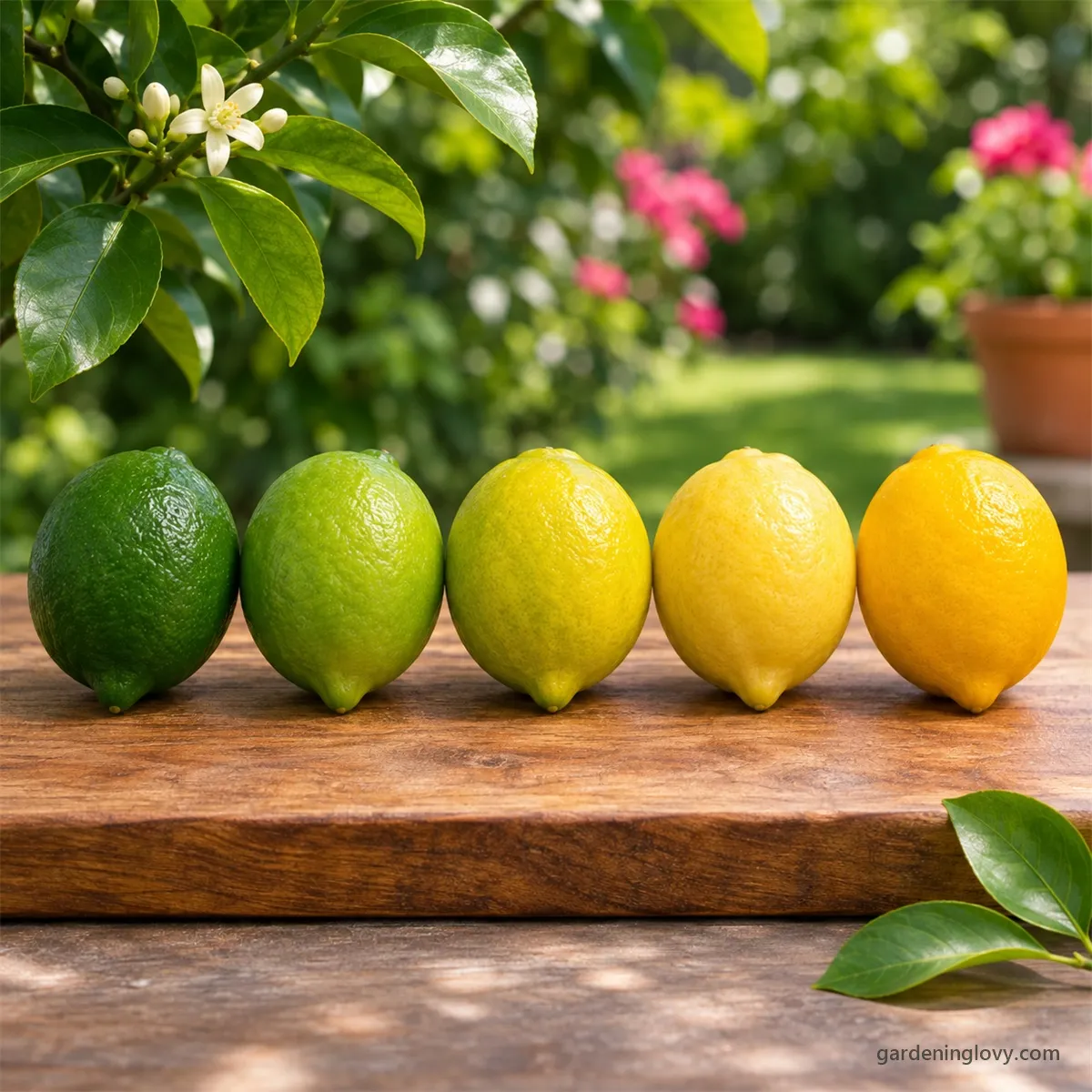
How to tell if a green lemon is ripe
Skip the color test. Use your hands and nose instead.
| Check | Ready to pick | Not ready |
|---|---|---|
| Size | Full size for the variety, like the biggest fruit on the tree | Clearly smaller than the rest |
| Feel | Firm with a slight give | Rock hard |
| Weight | Heavy for its size | Light and hollow-feeling |
| Skin | Smooth and glossy, lightening in color | Dark green and bumpy |
| Smell | Fragrant when you scratch the peel | Little scent |
| Test fruit | Juicy, sour but flavorful | Dry, pithy or harsh |
Not sure? Pick one and cut it. If it’s juicy, its neighbors of the same size are ready too.
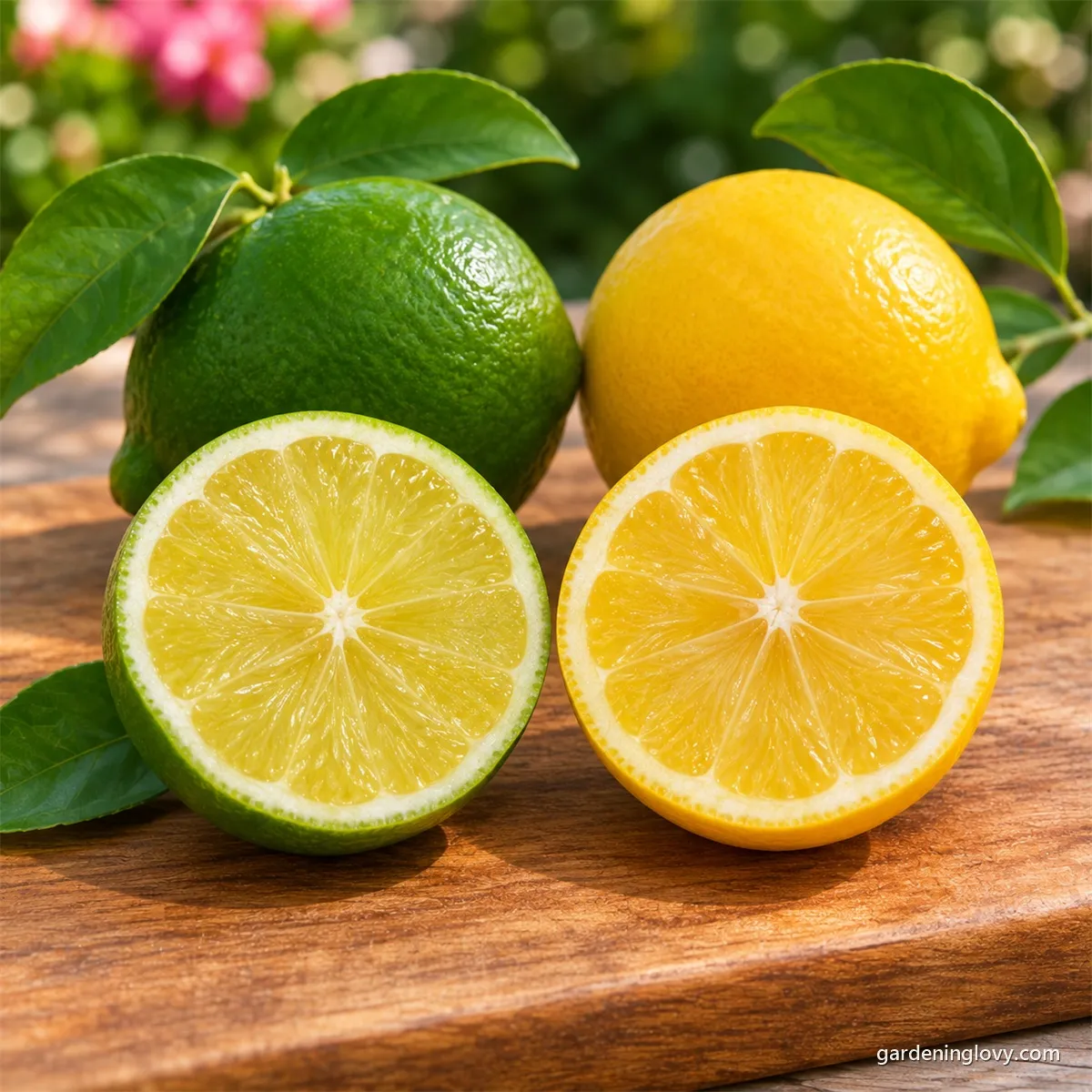
Will green lemons ripen after picking?
No. Citrus doesn’t keep ripening off the tree. Once picked, a lemon won’t get sweeter or juicier, though a lightly colored one may yellow a little more on the counter.
That’s why the UC Statewide IPM Program calls the tree the best place to store citrus.
Picked lemons keep about 4 to 6 weeks in the fridge, and the juice can be frozen for up to 4 months.
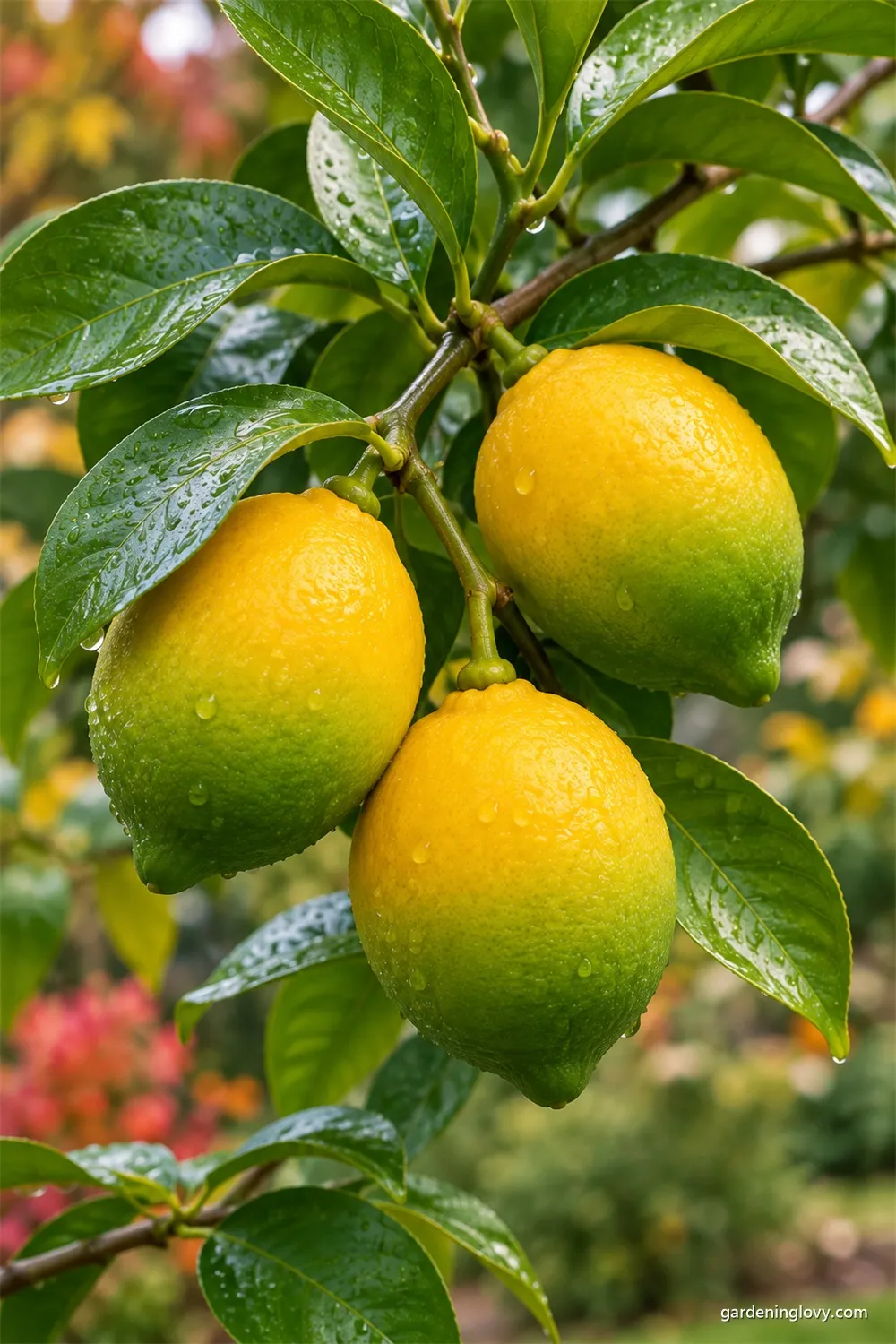
How to help lemons turn yellow on the tree
- Be patient through fall. Most color arrives with the first run of cool nights.
- Give full sun. Outdoors, at least 8 hours; indoors, your brightest window or a grow light.
- Water deeply, then let the top inch dry. Steady moisture beats feast and famine.
- Feed in the growing season with a citrus fertilizer; University of Florida IFAS Extension suggests 2 to 3 applications a year for mature lemon trees.
- Protect fruit from frost. Cool is good, freezing is not.
That last point matters. A UC Master Gardener answer warns that frozen citrus can become pithy and lose its juice, so cover the tree on freezing nights.
A breathable frost cloth row cover works well; see more ways to protect plants from frost.
When do Meyer lemons turn yellow?
Meyer lemons are a lemon and orange cross, so ripe fruit turns deep yellow to orange, not pale yellow. They’re ready when that color shows and the fruit is firm with a slight give and smells fragrant.
The heaviest Meyer harvest usually comes in late winter and spring. Picked green, they’re usable but much more acidic than a ripe Meyer’s mild flavor.
Green lemons vs yellow lemons
| Full-sized green lemon | Yellow lemon | |
|---|---|---|
| Juice | Often juicy already | Juicy |
| Flavor | Sharper, more acidic | Rounder, a little milder |
| Peel | Firmer, often more bitter zest | Fragrant, easy to zest |
| Best uses | Drinks, marinades, dressings | Baking, desserts, everything else |
Green lemons are safe to eat. They’re simply more sour, and a full-sized one squeezes into lemonade just fine.

Pests that slow a lemon tree down
A weak tree ripens fruit slowly. Sticky leaves and small bumps on stems often mean scale; here’s how to treat scale on plants. Scarred, silvery fruit skin can point to thrips.
Tools that help
Organic citrus fertilizer
Slow-release food for in-ground and potted lemon trees during the growing season.
Check price on Amazon
Frost cloth row cover
Lightweight fabric to drape over a lemon tree on freezing nights so fruit stays juicy.
Check price on AmazonFrequently asked questions
Do lemons turn yellow on the tree?
Yes, in most climates. The peel turns yellow on the tree as cool fall and winter nights break down the green chlorophyll. In warm or humid places the change can be slow or patchy, so a ripe lemon may stay partly green.
Can you eat green lemons?
Yes. Green lemons are safe to eat; they are just more acidic. A full-sized green lemon that feels heavy and gives slightly when squeezed is often juicy inside and works well in drinks, dressings and marinades.
How long does it take for a lemon to turn yellow?
From flower to harvest, lemons take roughly 4 to 12 months depending on variety, crop size, temperature and care. The final color change usually follows the first stretch of cool nights in fall.
Will green lemons turn yellow if I pick them?
They may yellow slightly on the counter, but they won’t get sweeter or juicier. Citrus does not keep ripening after picking, so leave lemons on the tree until they are full size and juicy.
How long can you leave lemons on the tree?
Several weeks to a few months after they ripen, which is why the tree is the best place to store them. Very old fruit can dry out, and frozen fruit turns pithy, so pick before a hard freeze.
Conclusion
Most green lemons aren’t a problem. They’re waiting for cool nights, or they’re already ripe in a climate that never gives them a yellow coat.
- Cool fall nights, not ripeness, turn lemon peel yellow.
- Lemons take 4 to 12 months from flower to harvest.
- Judge ripeness by size, slight give, weight and juice.
- Picked lemons don’t get sweeter, so store them on the tree.
If you only do one thing: pick one full-sized green lemon and cut it open before you worry.
Recommended reading
- Small orange fruits you can grow
- How to add calcium to soil
- How to use eggshells as fertilizer
- How to get rid of orange peel fungus

I am an enthusiast who loves plants very much and I do a lot of research online as well as outside in gardens and nurseries. I also strive to be as accurate as possible in my research and my articles. I have been involved in gardening for a long time and truly enjoy it. Read more about me and how I research my guides, or join me on Facebook.