
Designing a garden is a fun and rewarding task, but it requires some thought and planning.
A garden is more than just plants; it’s a space where you can relax, enjoy nature, and even entertain.
To make the most of your garden, it’s important to consider how everything works together.
Let’s dive into Designing a Functional Garden and pocket friendly as well. Key things like symmetry, balance, focal points, and flow are essential in creating a garden that looks good and works well.
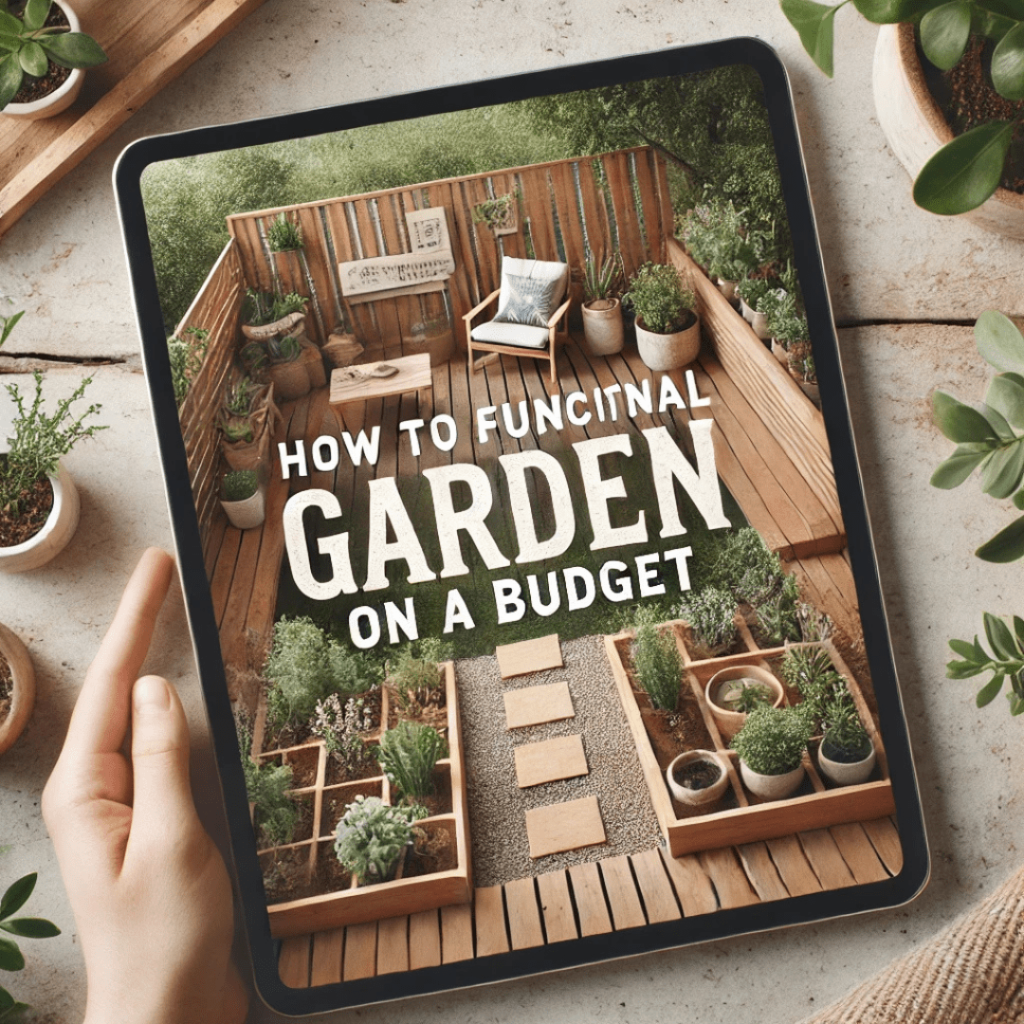
Designing a Functional Garden Steps
1. Symmetry in Garden Design
Symmetry is about creating a sense of balance by placing things in a way that mirrors each other. When used correctly, it can make your garden feel organized and calm.
Example: Think of a formal garden with a wide path leading to a fountain. On both sides of the path, you could plant the same kind of flowers or shrubs.
For instance, two rows of identical bushes or matching flower pots. This creates a clean, peaceful feeling as you walk through the garden.
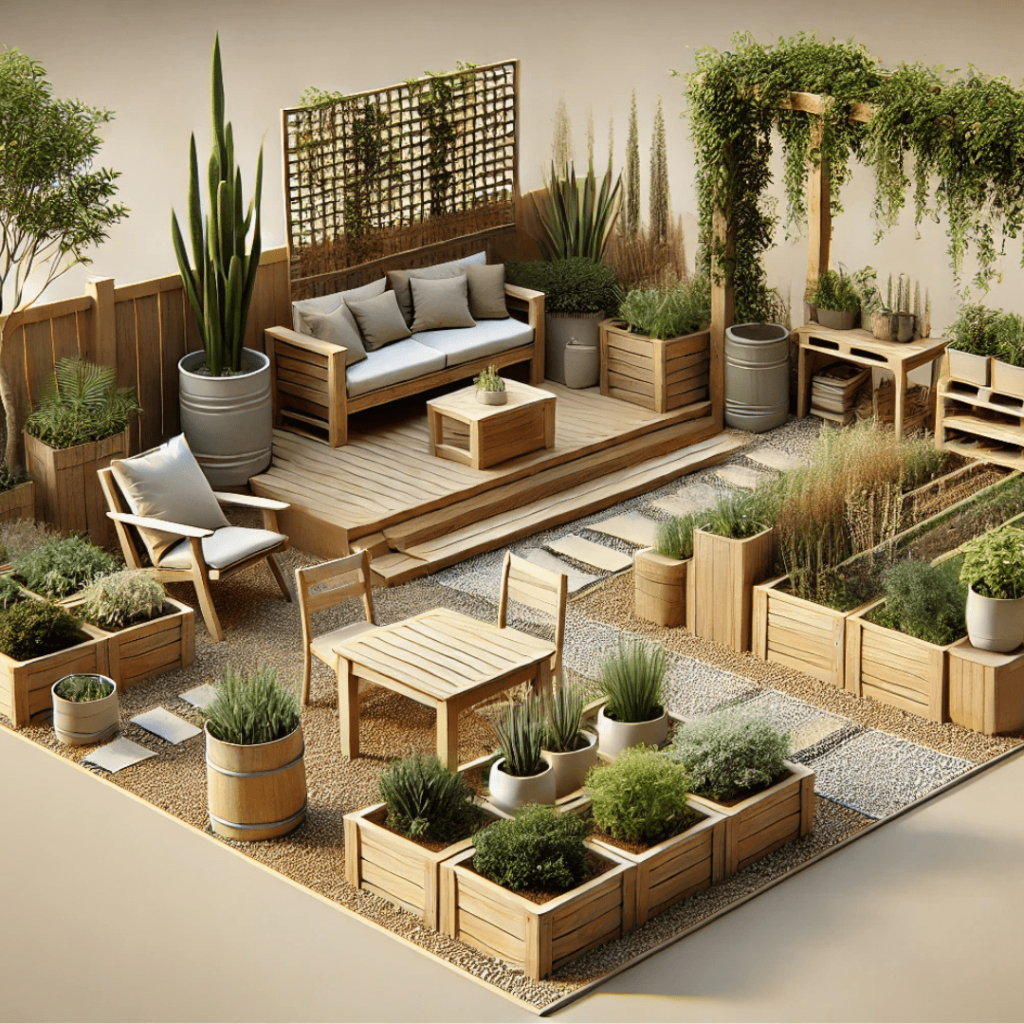
But, symmetry doesn’t always need to be perfect. Sometimes, a little imbalance can feel natural.
Example: In a garden that’s more relaxed, you could have a big tree on one side and smaller plants on the other side.
It’s not perfectly symmetrical, but it still feels balanced because the space doesn’t feel too heavy on one side.
2. Balance in Garden Layout
Balance is about making sure that no part of your garden feels too heavy or empty. It’s important to spread things out so everything feels equal.
There are two types of balance: formal and informal.
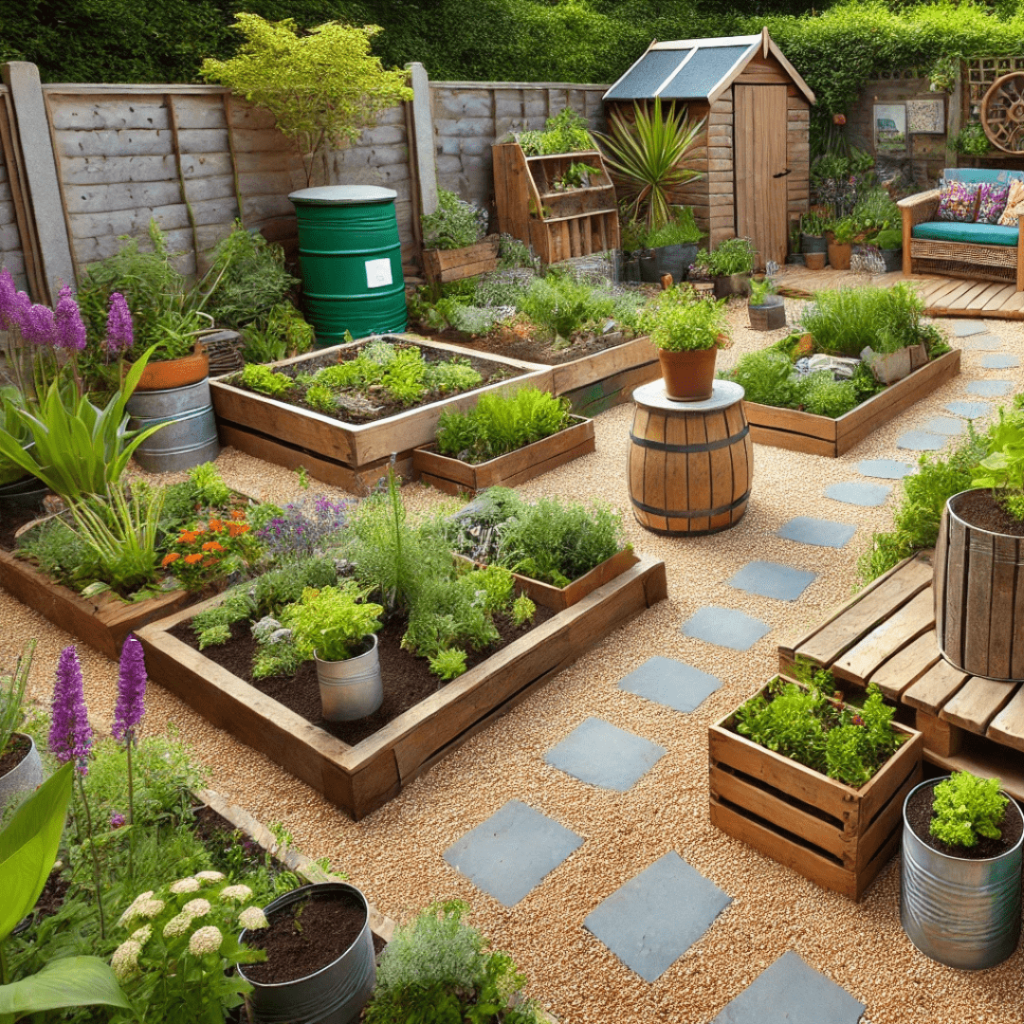
- Formal Balance: This is where you place the same items on both sides. It’s neat and creates a sense of order.
Example: In a front yard, you could plant two identical trees on each side of the front door, creating a balanced, symmetrical look.
- Informal Balance: This is when the items aren’t identical, but they still feel balanced because their size and weight are similar.
Example: You might plant a tall sunflower on one side of a flower bed and a group of smaller flowers on the other side. Even though they’re different, they still feel balanced because the tall flower on one side is balanced by the small flowers on the other.
Balance helps your garden feel calm and put-together, without one part feeling too crowded or too empty.
3. Focal Points: Creating Interest and Direction
A focal point is something in the garden that catches your eye. It’s the main thing you notice when you first walk into the space. Having a focal point helps make your garden feel more organized and gives people something to look at.
Example: Imagine a beautiful stone fountain in the middle of your garden. It’s the first thing people will notice as they walk in.
You might surround the fountain with flowers or small plants, but the fountain will always be the main attraction.
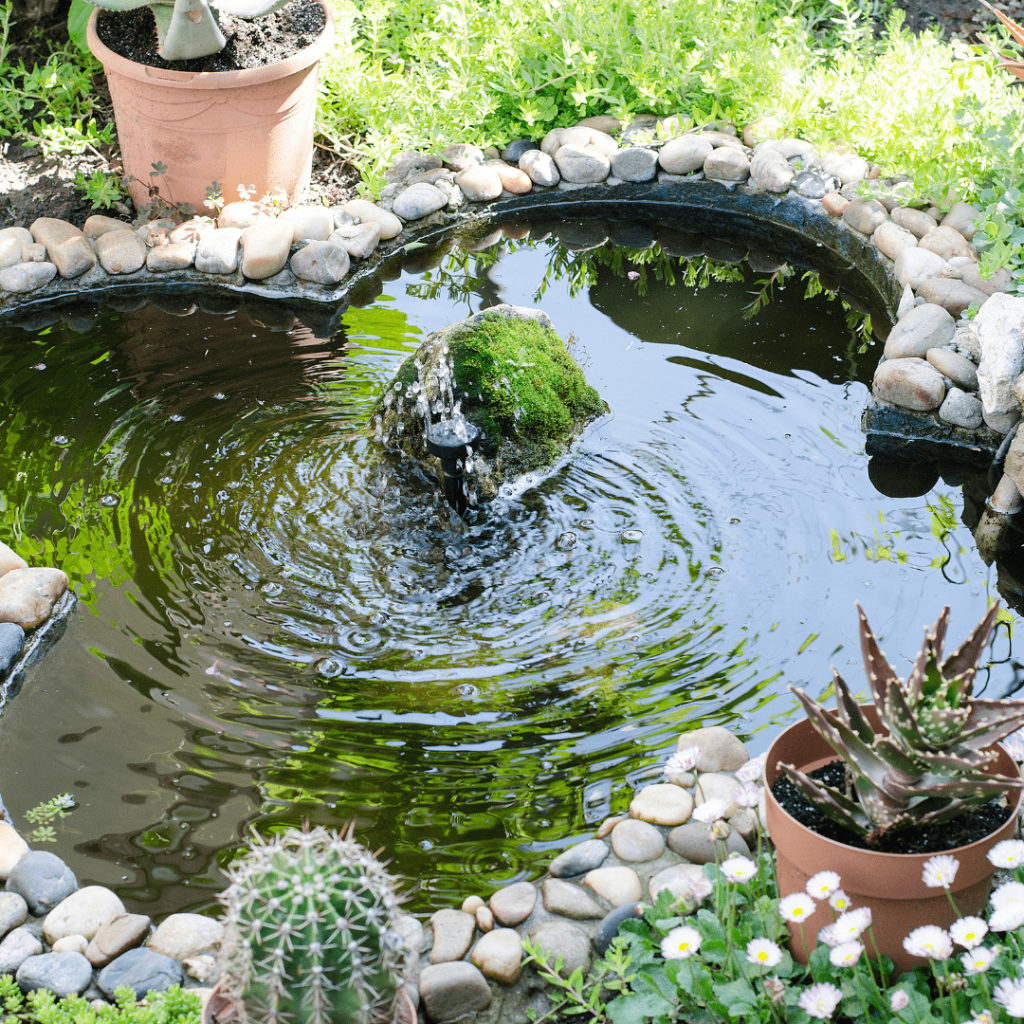
If your garden is bigger, you can have more than one focal point.
Example: In a larger garden, you might have a fountain in the center, a seating area with a statue, and a vegetable garden framed with trellises.
Each of these features draws attention, but they all work together to make the garden more interesting.
A focal point gives your garden structure and guides the eye to the main feature.
4. Flow and Movement in Garden Design
Flow is about how easy it is to move around your garden. It’s how the different parts of your garden connect and lead you from one space to another.
A garden with good flow feels inviting and makes you want to explore. Bad flow can make your garden feel cluttered and uncomfortable.
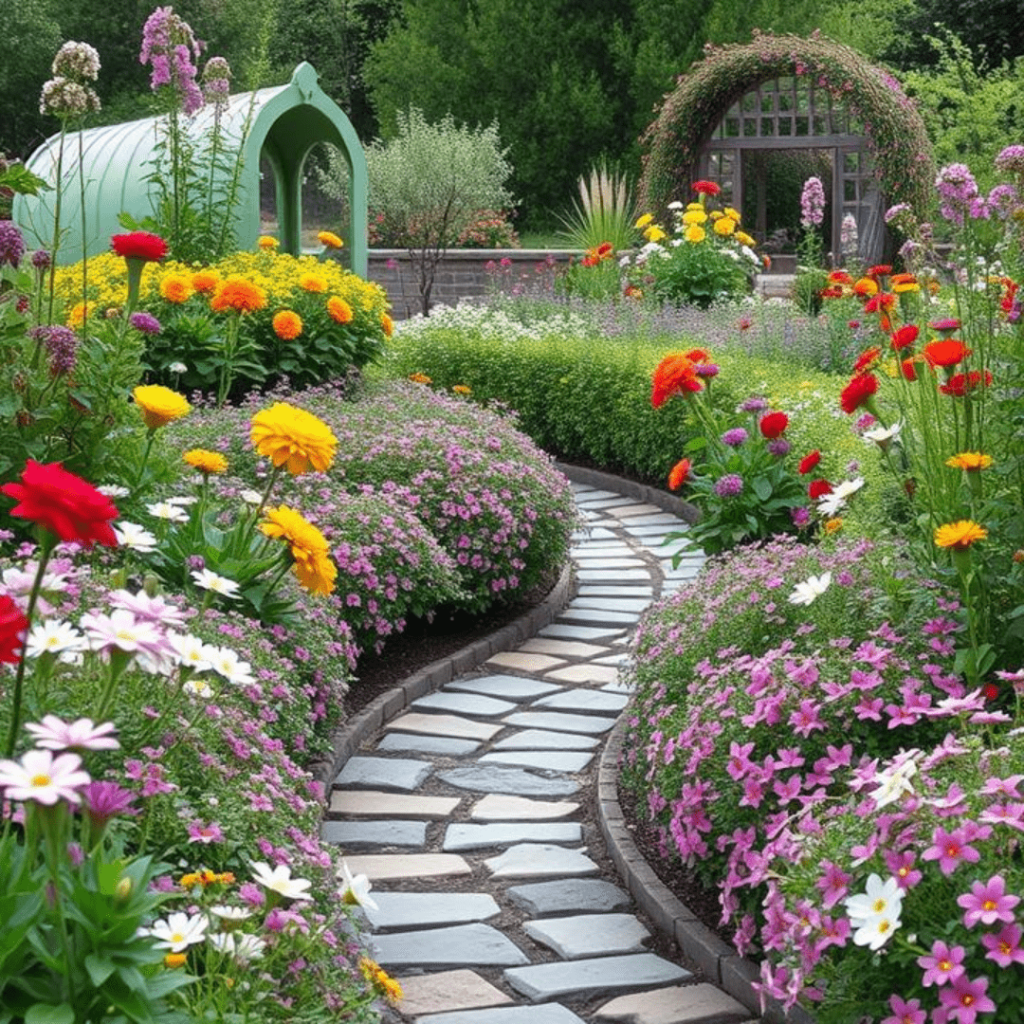
Example: Imagine walking along a curvy garden path that takes you through flowers and shrubs, leading to a quiet seating area.
The path naturally leads you through the garden, and you can’t wait to see what’s around the next corner. Curved paths make the garden feel more relaxed and fun to explore.
Flow can also come from how you place plants. If you group plants together based on their size and color, it will help guide people’s eyes through the space.
Example: In a garden, you could place taller plants, like sunflowers, at the back, and shorter flowers, like marigolds, in the front.
This gives the garden a sense of depth and flow as the plants lead your eyes from the back to the front.
5. Unity and Consistency
Unity is about making sure all the different parts of your garden come together as one. This means that all the plants, paths, and decorations should feel connected to each other, not random or disconnected.
Example: If you use the same kind of stone for your path, your raised beds, and your garden borders, it will tie everything together.
Similarly, if you choose flowers in similar colors, it will create a sense of harmony throughout the space.
Unity doesn’t mean everything has to be the same, but it should feel like all the elements belong together.
Example: If you’re designing a beach-inspired garden, using sea grasses, beachy sculptures, and simple, white furniture can create a unified, relaxing theme.
6. Scale and Proportion: Fitting the Elements to the Space
Scale and proportion are about choosing the right-sized plants, furniture, and features for your space. In a small garden, big trees or bulky furniture can feel overwhelming. In a big garden, small plants can look lost and insignificant.
Example: In a small garden, choose smaller plants, like dwarf shrubs or flowers, instead of towering trees.
This way, the space won’t feel cramped or crowded. For furniture, a small bistro table with two chairs might work better than a large dining table.
In a larger garden, you can go bigger with things like trees or larger garden statues. These bigger elements will fill the space and help the garden feel more balanced.
Example: If you have a large garden, you could use a bigger tree as a focal point and place a large seating area nearby.
This will make the space feel more proportionate and complete.
7. Practical Tips for Creating a Beautiful Garden
- Plan Ahead: Take time to sketch out your garden design before you start planting. This will help you figure out where everything will go and how the space will flow.
- Choose the Right Plants: Pick plants that will grow well in your climate. Make sure to choose a mix of colors, sizes, and textures to keep things interesting.
- Use Vertical Space: Use garden trellises, arbors, or fences to add height to your garden. This is especially useful in smaller spaces.
- Think About the Seasons: Pick plants that will bloom in different seasons, so your garden will look great all year round.
- Add Personal Touches: Add some unique decorations, like a birdbath, garden statues, or string lights. These personal touches make the space feel like your own.
Conclusion
Designing a garden doesn’t have to be complicated.
By focusing on basic principles like symmetry, balance, focal points, flow, unity, and proportion, you can create a space that is beautiful and functional.
Whether you want a formal garden with perfectly placed plants or a more casual, relaxed space, these ideas will help guide you toward creating the garden of your dreams.
Take your time, plan carefully, and enjoy the process of making your garden a place where you can relax, entertain, and connect with nature. Happy gardening!

I am an enthusiast who loves plants very much and I do a lot of research online as well as outside in gardens and nurseries. I also strive to be as accurate as possible in my research and my articles. I have been involved in gardening for a long time and truly enjoy it. Know more about me About. You can also join me Here.