Container gardening is one of the easiest ways to grow fresh herbs, vegetables, and even small fruits—without needing a backyard.
If you live in an apartment, condo, townhouse, or rental home, container gardening gives you control over soil, water, sunlight, and even the location of your plants.
That’s why so many people in the USA, UK, Canada, and Australia search things like “how to start container gardening for beginners”, “best vegetables to grow in pots”, and “balcony garden ideas for small spaces.”
This dedicated Container Gardening for Beginners walks you through everything you need to get started, avoid common mistakes, and get better results faster.
It includes quick answers, beginner-friendly plant lists, pot size charts, seasonal tips, tables, checklists, and FAQs.
Quick Answer: What Is Container Gardening?
Container gardening is growing plants in pots, grow bags, buckets, window boxes, or raised containers instead of planting directly in the ground.
It works well for:
- Balconies, patios, rooftops, porches
- Small yards and urban spaces
- Cold climates with short seasons
- People who want easy maintenance and fewer weeds
Because containers are movable and controlled, you can adjust your garden as you learn—perfect for beginners.
Why Container Gardening Is Perfect for Beginners
Here’s why container gardening is beginner-friendly and so popular across Tier-1 countries:
- Small-space friendly: You can start with 3–5 pots on a balcony or even a bright window.
- Better soil control: You don’t depend on poor native soil, heavy clay, or compacted ground.
- Fewer weeds: Containers reduce weeds drastically compared to in-ground beds.
- Easier pest management: Many pests and soil-borne diseases are reduced with container setups.
- Flexible placement: You can move pots to chase sun, protect from frost, or avoid storms.
Now we know why it’s ideal—next we will move on to choosing the right container, because this is where most beginners accidentally set themselves back.
Best Containers for Beginners (What to Use and Why)
Not all pots are equal. Here’s a clear comparison table:
| Container Type | Best For | Pros | Cons |
|---|---|---|---|
| Plastic Pots | Herbs, greens | Lightweight, low-cost | Can heat up in very hot sun |
| Terracotta Pots | Herbs, succulents | Breathable, classic look | Dries out quickly |
| Fabric Grow Bags | Tomatoes, potatoes | Excellent drainage, strong roots | Needs more frequent watering |
| Ceramic Pots | Decorative plants | Looks premium | Heavy, can crack in frost |
| Self-Watering Planters | Busy beginners | Helps prevent drying out | More expensive |
Must-follow rule: Always choose containers with drainage holes. If your pot has no drainage, roots can rot quickly—especially for beginners who tend to water “just in case.”
Best Soil for Container Gardening (Do This, Not That)
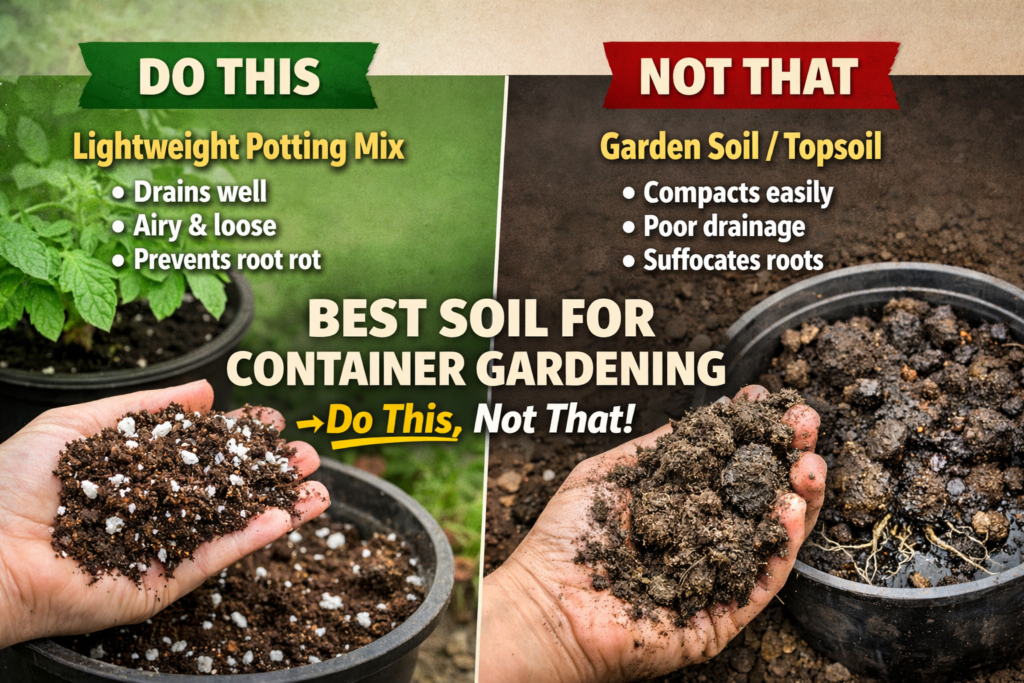
Best soil for container vegetable garden” and “potting mix vs garden soil.”
Never use garden soil from the yard in containers. It compacts, drains poorly, and suffocates roots.
Use a high-quality potting mix designed for containers.
Your potting mix should:
- Feel lightweight and fluffy
- Drain well but still hold some moisture
- Include compost or organic material
Optional upgrades (great for beginners):
- Perlite (improves drainage and airflow)
- Vermiculite (helps retain moisture in hot weather)
- Compost or worm castings (adds slow nutrition)
Now we’ll move on to the “make or break” factor: pot size.
Advanced Beginner Tips to Improve Container Gardening Success
Now that you understand the basics, let’s move into slightly deeper strategies that will significantly improve your results — especially if you want higher yields from small spaces.
1) Choose the Right Pot Size (Most Underrated Factor)
One of the biggest mistakes beginners make is choosing containers that are too small.
Small pots:
- Dry out fast
- Stunt root growth
- Reduce plant size and harvest
Here’s a quick reference:
| Plant | Minimum Container Size | Recommended Depth |
|---|---|---|
| Cherry Tomatoes | 5 gallons | 12–16 inches |
| Bell Peppers | 3–5 gallons | 12 inches |
| Cucumbers (bush type) | 5 gallons | 12 inches |
| Carrots | Deep narrow pot | 10–12 inches |
| Zucchini | 10 gallons | 12–16 inches |
Bigger containers:
- Hold moisture longer
- Allow stronger root development
- Produce higher yields
If you searched “best pot size for container tomatoes” — this is the key.
Companion Planting in Containers (Yes, It Works!)
Many beginner gardeners don’t realize you can grow compatible plants together in the same container.
Examples:
- Tomatoes + Basil
- Lettuce + Radishes
- Peppers + Onions
- Carrots + Chives
Benefits:
- Natural pest control
- Better use of space
- Improved flavor (especially tomato + basil)
Just make sure the plants share similar sunlight and water needs.
Now that we’ve covered pairing, we’ll move on to what to grow first.
Best Vegetables for Container Gardening (Beginner Friendly)
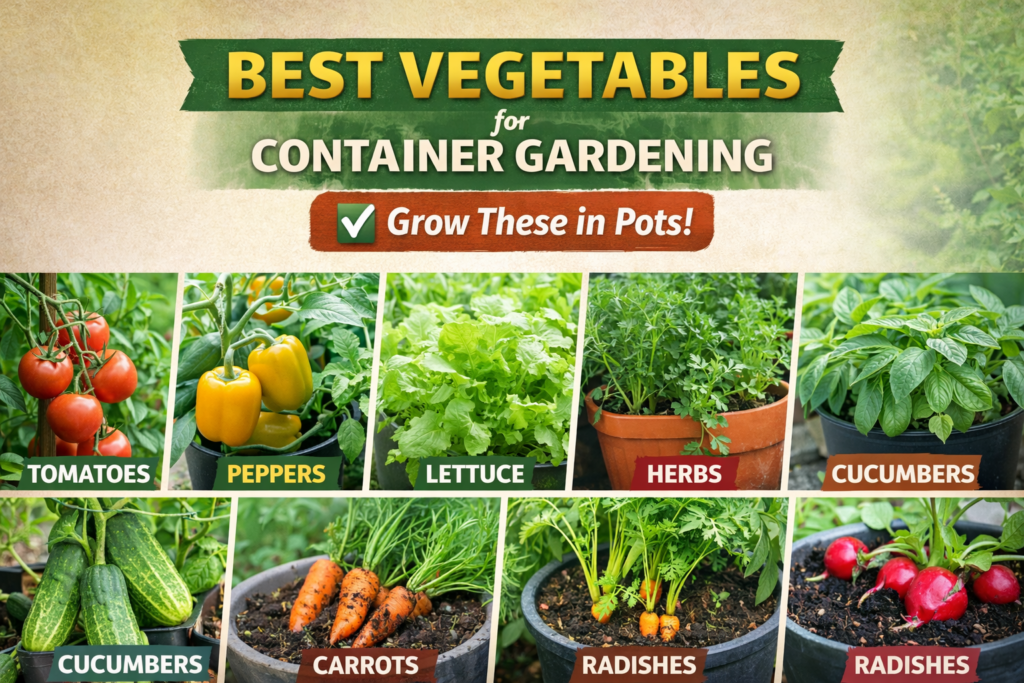
These plants perform very well in pots “easy vegetables to grow in pots for beginners.”
| Vegetable | Container Size | Sunlight | Beginner Difficulty |
|---|---|---|---|
| Tomatoes | 5–10 gallon | Full sun | Easy |
| Lettuce | 6–8 inches | Partial sun | Very Easy |
| Spinach | 6–8 inches | Partial sun | Very Easy |
| Peppers | 3–5 gallon | Full sun | Easy |
| Green Onions | Small pot | Partial sun | Very Easy |
| Radish | 6 inch deep | Full sun | Very Easy |
| Bush Beans | Medium pot | Full sun | Easy |
Beginner tip: Start with leafy greens + herbs, then move to tomatoes and peppers once you get watering right.
Best Herbs to Grow in Containers
Herbs are perfect for windowsills, patios, and balconies.
Beginner herbs:
Important: Mint should always be grown in a container, because it spreads aggressively and takes over garden beds.
Best Fruits to Grow in Containers
Beginners often think fruit trees are impossible in pots — not true.
| Fruit | Suitable for Pots? | Beginner Friendly? |
|---|---|---|
| Strawberries | Yes | Very Easy |
| Blueberries (dwarf variety) | Yes | Easy |
| Lemon Tree (patio variety) | Yes | Moderate |
| Fig Tree (dwarf) | Yes | Easy |
| Raspberry (compact variety) | Yes | Easy |
How Much Sun Do Container Plants Need?
Sunlight is another common concern: “how much sun do container plants need?”
- Full sun: 6–8 hours (tomatoes, peppers, beans)
- Partial sun: 4–6 hours (lettuce, spinach, some herbs)
- Low light: 2–4 hours (some greens, microgreens indoors)
Balcony direction tips:
- South-facing (best in cooler regions)
- West-facing (strong afternoon sun, can dry pots fast)
- North-facing (limited direct sun; choose shade-tolerant plants)
Now we’ll move on to watering, because watering mistakes are the #1 reason beginners feel container gardening is “hard.”
How Often Should You Water Container Plants?
Quick Answer: Most container plants need watering when the top 1 inch of soil feels dry.
General rule:
- Summer: daily or every 2 days
- Spring/Fall: 2–3 times per week
- Indoors: often once a week (but check soil)
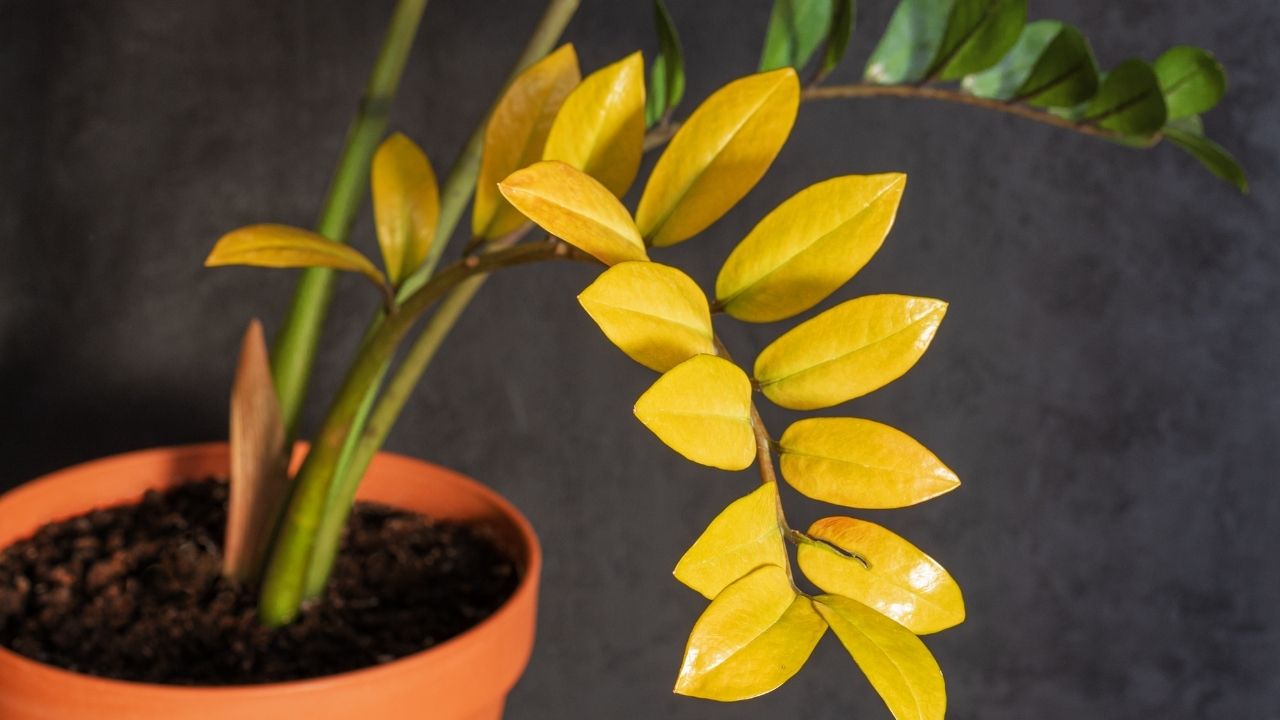
- Yellowing leaves
- Mushy stems
- Fungus gnats
- Sour smell from soil
- Wilting
- Dry soil pulling away from pot edges
- Crispy leaf tips
Watering Systems That Make Life Easier
If consistency is your struggle, consider:
- Self-watering pots
- Drip irrigation kits
- Watering globes
- Moisture meters
These tools prevent:
- Root rot
- Overwatering stress
- Dry soil swings
Beginner Container Gardening Setup (Step-by-Step)
Follow this simple method:
- Choose a container with drainage holes
- Add potting mix (don’t pack it too tight)
- Leave 1 inch space at top for watering
- Plant seeds or transplant seedlings
- Water gently until it drains out
- Place pot in correct sunlight
- Add mulch (optional) to slow evaporation
- Feed plants regularly
This is your basic routine. Once this feels easy, you can expand.
Fertilizing Container Plants (Simple Beginner Plan)
Containers lose nutrients faster than ground beds.
Use:
- Organic liquid fertilizer
- Compost tea
- Slow-release granules
Schedule:
- Leafy greens: every 2–3 weeks
- Fruiting plants (tomatoes/peppers): every 2 weeks
Beginner rule: underfeed slightly rather than overfeeding (overfeeding can burn roots).
Organic Container Gardening for Beginners
If you want safe, chemical-free produce:
- Use organic potting mix
- Avoid synthetic fertilizers
- Use neem oil or insecticidal soap for pests
- Add compost monthly
- Rotate crops seasonally
Organic container gardening is growing rapidly in:
- California
- British Columbia
- Sydney suburbs
- Greater London
Container Gardening for Cold Climates (USA Northern States, Canada, UK)
If you live in colder regions, container gardening offers a big advantage.
Because pots are movable, you can:
- Bring plants indoors during frost
- Move them into sunnier spots
- Extend growing season by 2–4 weeks
Tips for short seasons:
- Start seeds indoors 6–8 weeks early
- Use black containers (warm soil faster)
- Protect plants with frost cloth
- Place pots against a south-facing wall
Especially helpful in:
- New York
- Chicago
- Toronto
- Vancouver
- London
Indoor Container Gardening Basics
If you don’t have outdoor space, you can still grow food indoors.
Best indoor container plants:
- Microgreens
- Lettuce
- Herbs (basil, parsley)
- Green onions
- Dwarf chili peppers
Tips:
- Place near a bright south-facing window
- Use LED grow lights if sunlight is limited
- Avoid overwatering (indoor pots dry slower)
Container Gardening Yield Expectations (Realistic Overview)
Beginners often ask: “How much food can I grow in containers?”
Realistic expectations:
- 1 tomato plant = 10–20 lbs per season
- 1 lettuce pot = 3–5 harvests
- 1 strawberry pot = 15–25 berries per plant
- 1 herb container = weekly harvests
Start with 3–5 containers. Once you gain confidence, expand gradually.
Common Container Gardening Mistakes (Avoid These)
- Using heavy garden soil
- No drainage holes
- Pots too small
- Overcrowding plants
- Ignoring sunlight needs
- Watering on a schedule without checking soil
- Letting pots bake in extreme afternoon sun without protection
Cost to Start Container Gardening (Budget Table)
| Item | Estimated Cost (USD/GBP/CAD equivalent) |
|---|---|
| Basic pot or grow bag | $5–$15 |
| Potting mix | $10–$25 |
| Seeds | $2–$5 |
| Seedlings | $3–$8 |
| Fertilizer | $8–$20 |
You can start with under $50 and grow it over time.
FAQ: Container Gardening for Beginners
What is the easiest plant to grow in a container?
Lettuce, mint, green onions, and radishes are the easiest for beginners.
Can you grow vegetables in containers successfully?
Yes. Tomatoes, peppers, beans, lettuce, spinach, and herbs grow very well in containers.
Do containers need drainage holes?
Yes. Drainage holes prevent root rot and fungal problems.
How deep should a container be for vegetables?
Most vegetables need 6–12 inches of depth. Root crops like carrots need deeper containers.
How do I stop pests naturally in container plants?
Use neem oil spray, good airflow, companion planting, and avoid overwatering.
Final Beginner Mindset Advice
Container gardening is about control, simplicity, and learning through observation.
You don’t need:
- Fancy tools
- A large backyard
- Expensive raised beds
You only need:
- Sunlight
- Good soil
- Proper drainage
- Consistent watering
Start small. Improve each season. And most importantly — enjoy the process.

I am an enthusiast who loves plants very much and I do a lot of research online as well as outside in gardens and nurseries. I also strive to be as accurate as possible in my research and my articles. I have been involved in gardening for a long time and truly enjoy it. Know more about me About. You can also join me Here.