
In this blog post, we’ll discuss how to add potassium to plants and why potassium is so important in soil, share tips on adding it when necessary- read on for some expert advice!

When it comes to planting, potassium is a crucial nutrient. Without this vital nutrient, your plants cannot take in other nutrients or maintain a healthy growth rate and lush foliage.
So, how to add potassium to the soil so the plant root system can absorb it?
In this blog post, we’ll go over introducing more potassium into your garden soil – without damaging roots or causing too much imbalance in the existing nutrient levels.
From using organic materials such as compost and animal manure to exploring inventive fertilizer solutions with chemical compounds, let’s talk about how to add potassium to plants today!
What Causes Potassium Deficiency in Plants?
Several things can cause potassium deficiency in plants, but the most common cause is a lack of potassium in the soil.
Without potassium, plants can’t produce the enzymes they need to convert carbohydrates into energy, and they will eventually die.
Other causes of potassium deficiency in soil include:
1. Overwatering
Potassium helps regulate water uptake and movement, as well as photosynthesis. A potassium deficiency in plants can be caused by overwatering, which can leach the potassium from the soil.
Other causes of potassium deficiencies in plants include high pH levels, sandy soils, and cold weather.
2. Poor Soil Drainage
Potassium deficiency in plants is most commonly caused by poor soil drainage.
When waterlogged soils prevent potassium ions from flowing freely through the soil, the plants cannot take up these ions and become potassium deficient.
Other causes of potassium deficiency can include extreme temperatures, drought, and excessive use of nitrogen fertilizer.
Symptoms of Potassium Deficiency In Soil
A. Physical Signs of Potassium Deficiency in Plants
Potassium is a very important chemical for plants. It helps them make food, make proteins, and control how much water they take in.
When the earth doesn’t have enough potassium, plants can’t grow, stay healthy, or make as much food. Below are the very first lacking signs of potassium.
1. Leaves that turn yellow or brown
When a plant doesn’t get enough potassium, the leaves often change color. The edges could turn yellow or brown, and in the end, they could die.
2. Scorch a Leaf
Plants that don’t get enough potassium may show signs of leaf scorch, in which the tips of the leaves look burned. Usually, this starts at the ends and tips of older leaves.
3. Weak Stems and Roots
Potassium helps improve plant tissue, so a lack of it can cause stems and roots to be weak or not grow as well as they should. The plants might look short or not be able to stand up straight.
B. What happens to fruits and flowers?
1. Poor Flower and Fruit Development
If there isn’t enough potassium, fruits, and flowers might not grow as well as they should. Some fruits are small, imperfect, or don’t have much color or flavor.
There may be fewer flowers and they may not open fully.
2. Less food from crops
When it comes to food crops, a lack of potassium can cause the output to go down. There may be less food from crops, and the food may not be as good.
How To Do Soil Testing for Potassium?
Soil testing for potassium is a crucial step in determining the potassium levels in your soil and identifying the appropriate amendments needed for optimal plant growth.
By assessing the soil’s nutrient composition, gardeners and farmers can make informed decisions about the type and amount of potassium fertilizer to apply.
1. Professional Soil Tests
Good soil health is essential for any garden or field, and assessing the potassium levels of your soil is an important part of this.
Fortunately, professional soil testing labs have made accurately measuring the potassium content — and other essential nutrients found in soil like (calcium, iron, phosphorus, and nitrogen) — easier than ever before.
Collect samples around your plot using the lab’s instructions, then send a representative amount for analysis.
In no time at all, you’ll have detailed results on your hands and any necessary amendments for improving the quality of your soil.
So with just a little effort and testing, you can take charge of your crop’s nutrition and make sure it’s in perfect condition!
2. DIY Soil Test Kits
Consider DIY soil test kits if you are looking for an efficient, money-saving solution to check your soil’s potassium levels.
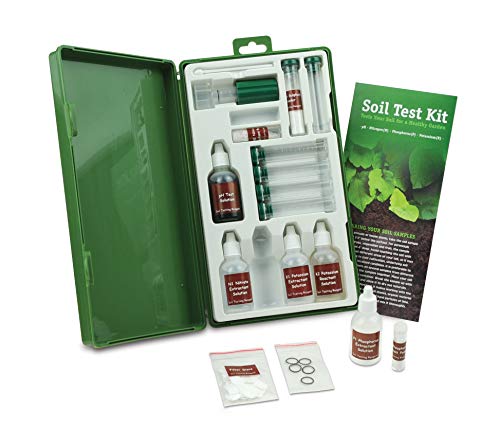
Easily available at gardening shops and online stores, these kits present instructions on collecting and analyzing soil samples in no time.
Since the results may not be as exact as professional lab analysis, they still provide a good idea of the nutrient Values in your soil so you can quickly decide what amendments are needed.
Saving you time, effort, and money from running to a lab or hiring someone to get the job done, DIY soil test kits offer an ideal way to handle your garden’s health in the comfort of your home.
3. Evaluating Test Results
Knowing the amount of potassium in your soil is important for a productive garden. Evaluating the potassium level enables you to understand what type and how much fertilizer your soil needs, if any.
They typically measure potassium levels in parts per million (ppm) or as a percentage of a soil’s cation exchange capacity (CEC).
To ensure you understand your soil type and crop needs, it’s best to connect with your local agricultural extension office for help.
Knowing this essential piece about your soil chemistry allows you to take steps toward successful gardening.
4. Determining The Appropriate Amount Of Potassium Needed
Calculating how much potassium needs to be added to your soil could feel daunting; however, considering the type of plants you want to grow and the soil’s structure can be fairly straightforward.
Plants have different levels of potassium requirements, and clay holds onto the nutrient better than sand.
To ensure a precise calculation, reference fertilizer guides or local agricultural extension services for recommendations tailored to your needs.
With careful consideration, you can successfully meet the potassium requirements of your soil and reap the benefits of colorful blooms and healthy foliage for years to come!
Organic Sources Of Potassium
In this section, we will explore organic sources of potassium, which offer a natural and environmentally friendly way to enrich your soil with this essential nutrient.
Organic potassium sources provide potassium to your plants and help improve soil structure, promote beneficial microbial activity, and support overall soil health.
1. Compost
Compost is a fantastic source of natural potassium for gardeners and sustainable food enthusiasts.
Not only does it provide the necessary nutrients for plants, but it also helps to improve soil structure and increase water retention – two coveted benefits in any garden plot.
To make compost, start with a designated area or bin and layer different organic materials such as leaves, straw, grass clippings, and kitchen scraps.
Once your pile has reached the desired size, turn it regularly and allow it at least 3-6 months to decompose properly before applying it to your soil.
By following this simple process, you can help retain these all-important nutrients.
It also creates an ideal habitat encouraging beneficial microorganisms that contribute to a much more diverse ecosystem within your garden.
2. Wood Ash
Wood ash provides a unique, organic source of essential nutrients for plants.
At approximately 3-7% potassium, it enjoys a much higher concentration than most other organic sources, including compost and manures.
As if that weren’t enough, wood ash also contains important trace elements like calcium and magnesium.
Unfortunately, wood ash is not without its drawbacks; the pH of wood ash is surprisingly high, making it alkaline.
This alkalinity can be great for acidic soils but may cause issues in already alkaline ones. Still, the judicious application of this useful material could benefit your garden’s soil ecosystem.
Cool it fully before applying 10-15 pounds for 1000 square feet into the top few inches of soil and away from direct contact with plant roots.
3. Green Manure And Cover Crops
Cover crops, often called green manure, are incredibly beneficial for soil health and fertility. These versatile plants can provide much-needed nutrients like nitrogen and potassium.
Legumes like alfalfa, clover, and vetch can help boost potassium levels.
To get the full benefit of these plants, they must be incorporated into the soil after cutting them down during peak growth.
This enriches the soil with potent nutrients that will help fortify the subsequent crop.
Green manures are an excellent way to ensure your soil remains healthy and vibrant for more effective yields.
Inorganic Sources Of Potassium
In this section, we will explore various inorganic sources of potassium, which are often used to quickly address potassium deficiencies in the soil.
These synthetic fertilizers provide a concentrated and readily available source of potassium, ensuring that plants can access the nutrients they need for optimal growth.
1. Potassium Sulfate
Potassium sulfate, commonly called sulfate of potash, is an inorganic fertilizer packed with a 50% dose of potassium to help your plants flourish.
Not only that, but the sulfate of potash also contains sulfur, a beneficial nutrient for many plants.
A bonus is that this fertilizer doesn’t contain chloride, making it the perfect choice for crops requiring protective measures from certain elements.
Of course, it does come with a higher price tag than other inorganic potassium fertilizers, but when used correctly, you can get double the bang for your buck!
Following your soil test recommendations and properly redistributing potassium sulfate into your soil will provide maximum effectiveness without risking an overload on any nutrient.
If you can’t go wrong and want to give your plants the nutrients they need to feed and grow, try potassium sulfate!
2. Muriate Of Potash
Muriate of potash is one of the most popular inorganic potassium fertilizers and a potential solution to many issues gardeners face.
High in potassium at 60%, this fertilizer is especially concentrated, providing an effective dose at a reasonable cost.
However, due to its chloride content, it should be used with caution – those whose plants are sensitive or vulnerable must heed the manufacturer’s warning when applying it.
Those wishing to reap the benefits of muriate of potash should spread the powder evenly over their soil surface and work it into otherwise healthy earth to ensure the best results without harming their beloved plants and crops.
3. Potassium Nitrate
Potassium nitrate is an ideal fertilizer for gardens needing a dual-nutrient boost.
Beyond potassium, potassium nitrate also supplies nitrogen – an essential macronutrient that helps plants bring home the harvest!
This combination of nutrients helps ensure your plants have long, healthy lives and provide plentiful yields.
Of course, it comes with a cost – as potassium nitrate is more expensive than other inorganic potassium fertilizers, you must carefully follow the soil test recommendations to avoid over-application or nutrient imbalances.
However, when applied correctly on the soil surface before cultivation, you’ll be rewarded with bountiful harvests thanks to this powerful fertilizer!
4. Potassium Magnesium Sulfate
Potassium magnesium sulfate is an inorganic fertilizer that provides plants with potassium and the much-needed secondary nutrients magnesium and sulfur.
It can be an optimal choice for soils requiring more than instant potassium, ensuring the proper levels of these three elements are combined.
While pricier than other potassium sources, it does provide a balanced nutrient supply for plants.
To utilize K-Mag, your best bet is to follow soil test results for advice on dosage, evenly spread it out when applying, and incorporate it into the soil.
Furthermore, to ensure the overall health of your soil and your plants, you must frequently monitor the soil’s potassium, magnesium, and sulfur levels.
The Effects Of Potassium On Plants
If you’re a plant, there’s one mineral that you need to pay attention to – potassium. Without it, your leaves may turn yellow, and you may eventually die.
1. Quick Growth
Potassium is a nutrient that hastens the growth process and assists in forming flowers and fruits. Potassium is essential for producing enzymes, proteins, and chlorophyll in plants.
2. Better Water Utilization
When it comes to the development and flowering of plants, potassium is considered one of the essential macronutrients. It contributes to greater water utilization, enhancing plant development and increasing yields.
Potassium also strengthens plant defenses against pests and diseases. Hence, ensuring an adequate supply of potassium in the soil for healthy plants.
3. Improved Tolerance
Plants are more susceptible to pests, diseases, and drought when potassium is deficient. Adding potassium to the soil can help improve a plant’s overall health and resistance to these stresses.
4. Drought Resistance
Potassium is necessary for the plant to take up water from the soil and helps keep the leaves hydrated.
When a plant is short on potassium, it is more susceptible to drought damage. Adding potassium to the soil can help improve drought resistance in plants.
5. Pest And Disease Resistance
Potassium is a crucial nutrient for plants, as it helps them become more resistant to disease and maintain their overall health.
It also aids in the uptake of other nutrients, helps regulate water balance, and plays a role in photosynthesis.
6. Greater Yields
Potassium is a nutrient necessary for plant growth and contributes to increased harvests.
It is necessary to open and close the stomata, microscopic pores on the underside of the leaves that let carbon dioxide in and allow water vapor to escape. Potassium also helps to move nutrients within the plant and strengthens the plant’s cell walls.
How Long Does a Potassium-Deficit Plant Take to Recover?
A potassium-deficient plant will take longer to recover than a plant deficient in other nutrients.
Potassium is involved in many vital plant processes, including water regulation, photosynthesis, and disease resistance.
Potassium-deficient plants will often recover slowly, even after being given supplemental potassium. This is because it can take time for the plant to restore its internal potassium levels and re-establish normal function.
A severe lack of potassium can be fatal in some plants, especially in extreme circumstances. However, with the right kind of care and attention, the vast majority of plants that are potassium deficient may be returned to health.
how to add potassium to plants FAQs
This Frequently Asked Questions (FAQs) section addresses common queries and concerns about adding potassium to the soil.
These FAQs aim to provide further clarity and guidance, helping you make informed decisions about using potassium fertilizers and managing your soil’s nutrient levels for optimal plant growth and health.
Q: What Are The Signs Of Potassium Deficiency In Plants?
Common signs of potassium deficiency include yellowing or browning of leaf margins, curling or wilting of leaves, reduced growth, and susceptibility to diseases and pests.
Q: Can Too Much Potassium Be Harmful To Plants?
Yes, excessive potassium can lead to nutrient imbalances, reducing the availability of other essential nutrients, such as calcium and magnesium, and potentially harming plants.
Q: How Often Should I Test My Soil For Potassium Levels?
It is recommended to test your soil every 2-3 years or when you observe signs of nutrient deficiency or plant imbalance.
Our Final Thoughts
Adding potassium to soil is an important component in any successful gardening project.
While it may seem like a complex procedure, taking the time to understand how to add potassium and apply it to your soil will result in robust and healthy plants.
It’s also important to remember that adding too much potassium can be detrimental, so care must be taken to ensure that only the recommended amounts are applied.
Whether you want a garden full of colorful flowers or productive vegetable plants, using potassium can help ensure that your outdoor gardening endeavors produce the most pleasing results possible.
So take the time to learn more about adding this essential element correctly and gain satisfaction in watching your plants thrive!

I am an enthusiast who loves plants very much and I do a lot of research online as well as outside in gardens and nurseries. I also strive to be as accurate as possible in my research and my articles. I have been involved in gardening for a long time and truly enjoy it. Know more about me About. You can also join me Here.